
Notre-Dame : le mensonge sur le respect de la lumière de Viollet-le-Duc
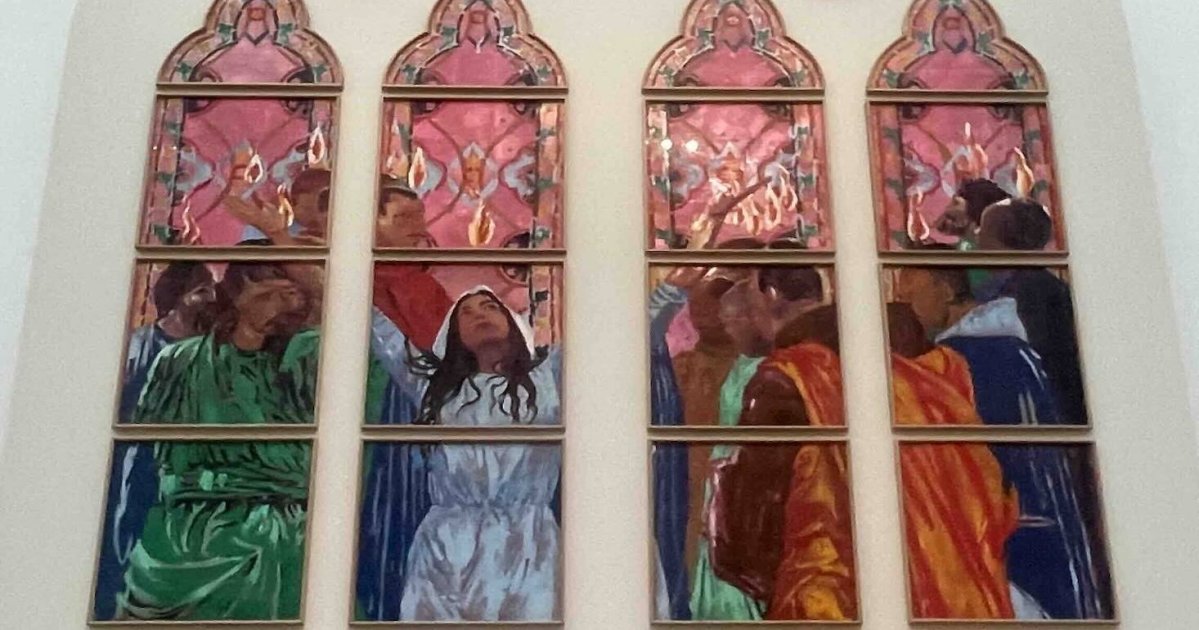
The article criticizes the planned replacement of the stained-glass windows in Notre-Dame Cathedral, designed by Claire Tabouret, arguing that the public establishment behind the project has made false claims about respecting the original light and colors of Eugène Viollet-le-Duc's 19th-century windows. The author compares the existing and proposed windows baie by baie, asserting that the new designs do not match the chromatic balance or light quality, and calls the official justification a lie. It also highlights two additional alleged falsehoods: that the law for Notre-Dame's restoration deliberately omitted the Venice Charter (when the culture minister said it was unnecessary because the charter was already binding), and that the National Commission for Heritage and Architecture had approved the window replacement (which the author claims is contradicted by the commission's own minutes and multiple members).
This matters because it exposes a contentious debate over the restoration of one of France's most iconic monuments, pitting contemporary artistic intervention against historical preservation principles. The outcome of the administrative tribunal's review could set a precedent for how heritage sites balance modern additions with fidelity to original designs, especially in cases involving national treasures. The article also raises questions about transparency and truthfulness in official communications regarding major cultural projects, potentially influencing public trust in heritage institutions.