
Célébrée dans les années 1970, l’artiste américaine Nancy Graves retrouve la lumière chez Ceysson & Bénétière
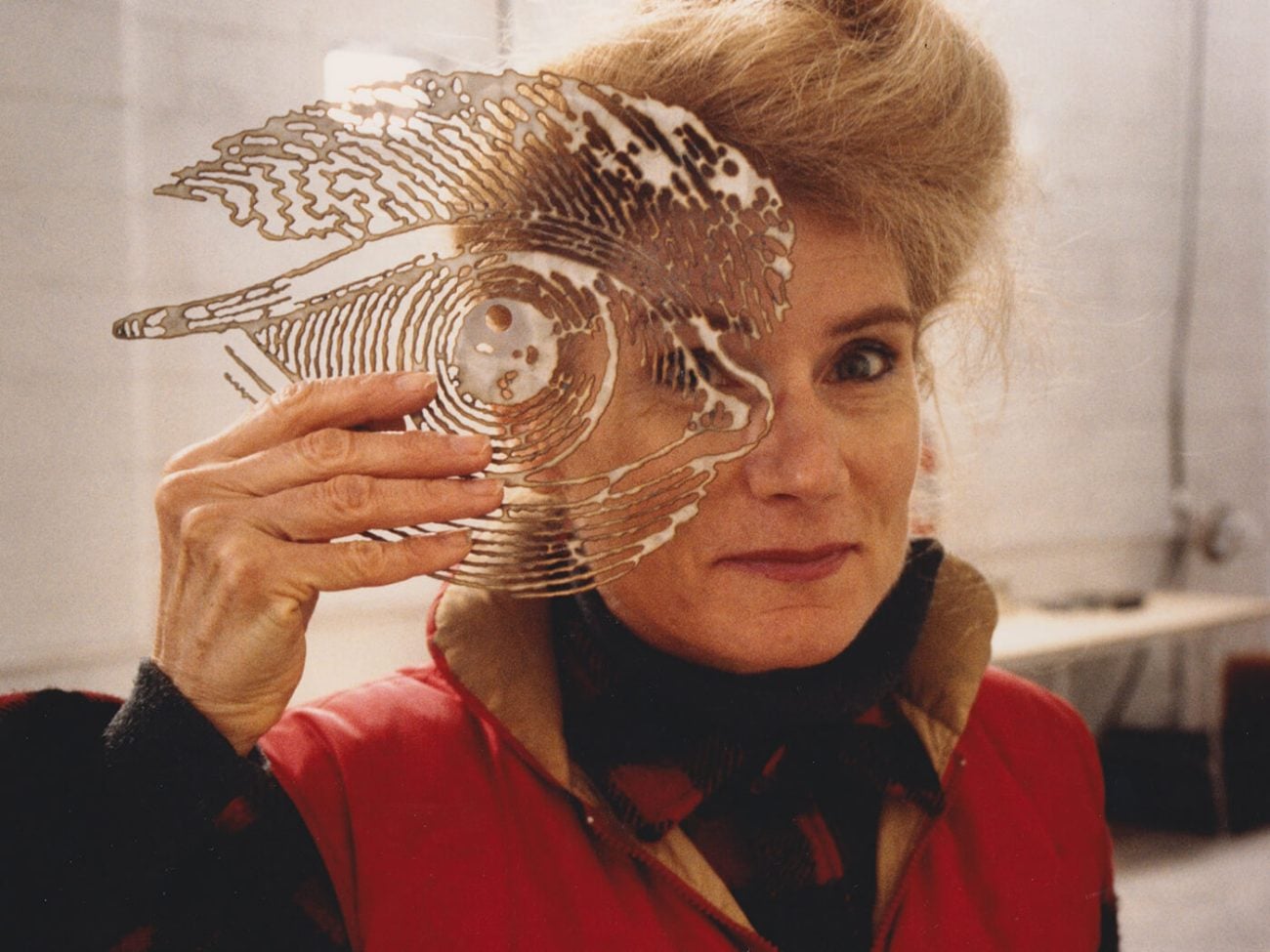
Beaux Arts Magazine reports on a resurgence of interest in American artist Nancy Graves (1939–1995), highlighted by a new exhibition at Ceysson & Bénétière. Graves, who worked across painting, sculpture, film, and stage design, was a rising star in the 1970s—exhibiting at MoMA and the National Gallery of Art, and becoming the youngest artist to have a solo show at the Whitney Museum of American Art at age 29. The article traces her career from studying literature at Vassar and art at Yale, to her brief marriage to sculptor Richard Serra, and her pioneering use of NASA satellite imagery and natural history themes in works like her life-size camel sculptures.
This revival matters because Graves’s multidisciplinary practice—blending abstraction, collage, and scientific imagery—anticipated many contemporary art trends, yet she has been largely overlooked since her death in 1995. The exhibition at Ceysson & Bénétière reintroduces her to a new generation, underscoring how her work challenges the boundaries between art, science, and history. Her story also highlights the ongoing effort to recover the legacies of women artists who were prominent in the 1970s but later marginalized in art-historical narratives.