
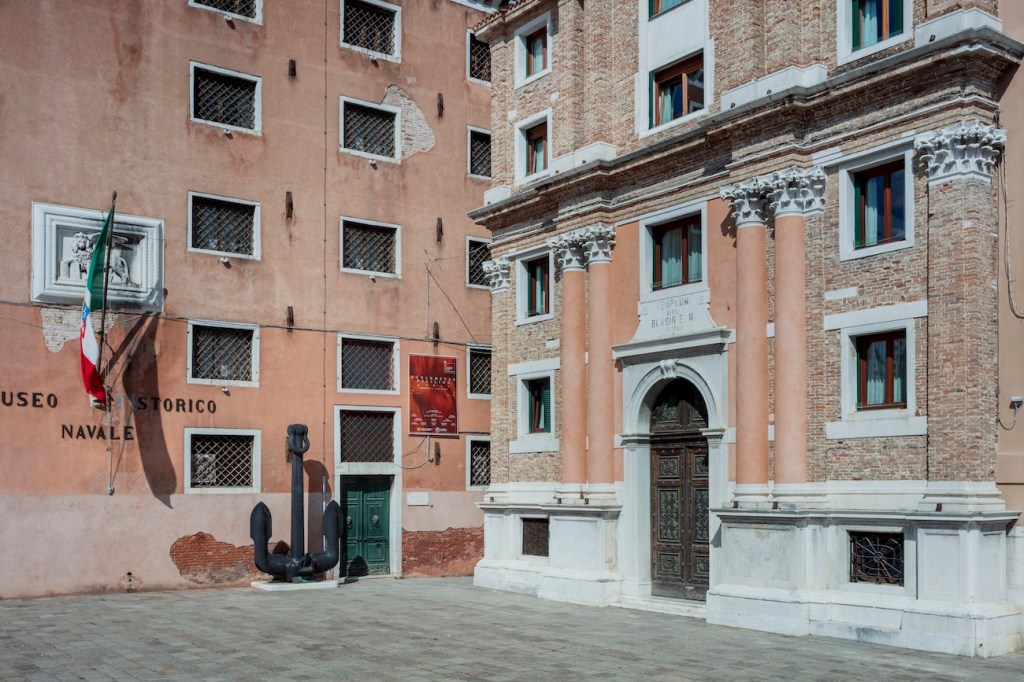
Controversy has erupted at the Kazakhstan pavilion of the Venice Biennale after artist Äsel Kadyrhanova's multimedia installation *Machine* (2013), which addresses Stalin-era repression in Kazakhstan, was dismantled before the exhibition opened. An open letter published on e-flux, signed by prominent Kazakhstani art community members, alleges the work was removed on May 5 on orders from the nation's Ministry of Culture or pavilion organizers. The pavilion's curator, Syrlybek Bekbota, claims he personally made the decision to dismantle the work after negotiations with the artist failed, citing contractual restrictions from the venue, the Museo Storico Navale di Venezia, which prohibits "political, ideological," or "propagandistic" content. The venue's management company, D'Uva, denies any role in the removal, while the project's co-commissioner, Danagul Tolepbay, disputes the accuracy of the open letter's claims.
This incident matters because it highlights ongoing tensions between artistic freedom and state or institutional censorship at one of the world's most prestigious art events, the Venice Biennale. The dispute reveals fractures within Kazakhstan's art community and raises questions about the autonomy of national pavilions when hosting institutions impose content restrictions. It also underscores the precarious position of artists addressing politically sensitive historical topics in authoritarian or diplomatically cautious contexts, potentially setting a precedent for how similar conflicts are handled at future biennials.