
De retour sur ses terres après 375 ans, la Vénus d’Arles magnétise les artistes dans une expo inédite
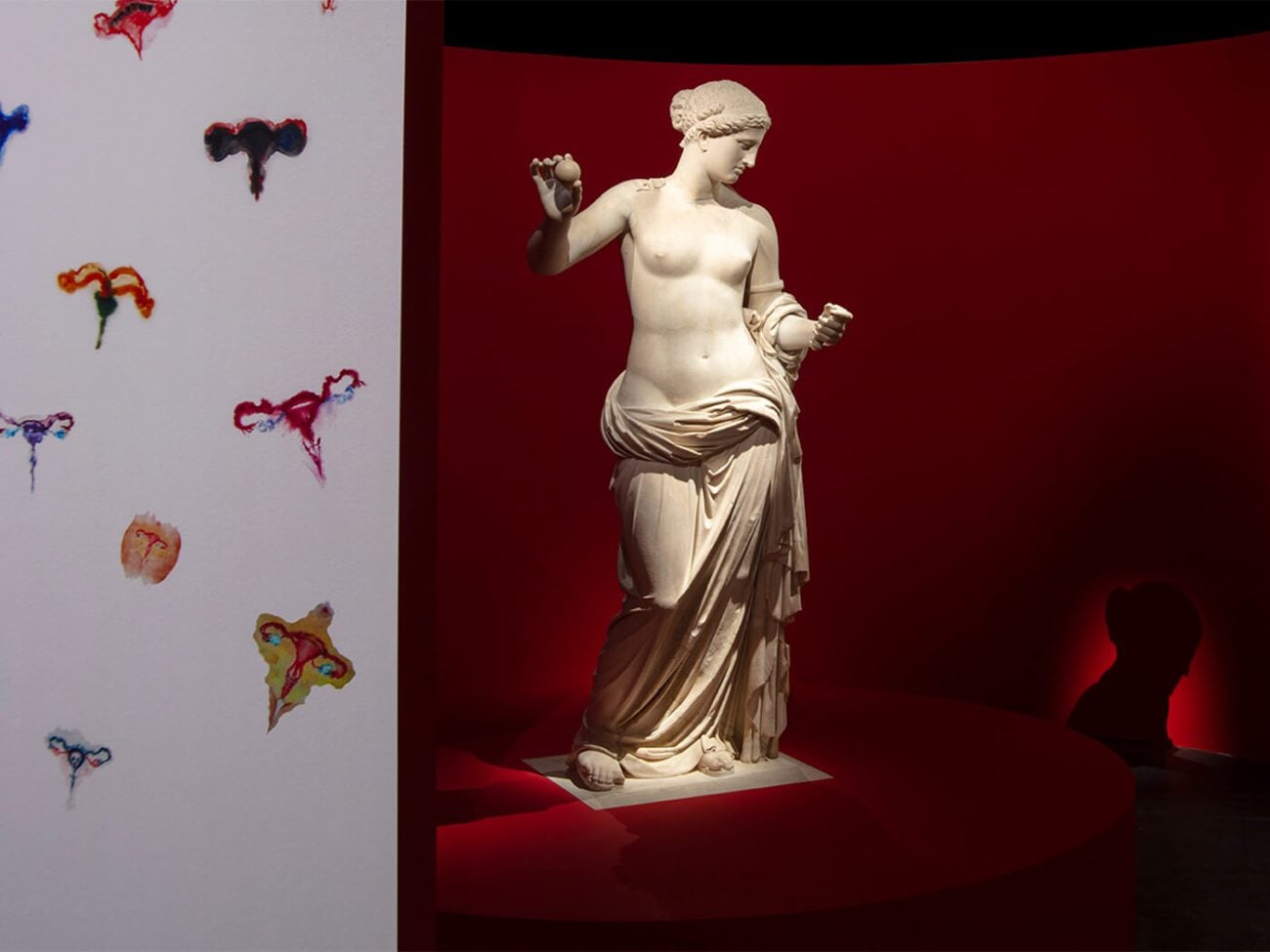
The Venus of Arles, a Roman statue from the 1st century BCE and a copy of a work attributed to the Greek sculptor Praxiteles, has returned to Arles after 375 years for a temporary exhibition titled "Le Passage de Vénus" at the Musée Départemental Arles Antique. Discovered in 1651 in the ancient theater of Arles, the statue was gifted to Louis XIV, restored by François Girardon, and later displayed at the Louvre. The exhibition, co-curated by Ludovic Laugier and Romy Wyche, presents the goddess's journey from her mythical birth to her triumph, featuring eight thematic sections that blend ancient sculptures with works by 16 modern and contemporary artists, including Niki de Saint Phalle, Annette Messager, and Man Ray.
This exhibition matters because it recontextualizes a canonical ancient artwork through a contemporary lens, exploring themes of female power, desire, and emancipation. By juxtaposing classical sculptures with modern interpretations—such as Chantal Akerman's video and Bianca Bondi's installation—the show demonstrates how the Venus figure remains a potent symbol for ongoing cultural and feminist discourse. It also highlights the Louvre's collaboration with regional museums, making a major piece from its collection accessible outside Paris and fostering dialogue between historical and contemporary art.