
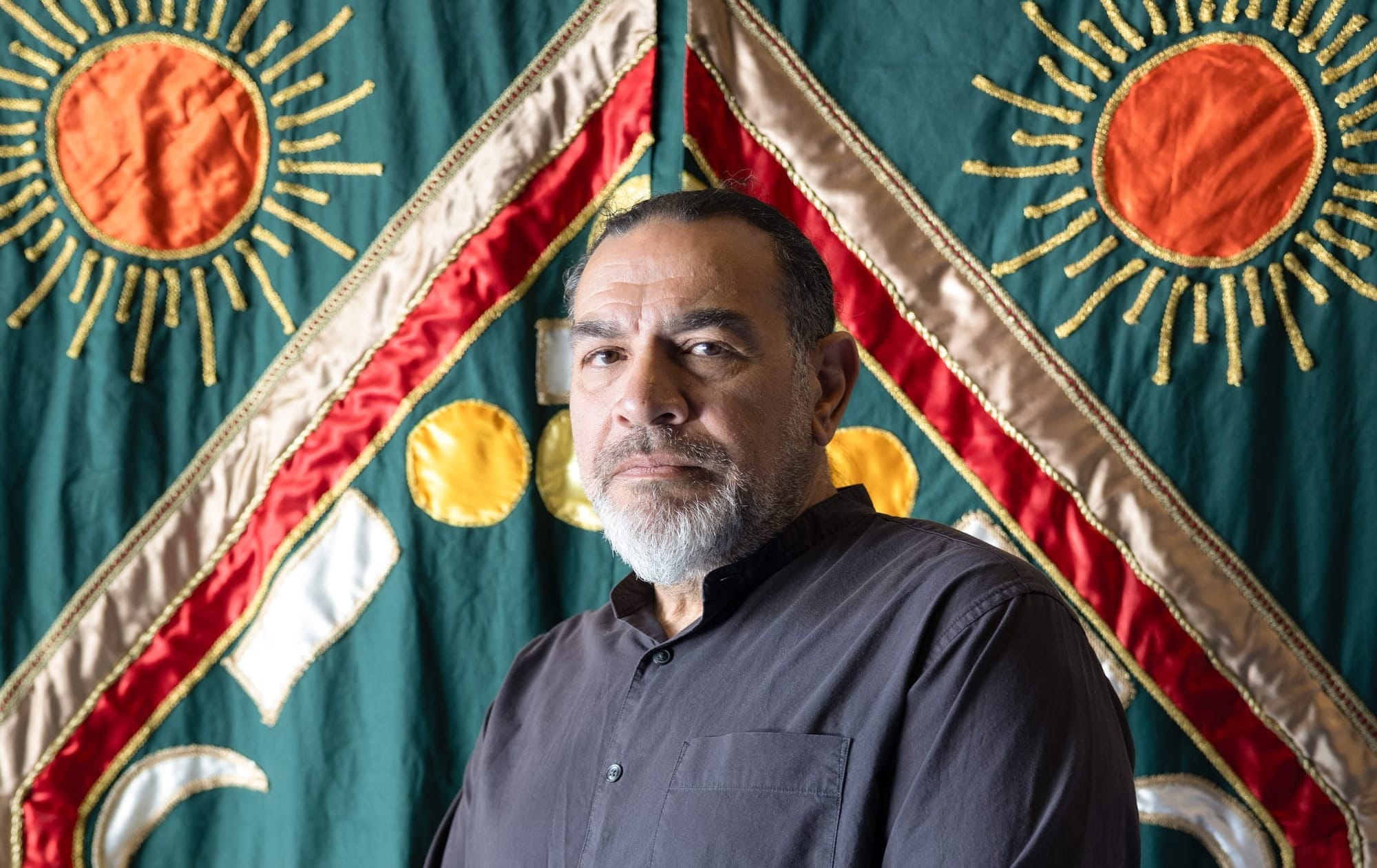
Lebanese-born, Sydney-based artist Khaled Sabsabi was selected to represent Australia at the 2026 Venice Biennale by Creative Australia, but the government intervened within a week, citing a 2007 video containing a blurred image of a former Hezbollah leader as evidence of alleged terrorism support and antisemitism. After Koyo Kouoh, curator of the biennale's main exhibition "In Minor Keys," invited Sabsabi to participate, and following public outcry and an independent review, Sabsabi was reinstated to the Australian pavilion. His two installations—"khalil" at the Arsenale and "conference of one's self" at the Australia pavilion—use painting, sound, and moving image to explore identity and collectivity, drawing on his migration from Lebanon in 1976, his earlier career as hip-hop artist "Peacefender," and Sufi teachings.
This controversy matters because it highlights the ongoing tension between government oversight and artistic freedom in national pavilions at major international exhibitions like the Venice Biennale. Sabsabi's reinstatement, facilitated by the biennale curator and arts community pressure, underscores the art world's resistance to political censorship and the power of collective action. His work, which centers on themes of shared humanity and the self as a collective, directly responds to the political and personal struggles he has faced, making the pavilion a site of both artistic and political significance.