
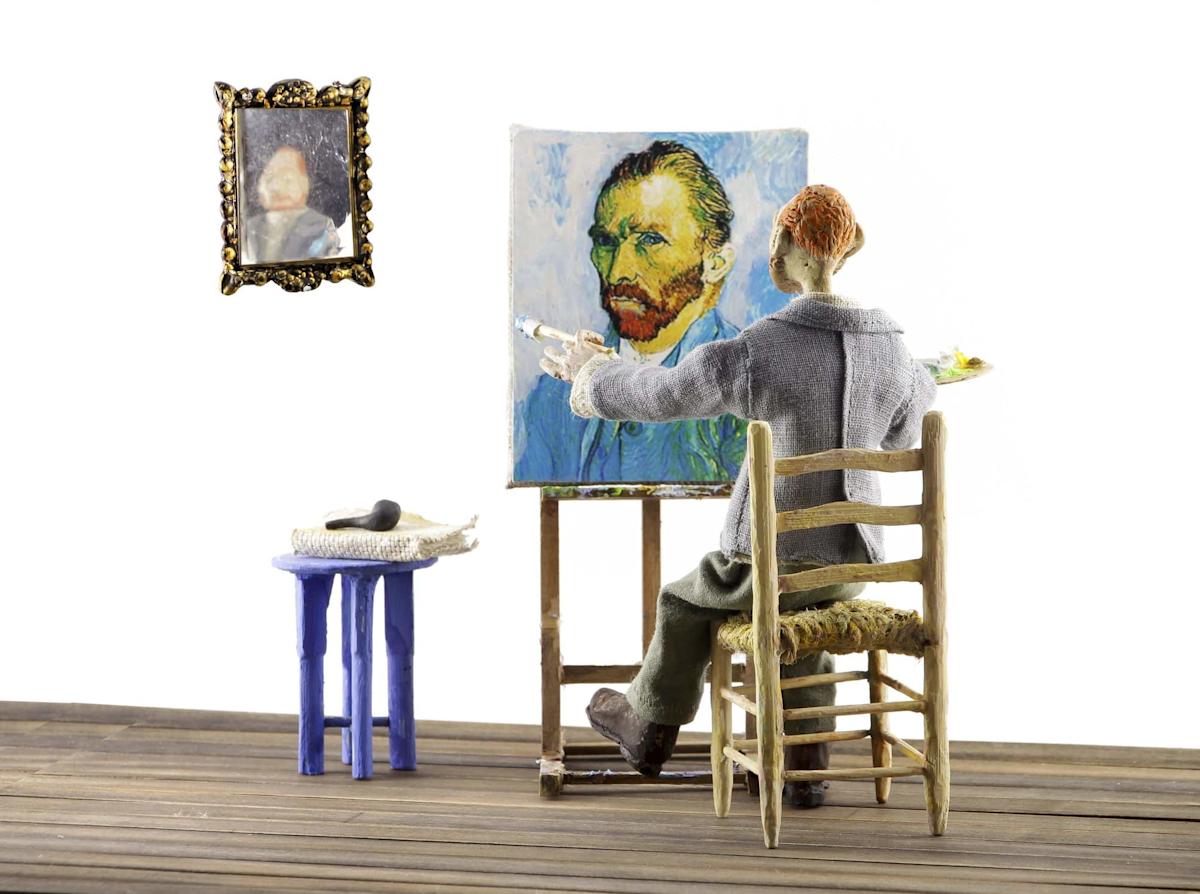
On March 15, 1901, the Bernheim-Jeune gallery in Paris opened the first major retrospective exhibition of Vincent van Gogh's work, featuring 71 paintings. Organized by gallery owners Joseph and Gaston Bernheim-Jeune, the exhibition marked a pivotal turning point in Van Gogh's posthumous recognition, transforming him from an obscure artist who sold only one painting in his lifetime into a globally celebrated master. The article details Van Gogh's life and career, from his early dark works like 'The Potato Eaters' to his vibrant Post-Impressionist period in Arles, where he painted masterpieces like his 'Bedroom' series and 'Sunflowers'. It notes his struggles with mental health, his death in 1890, and emphasizes that the 1901 retrospective was the crucial event that cemented his fame, long after the gallery itself closed in 2019.