
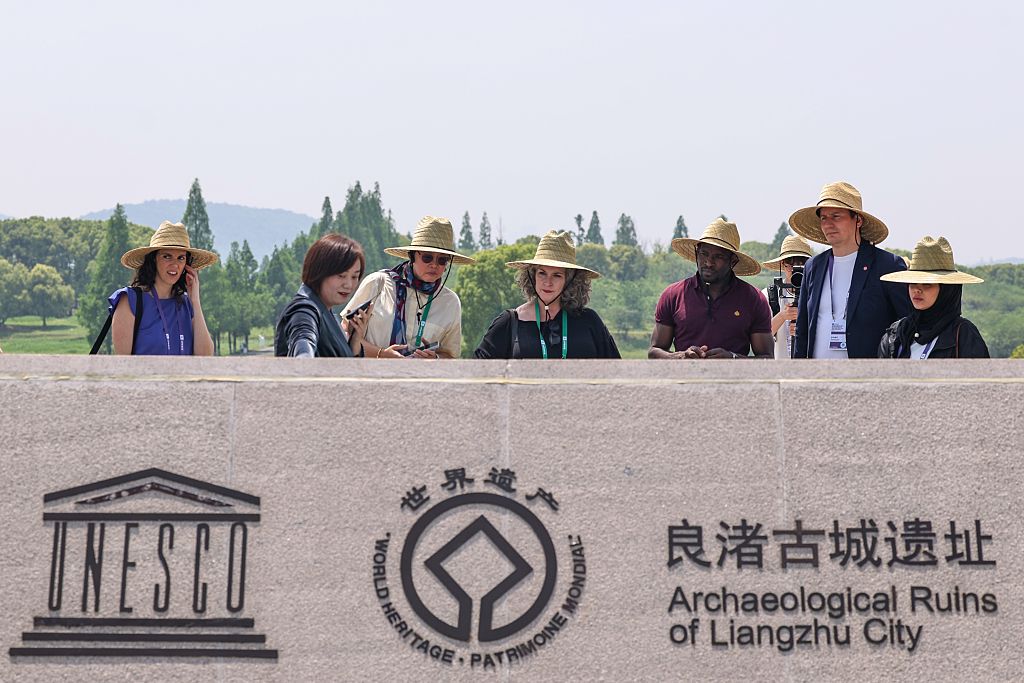
Chinese archaeologist Liu Bin, renowned for his work at the Liangzhu ancient city site, pleaded guilty on May 20 to charges of taking bribes and embezzling research funds. The trial at Suichang County People’s Court in Zhejiang Province revealed he accepted over 4.65 million yuan ($690,000) in bribes and embezzled 300,000 yuan ($45,000) from a Liangzhu-related research project, with payments linked to approvals for cultural relic protection and archaeological projects. Liu was detained in December 2025 and arrested in February; no penalty has been announced.
Liu Bin’s fall from grace matters because he was a pivotal figure in Chinese archaeology, leading excavations at Liangzhu—a UNESCO World Heritage site that China cites as evidence of one of the earliest urban civilizations. His conviction highlights corruption risks in China’s heritage management system, where officials can exploit approval powers for personal gain. The case also raises questions about the integrity of archaeological research funding and the oversight of cultural relic projects, potentially affecting public trust in China’s archaeological institutions.