
Was sich hinter der Maske verbirgt
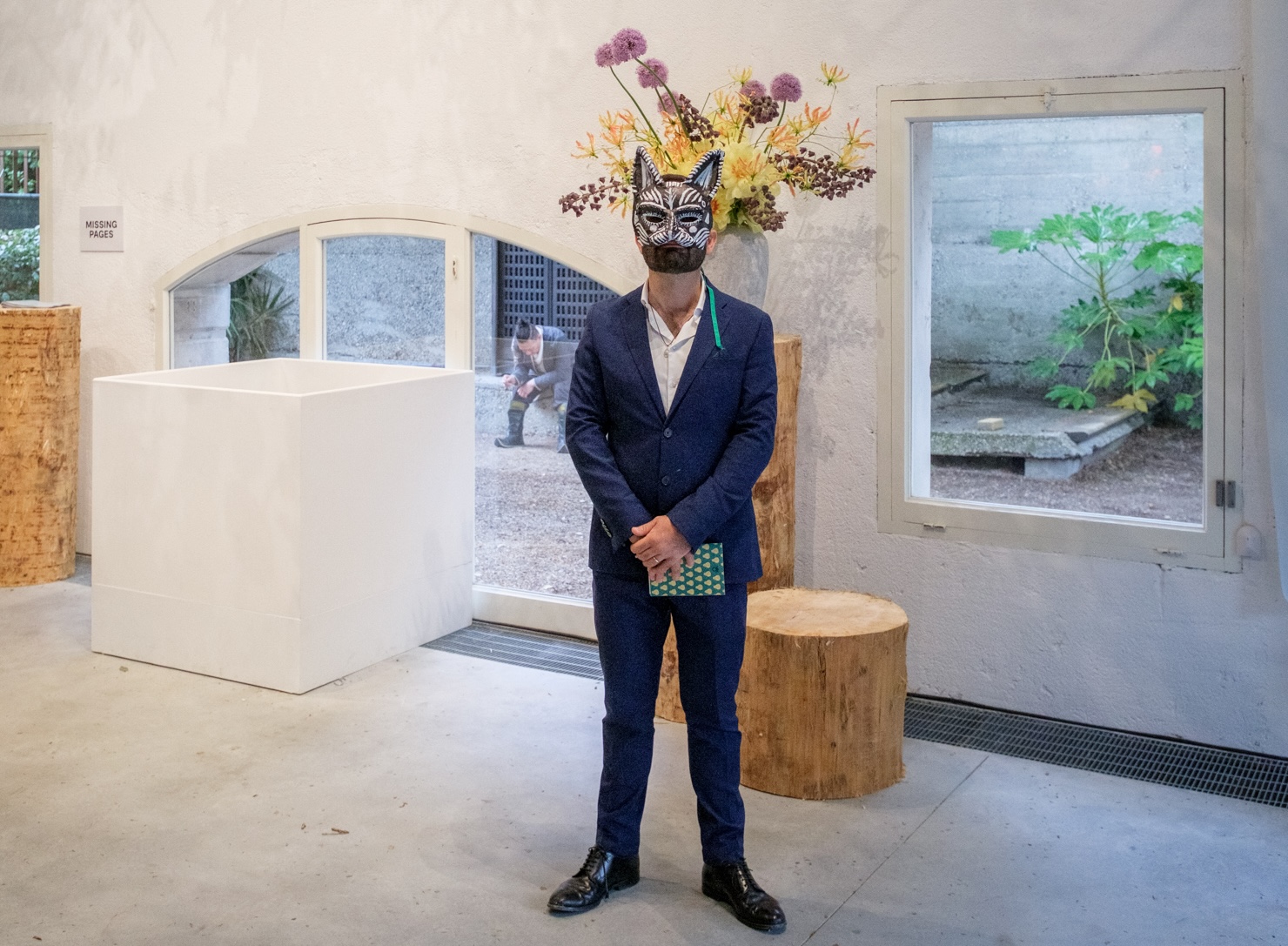
The article examines the Russian Pavilion at the 61st Venice Biennale, curated by a new generation of Kremlin-aligned cultural elites. It details how the pavilion, overseen by commissioner Anastassija Kornejewa (daughter of a secret service general and business partner of Foreign Minister Sergey Lawrow's daughter), presents a curated version of contemporary Russian culture. The exhibition features a polyphonic program of musicians from Russia, Argentina, Brazil, Mali, and Mexico, framed by a tree and fresh flowers, and employs postcolonial and decolonial rhetoric to position Russia as a spiritual civilization opposing a supposedly decadent West.
This matters because the pavilion's strategic adoption of Western academic discourse—such as polyphony, relational aesthetics, and anti-colonialism—serves to legitimize Russia's official political narrative under Putin's 'multipolar' world order. The article reveals how state-aligned patronage enables cultural visibility while enforcing political boundaries, and contrasts this official presentation with the protest art of Pussy Riot, highlighting the tension between state-sponsored culture and dissident voices. It underscores the Biennale as a geopolitical stage where soft power and cultural diplomacy are wielded to shape international perceptions of Russia.