
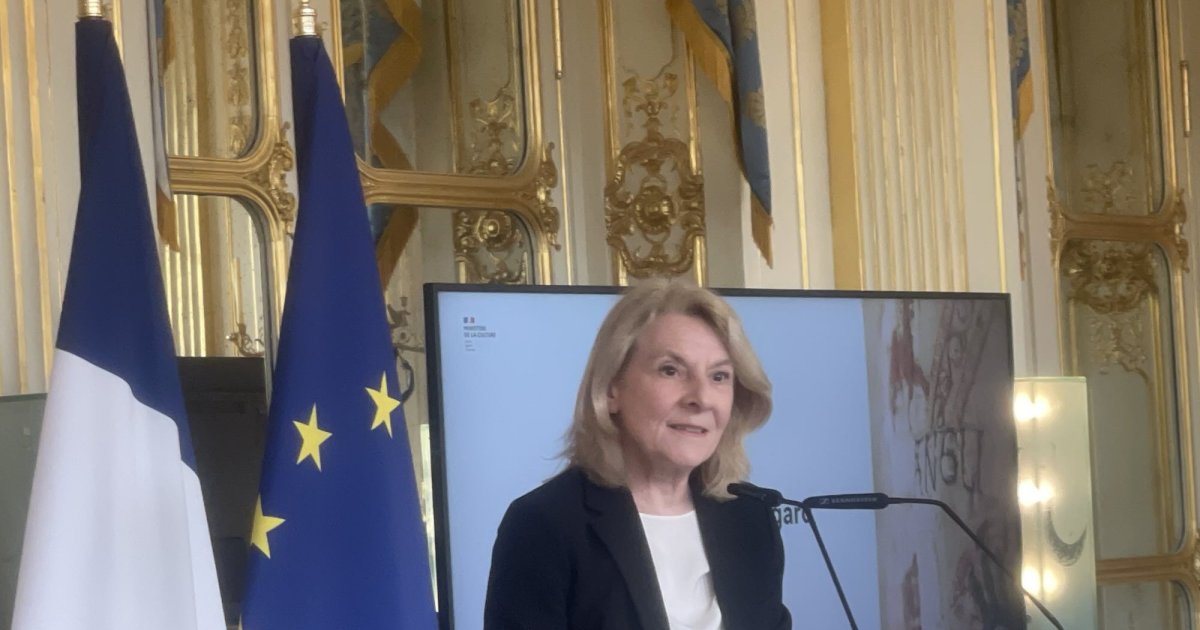
A press conference organized by the French Ministry of Culture confirmed plans to transport the Bayeux Tapestry to the United Kingdom, despite ongoing concerns about the risks to the fragile 11th-century textile. Officials including Culture Minister Catherine Pégard, regional president Hervé Morin, and UK special envoy Lord Peter Ricketts celebrated the loan as a success, dismissing critics as unjust. However, the article reveals that key details—such as the Channel crossing via Eurostar tunnel—remain undisclosed, and a test voyage in April failed to address critical unknowns about the tapestry's reaction to vibrations.
This matters because the Bayeux Tapestry is an irreplaceable historical artifact of immense size and age, and the article argues that the decision to move it prioritizes political prestige over conservation. The author, Didier Rykner, highlights that even the restorers now preparing the tapestry for travel previously warned it was too fragile to move, and that a confidential report found no way to test its response to vibrations without risking damage. The controversy underscores a broader tension between cultural diplomacy and the ethical responsibility to protect world heritage.