
Quando un monumento smette di esser tale? Il caso dell’opera sul lavoro femminile rimossa a Torino
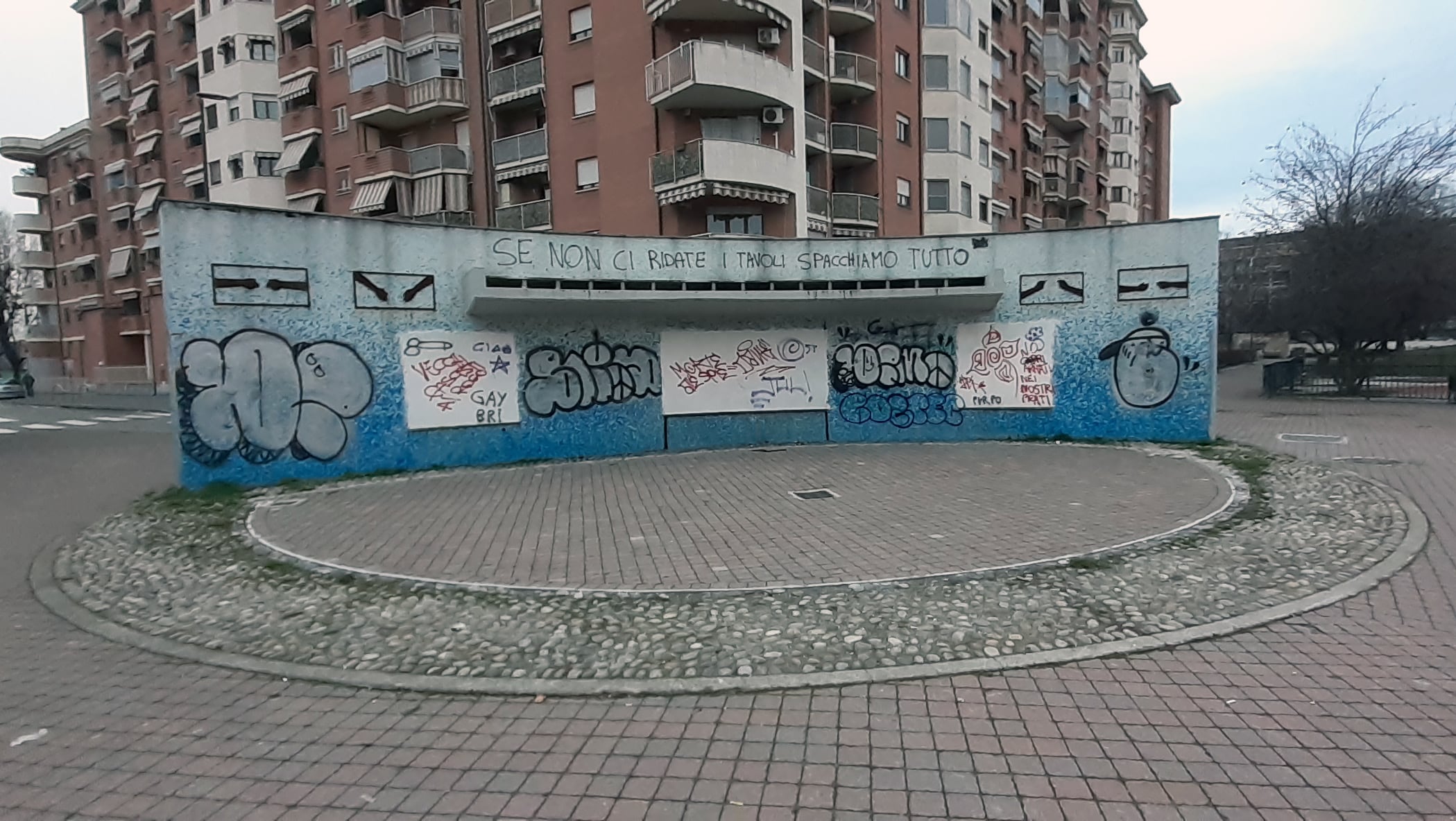
Artist Cosimo Veneziano created a public artwork in Turin in 2012 titled "Questo è dunque un monumento?" (Is This Then a Monument?), dedicated to the female workers of the Superga shoe factory. The work consisted of Corten steel plates applied to a public fountain at the former Superga plant, depicting women's hands mimicking repetitive assembly-line gestures. For over twelve years, the piece remained in place, and the city officially named the area "Piazza alle Operaie della Superga" (Square of the Female Workers of Superga). However, the site gradually deteriorated, the fountain basin was removed, and the artwork became nearly indistinguishable from vandalized surfaces. Recently, the Circoscrizione 5 of Turin contacted the artist about a PNRR-funded urban renewal project that proposed covering the fountain with street art, including a shoe design, effectively erasing the original monument.
This case matters because it raises fundamental questions about the nature and longevity of public monuments, especially those dedicated to marginalized histories. The artwork honored the often-overlooked labor of women in Turin's industrial past, challenging traditional monumental forms. Its potential removal or overwriting highlights tensions between urban renewal, contemporary art, and historical memory. The debate over whether to preserve, integrate, or replace the piece reflects broader issues in public art: who decides what is worth commemorating, how monuments can evolve with their surroundings, and whether a work can remain a monument when its physical and social context has changed.