
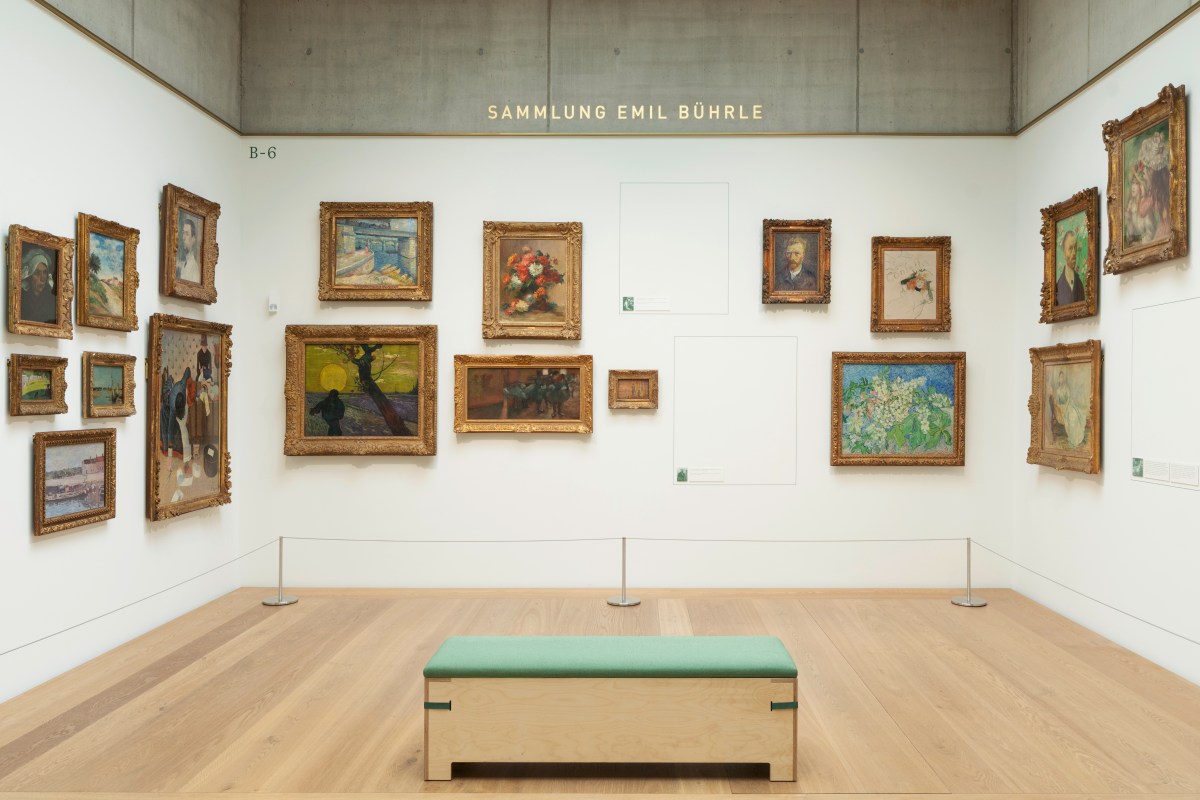
The Zurich Museum of Fine Arts (Kunsthaus Zürich) has opened its third exhibition since 2021 of the controversial Emil Bührle art collection, presenting 205 works on long-term loan from the E. G. Bührle Collection Foundation. The show displays masterpieces by Manet, Monet, van Gogh, Cézanne, and Renoir in a crowded, label-free installation, with ownership histories accessible only via a digital console. Many of the paintings once belonged to Jewish collectors persecuted by the Nazis, including Manet's 'La Sultane', which was owned by Max Silberberg, deported and murdered at Auschwitz. The foundation reached a confidential settlement with Silberberg's heirs last year over the painting's sale under Nazi persecution.
This exhibition matters because it represents the Kunsthaus's ongoing struggle to publicly reckon with the legacy of Emil Bührle, a Swiss industrialist who amassed his fortune selling anti-aircraft cannons to Nazi Germany and whose collection includes works looted from Jews. Critics, including historian Erich Keller, have accused the foundation of filtering provenance research to withhold decisive facts. The museum's acceptance of the long-term loan has sparked public outrage and debate about institutional responsibility, transparency, and the ethics of displaying tainted collections. The show is the third attempt by the museum to address this challenging history, highlighting the unresolved tensions between art patronage and wartime profiteering.