
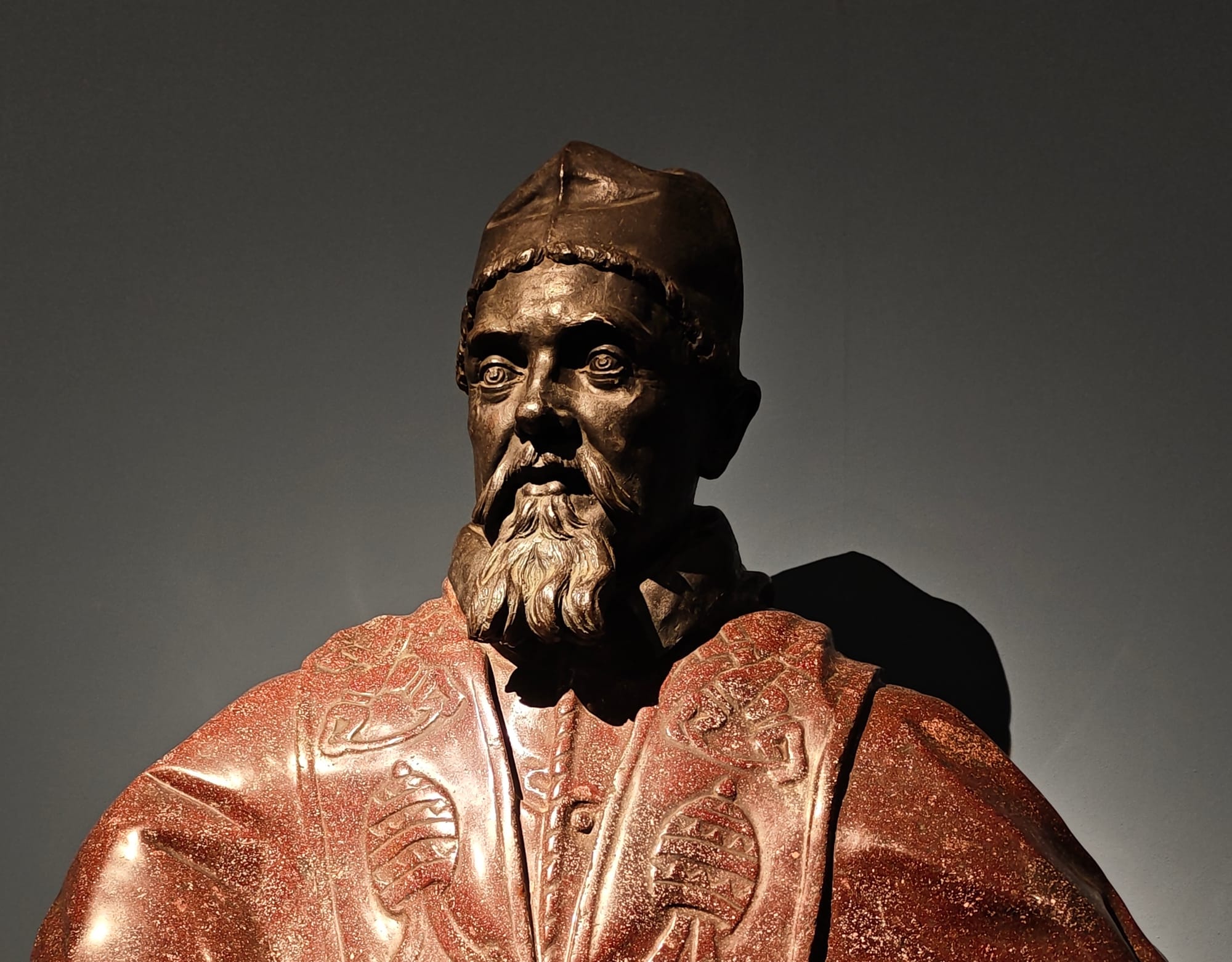
An exhibition at Palazzo Barberini in Rome, titled 'Bernini e i Barberini,' explores the relationship between Baroque sculptor and architect Gian Lorenzo Bernini and his most powerful patron, Pope Urban VIII Barberini. The show traces Bernini's artistic development, beginning with works by his father and teacher Pietro Bernini, and features key sculptures such as 'Saint Sebastian' (1617–18) and 'The Martyrdom of Saint Lawrence' (1616–17). However, the exhibition notably omits significant reference to Bernini's earlier sponsor, Cardinal Scipione Borghese, creating a misleading impression that the artist was purely a Barberini discovery.
The exhibition matters because it reframes Bernini's legacy by focusing on the symbiotic relationship between artist and patron, which was essential to shaping the Baroque appearance of Rome. While the show is relatively small, its themes extend beyond the gallery, encouraging visitors to view original works across the city, such as those in Saint Peter's Basilica. The review also raises critical questions about attribution and curatorial choices, highlighting the ongoing scholarly debates around Bernini's oeuvre and the influence of his father's more naturalistic style.