
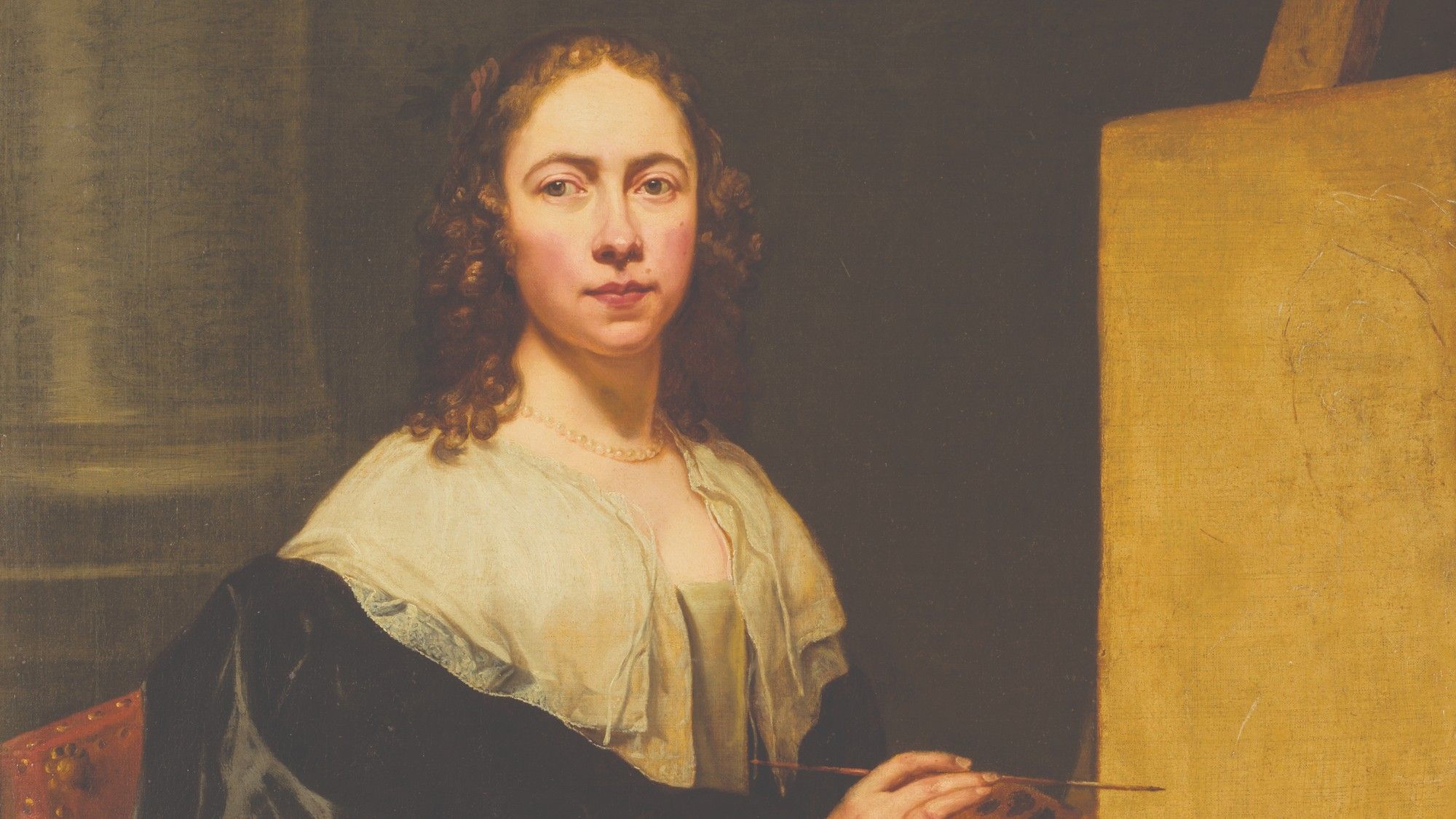
The exhibition of Michaelina Wautier’s work introduces audiences to a long-overlooked master of the 17th-century Baroque period. Born in Mons around 1614, Wautier operated within the elite circles of the Spanish Netherlands, sharing a studio with her brother Charles and securing patronage from the court of the Archduke Leopold Wilhelm. Despite her technical brilliance and ability to navigate complex historical and religious subjects, her name remained largely absent from the art historical canon until this recent reappraisal.
This showcase is significant because it challenges the traditional male-dominated narrative of the Dutch and Flemish Golden Age. By highlighting Wautier's versatility—ranging from intimate portraits to large-scale mythological scenes—the exhibition restores a vital female voice to the history of Western art. Her emergence from obscurity serves as a reminder of how many significant female artists have been historically misattributed or forgotten, sparking a broader conversation about provenance and gender in art history.