
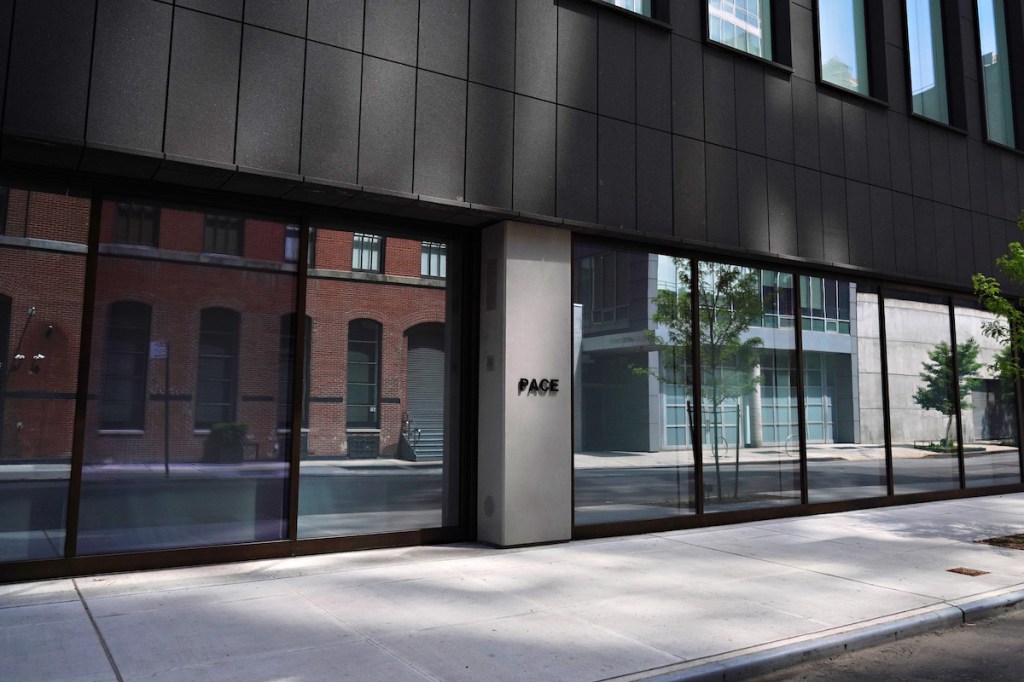
Pace Gallery laid off roughly 50 employees and cut about 50 artists from its roster, as first reported by the New York Times just before a company-wide town hall on Thursday morning. CEO Marc Glimcher held a brief Zoom call instead of the usual in-person gathering, where he acknowledged that his own decisions—including rapid international expansion and rising costs—had led the gallery to this point. The cuts affected sales, communications, art resources, operations, and other departments almost evenly, leaving many staffers uncertain about their jobs and reluctant to speak publicly while severance arrangements were finalized.
This story matters because Pace Gallery has been a defining example of the mega-gallery era, and its downsizing signals a potential shift in the art market's business model. Glimcher’s public self-criticism and the gallery’s move to reconsider perpetual growth reflect broader anxieties in the art world, where major galleries have faced layoffs and closures over the past two years. The episode underscores the fragility of even the largest commercial art enterprises and raises questions about sustainability in an increasingly competitive market.