
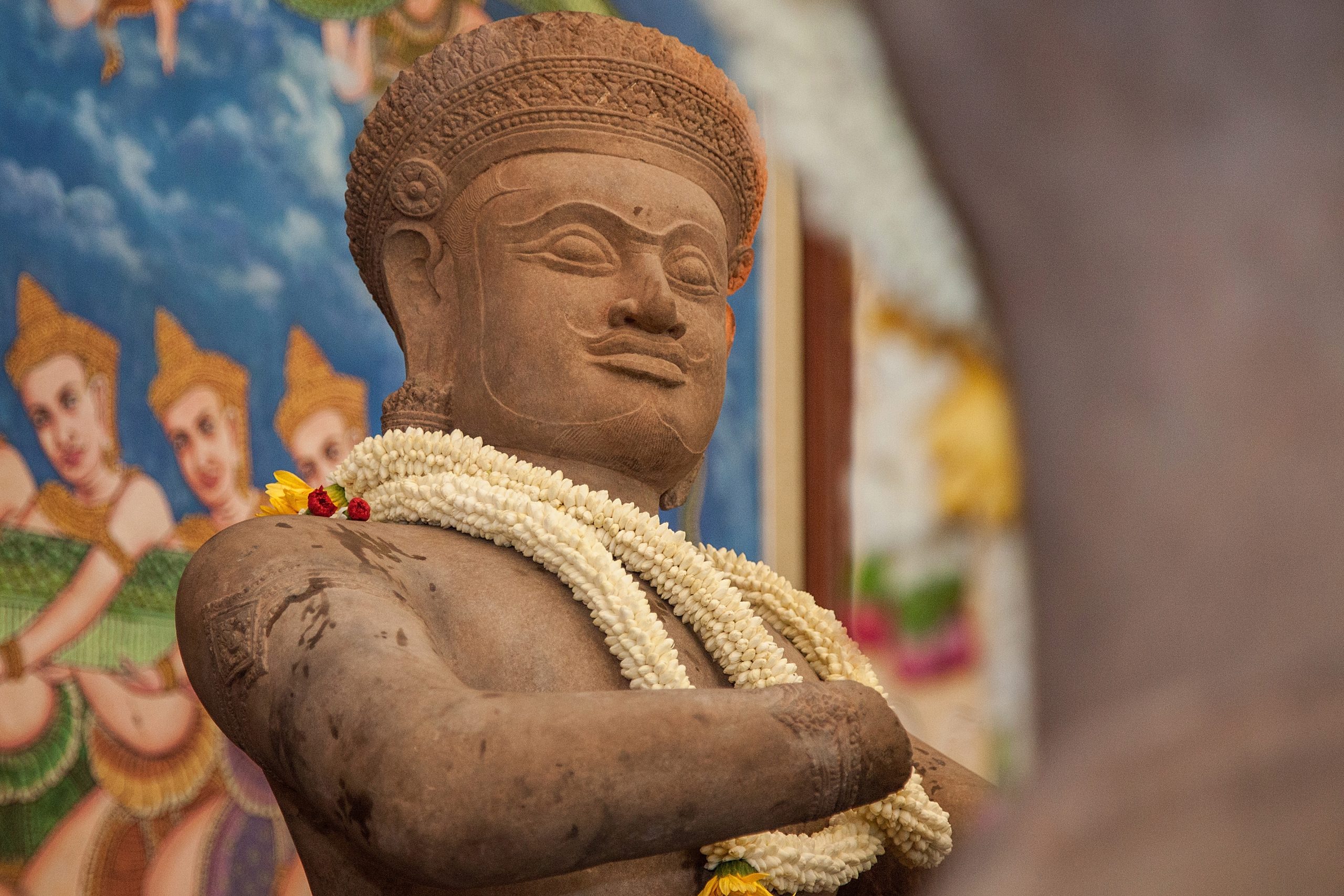
A 1997 looting operation at Cambodia's Koh Ker temple complex targeted three ancient statues, which were trafficked through Thailand to Western buyers. One statue was purchased by an American billionaire, another by a London dealer before disappearing into a private collection, and the third was acquired by the Metropolitan Museum of Art in New York. Two of the three have since been repatriated to Cambodia following investigations into the network of British dealer Douglas Latchford, who allegedly trafficked stolen Cambodian sculptures for decades, often sourced by men linked to the Khmer Rouge.
This case exposes a persistent global problem: despite museums, auction houses, and dealers claiming to take provenance seriously, the illicit antiquities market remains robust. Looting continues in conflict zones like Iraq, Syria, Sudan, and Ukraine, where systematic theft destroys cultural heritage and endangers lives. While U.S. law enforcement—including the Manhattan District Attorney's Antiquities Trafficking Unit—has made progress in repatriating stolen works, the article argues that demand from Western buyers sustains the trade, making it an ongoing crisis rather than a closed chapter.