
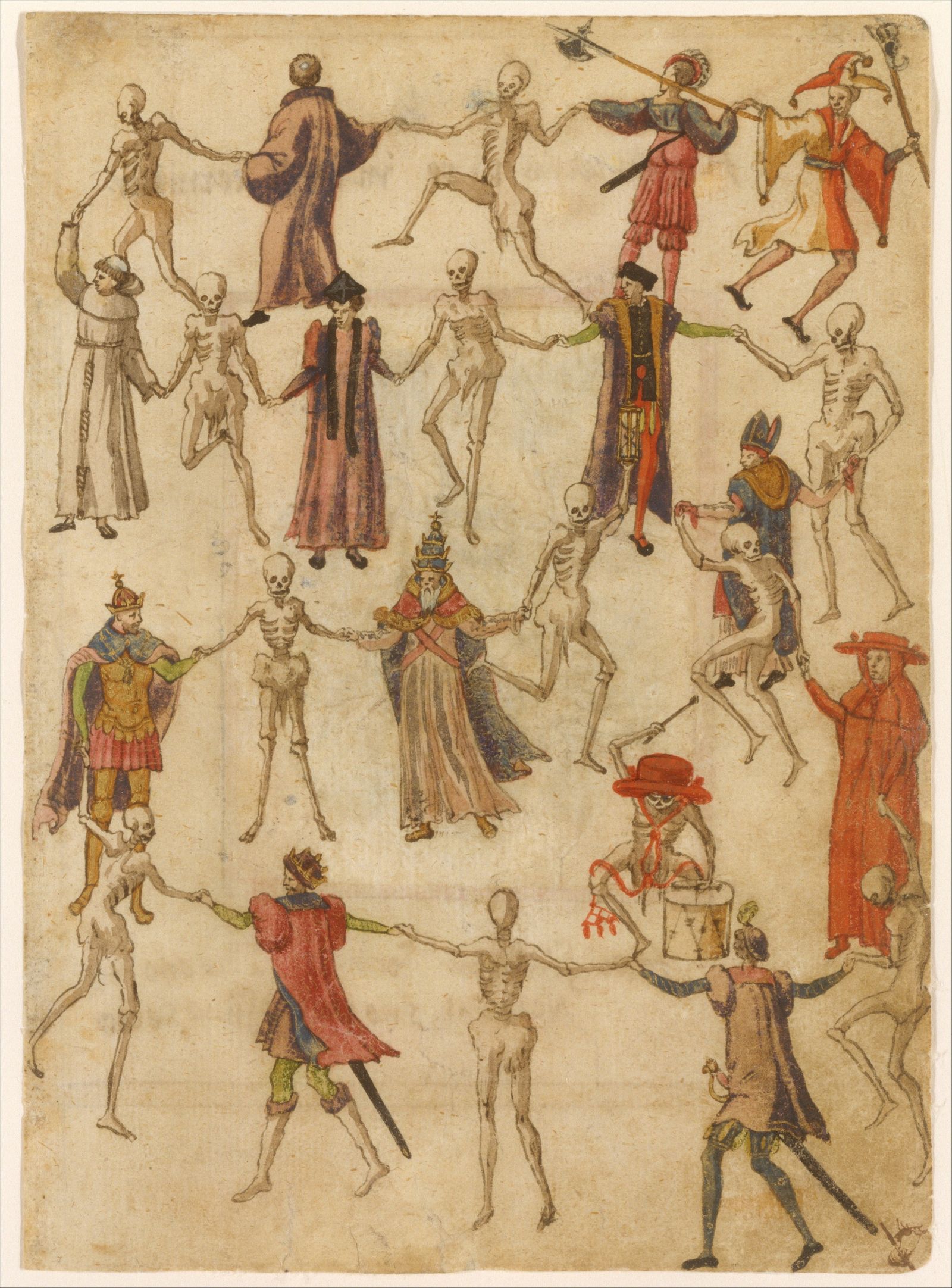
A new exhibition titled “Musical Bodies” has opened at the Metropolitan Museum of Art in New York, exploring 4,000 years of music-making through the lens of art history. Curated by Bradley Strauchen-Scherer, the show features roughly 130 works—including ancient Egyptian clappers carved from hippopotamus ivory, a brass bell from the Lower Niger River region adorned with a human face, and a 19th-century Japanese woodblock print with erotic subtext—that examine how musical instruments across cultures are shaped and decorated like the human body.
The exhibition matters because it reframes musical instruments not merely as tools for sound but as extensions of human identity, revealing deep connections between music, anatomy, and cultural expression across time and geography. By highlighting how instruments serve as physical representations of the body—from percussion tools mimicking hands to flutes carrying sexual symbolism—the show challenges elitist perceptions of music and underscores its fundamental role in human survival and social life.