
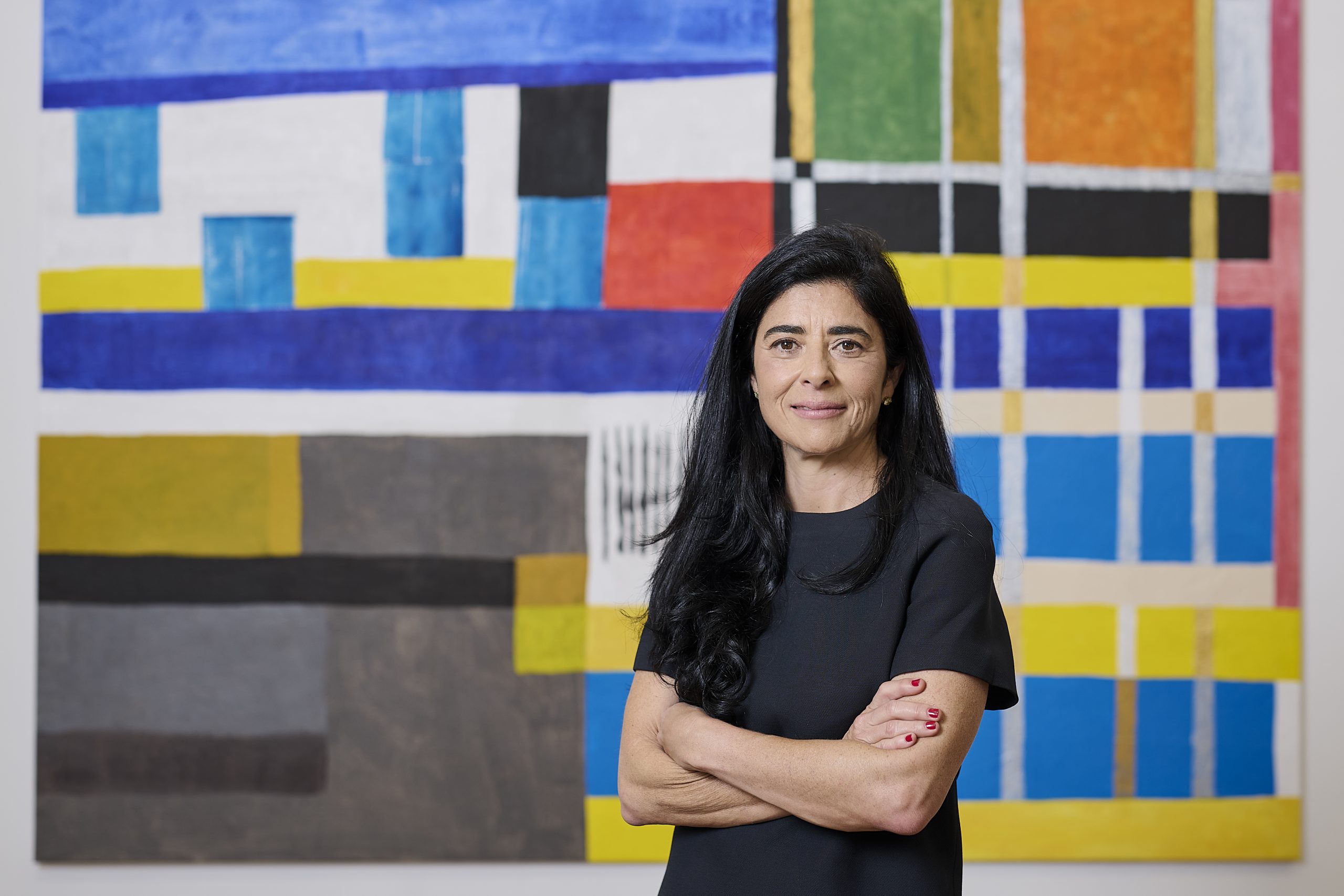
Goodman Gallery, founded in 1966 in Johannesburg and now with spaces in Cape Town, London, and New York, is undergoing a major restructuring amid a prolonged art market downturn. Owner Liza Essers, who has run the gallery since 2008, saw profits fall 58% in 2024 despite rising revenue, and decided to cut costs aggressively while investing in a more sustainable business model. The gallery is launching a new digital platform ahead of Art Basel, where it will present high-value works by artists including El Anatsui, Kapwani Kiwanga, and Yinka Shonibare. Essers has also dropped several underperforming art fairs, including Frieze London, Singapore, Miami Basel, and FOG.
This case study matters because it offers rare transparency into the financial pressures facing galleries of all sizes in the current market. Goodman's struggles and strategic pivot reflect a wider industry shift away from the "grow-or-go" model that dominated the previous decade, as even mega-galleries like Pace make cuts and others like Templon and Dépendance downsize or close. The article highlights how galleries are rethinking their reliance on expensive art fairs and expanding footprints, suggesting a fundamental reevaluation of what success looks like in the contemporary art business.