
À Pantin et ses alentours, pourquoi la Seine-Saint-Denis est devenue un hub hyper-attractif pour les métiers d’art
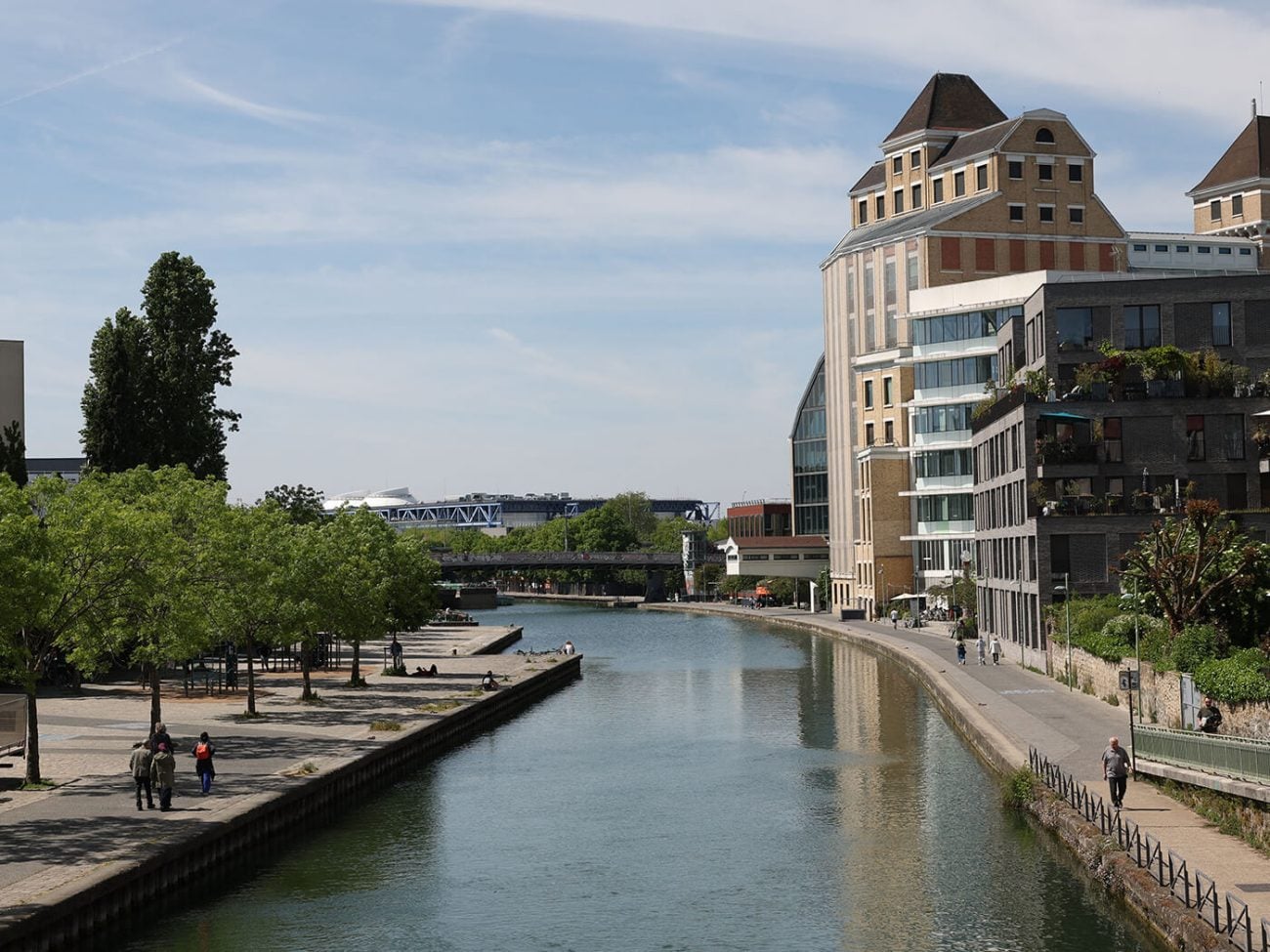
The article reports that the Seine-Saint-Denis department, particularly the town of Pantin and its surroundings, has transformed from an agricultural and industrial area into a highly attractive hub for art and craft professions. This shift began in the 1990s and accelerated in the 2000s, as former factories and warehouses were repurposed into cultural and commercial spaces. Notable developments include the arrival of BNP Paribas in 2009, the Thaddaeus Ropac gallery in 2012, the Cité du Cinéma in the same year, and the BETC communications agency's Magasins Généraux exhibition space in 2016. Luxury brands Hermès and Chanel have also established major facilities, with Chanel inaugurating the 25,000-square-meter 19M building in 2022, designed by architect Rudy Ricciotti, housing eleven craft workshops. Today, 51,000 artisanal businesses operate in the area, including 1,500 in the art professions, alongside numerous artist-run spaces and studios like Poush in Aubervilliers and the Ateliers Diderot in Pantin.
This matters because it illustrates a broader trend of post-industrial urban regeneration driven by the creative economy, where art and craft sectors become catalysts for economic and cultural revitalization. The concentration of luxury brands, galleries, and artist collectives in Seine-Saint-Denis challenges the area's historical reputation for poverty and disinvestment, positioning it as a dynamic center for contemporary art and high-end craftsmanship. The development also raises questions about gentrification and the balance between commercial and community-driven art spaces, as the influx of corporate and luxury interests reshapes the local landscape.