
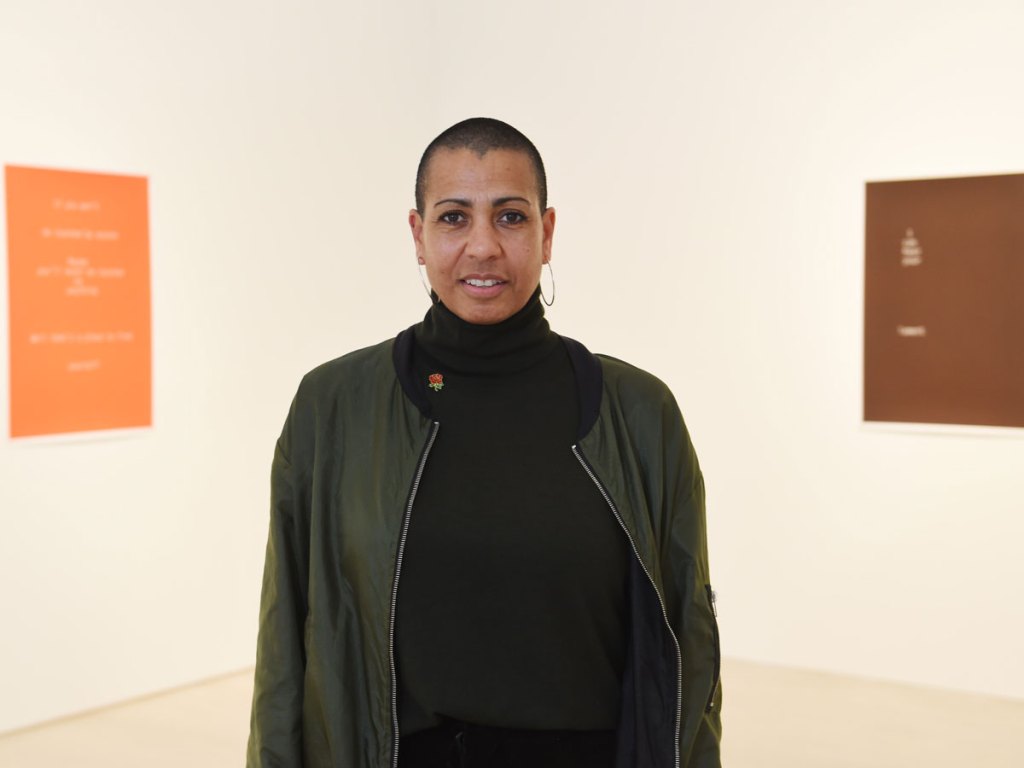
A video work by Turner Prize-winning artist Helen Cammock, titled *Persistence* (2025), has sparked controversy at the National Portrait Gallery in London for claiming that Winston Churchill “wilfully” starved the Indian population during the 1943 Bengal famine. The 40-minute piece, on view since September 2025, compares Churchill’s actions to Oliver Cromwell’s famine in Ireland. The controversy was ignited by a *Telegraph* article, followed by a letter to the NPG board from historian Andrew Roberts and 50 signatories, including Churchill’s grandson, calling the work an “ideologically motivated rant.” Cammock defended her work as a reflection on historical narratives and power, while the NPG stated it supports artistic expression without endorsing the opinions expressed.
This controversy matters because it highlights ongoing tensions between artistic freedom and historical interpretation in publicly funded institutions. The National Portrait Gallery’s decision to commission and display a work that critiques a revered national figure like Churchill raises questions about the role of museums in presenting contested histories. It also underscores the power of art to provoke public debate about colonialism, famine, and national memory, especially as scholarship continues to reassess Churchill’s legacy. The incident reflects broader cultural battles over how institutions balance contemporary artistic perspectives with traditional narratives of national identity.