
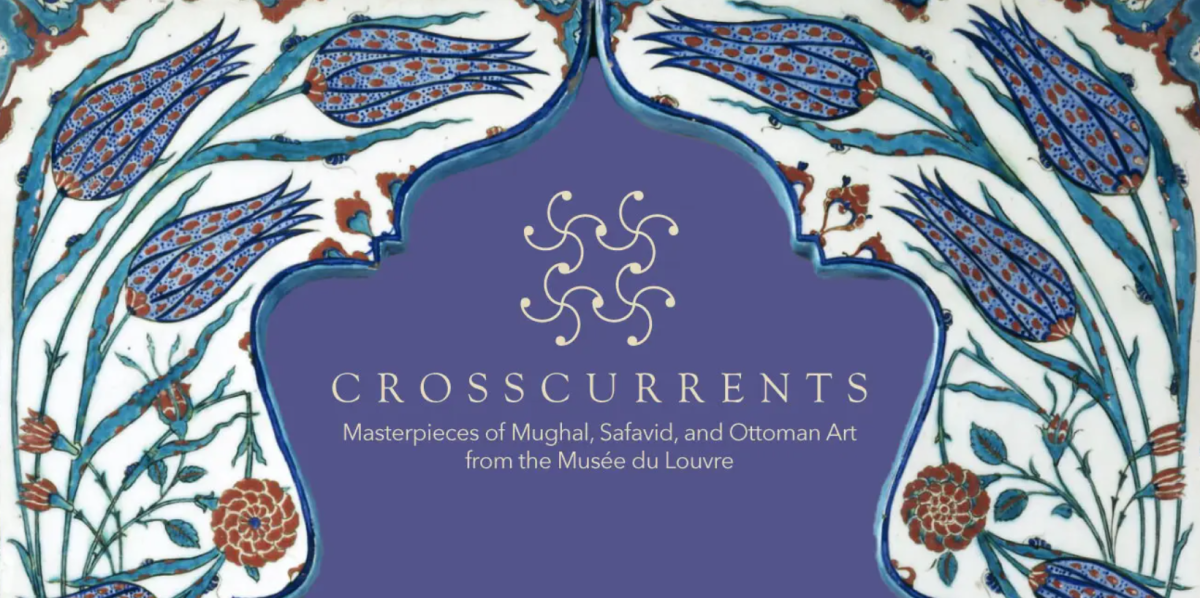
The Asian Civilisations Museum (ACM) in Singapore is opening 'Crosscurrents: Masterpieces of Mughal, Safavid, and Ottoman Art from the Musée du Louvre,' featuring around 100 masterpieces from the Louvre's Islamic art collection—many leaving Paris for the first time—alongside 30 works from ACM's own holdings. Co-curated by both institutions, the exhibition emphasizes artistic exchange across Asia between the 16th and 18th centuries, presenting objects not as isolated treasures but as interconnected artifacts that reveal trade, diplomacy, and cultural flows linking Istanbul, Isfahan, Delhi, and Southeast Asia.
This exhibition matters because it reframes the Mughal, Safavid, and Ottoman empires as interlinked systems rather than separate civilizations, highlighting how art moved fluidly across borders through commercial, diplomatic, and migratory currents. By staging a 'conversation' between objects from different regions and periods, the show challenges traditional museum narratives and underscores the cosmopolitan networks that shaped early modern Asia, offering a model for collaborative, cross-cultural curation between major Western and Asian museums.