
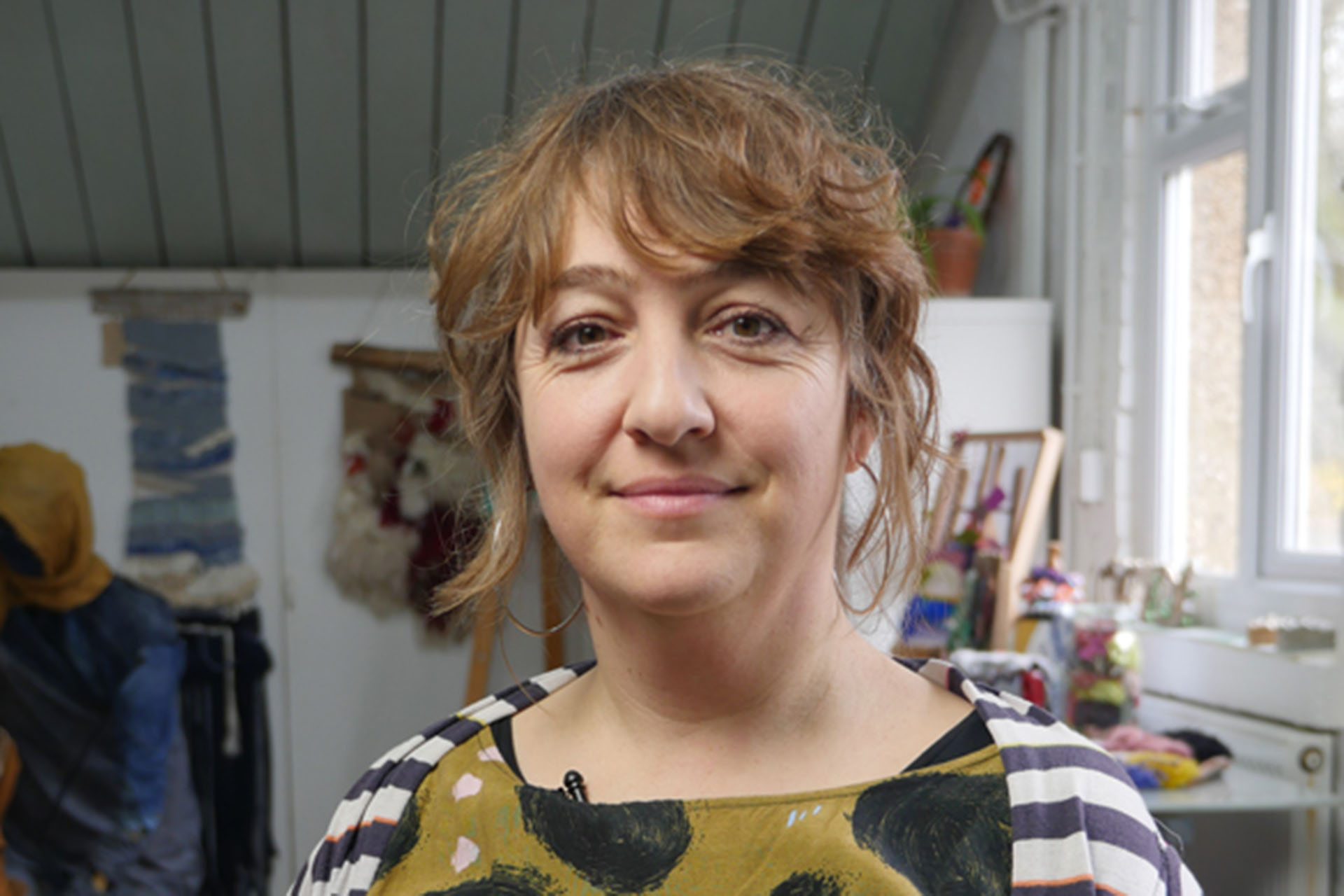
English artist Victoria Culf reached a private settlement with Watford Borough Council after being banned from her own exhibition at Watford Museum in 2023. The ban followed a private conversation in which Culf expressed her Christian views that gender transitions are harmful to children, after a council official disclosed that her child was undergoing a gender transition. Though police cleared Culf of any hate crime within 48 hours, the council barred her from attending the exhibition, her artwork was damaged during the show, and her contract with community art organizer BEEE Creative was terminated. Culf sued for damages, an apology, and the lifting of the ban, arguing discrimination, harassment, and breach of her freedom of expression and religion.
This case matters because it highlights tensions between free speech, religious belief, and LGBTQ+ rights in the UK art world, specifically regarding how public institutions handle controversial personal views expressed by artists. The settlement, in which the council affirmed its commitment to freedom of thought, conscience, and religion, and welcomed Culf back as a community artist, sets a precedent for how local authorities balance protected beliefs with inclusivity policies. It also raises questions about the role of museums as spaces for diverse viewpoints and the professional consequences artists may face when their personal opinions conflict with institutional norms.