
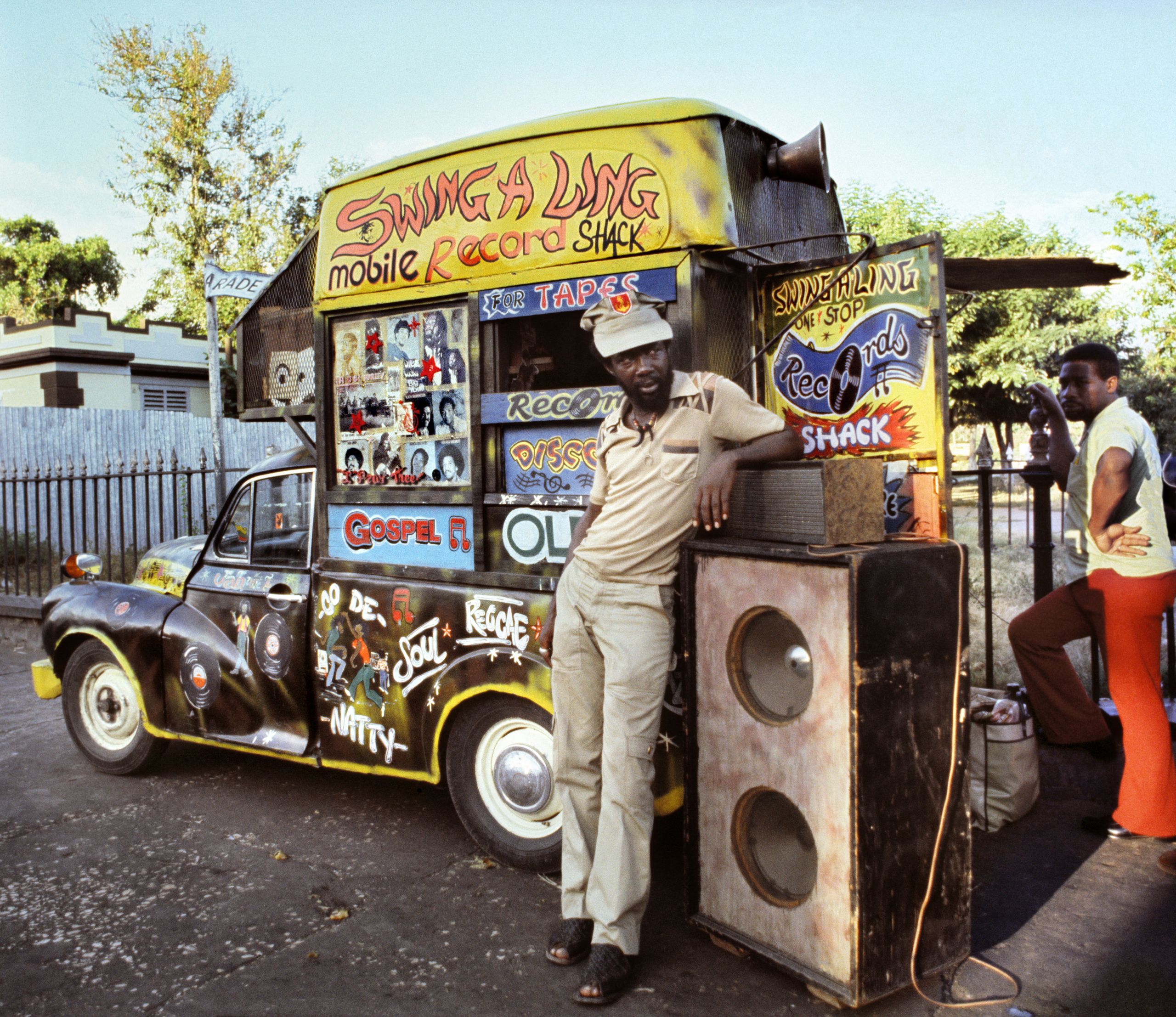
Carla Acevedo-Yates curated a new exhibition titled "Dancing the Revolution: From Dancehall to Reggaetón" at the Museum of Contemporary Art Chicago, exploring how dancehall and reggaetón music genres serve as forms of resistance. The show features around 40 artists including Jean-Michel Basquiat, Phil Collins, Reggie Burrows Hodges, Edra Soto, Alberta Whittle, Carolina Caycedo, and Lee 'Scratch' Perry, with works spanning painting, sculpture, video, installations, and a commissioned mixtape by Juan Rivera. Research trips to Panama and Kingston informed the selection, and highlights include Isaac Julien's early film "Territories" (1984) examining Black life in Britain and the Notting Hill Carnival. The exhibition originated from 2019 protests in Puerto Rico where reggaetón was danced on cathedral steps, leading to the governor's resignation.
This exhibition matters because it reframes dancehall and reggaetón beyond entertainment, positioning them as profound cultural tools for survival, resistance, and joy within Black Atlantic performance traditions. By connecting Kingston's sound system culture, dancehall, reggae en español, and Puerto Rican reggaetón, the show expands understanding of how visual artists have engaged with these social and political histories for decades. It also highlights the intersection of music, protest, and queer/feminist activism, demonstrating how cultural forms can drive political change and community resilience.