
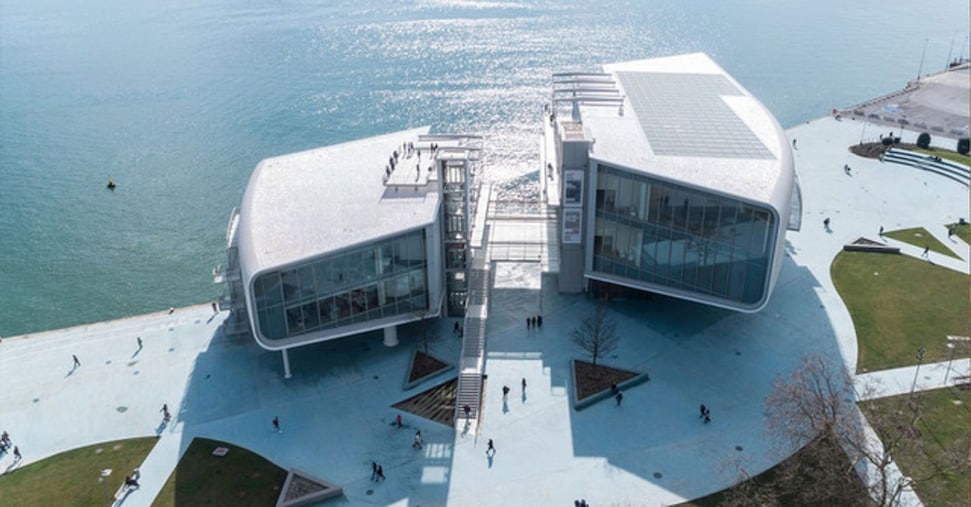
The article examines the recent rediscovery of Venezuelan-American artist Marisol (Marisol Escobar) through a major exhibition co-produced by the Fundación Botín and the MAC/CCB in Lisbon, with the Buffalo AKG Art Museum as a key partner. It details how the exhibition was funded entirely by the Fundación Botín, with cost-sharing strategies like co-production and borrowing most works from the artist's estate. The article also analyzes Marisol's market performance, noting that while her large 1960s polychrome sculptures command top prices—such as 'The Blacks' (1961–62) selling for $317,000 in 2025—her drawings, prints, and works on paper remain relatively affordable, ranging from a few thousand to $100,000.
This matters because Marisol represents a significant gap in the art market's revaluation of female artists from the Pop Art era. Despite her historical importance—she represented Venezuela at the 1968 Venice Biennale and participated in Documenta IV—her prices have not yet surged like those of many rediscovered female artists. For collectors, this discrepancy presents a potential opportunity to acquire works by an artist whose institutional recognition is growing but whose market has not fully caught up. The article underscores how institutional exhibitions and market dynamics interact to shape an artist's legacy and investment potential.