
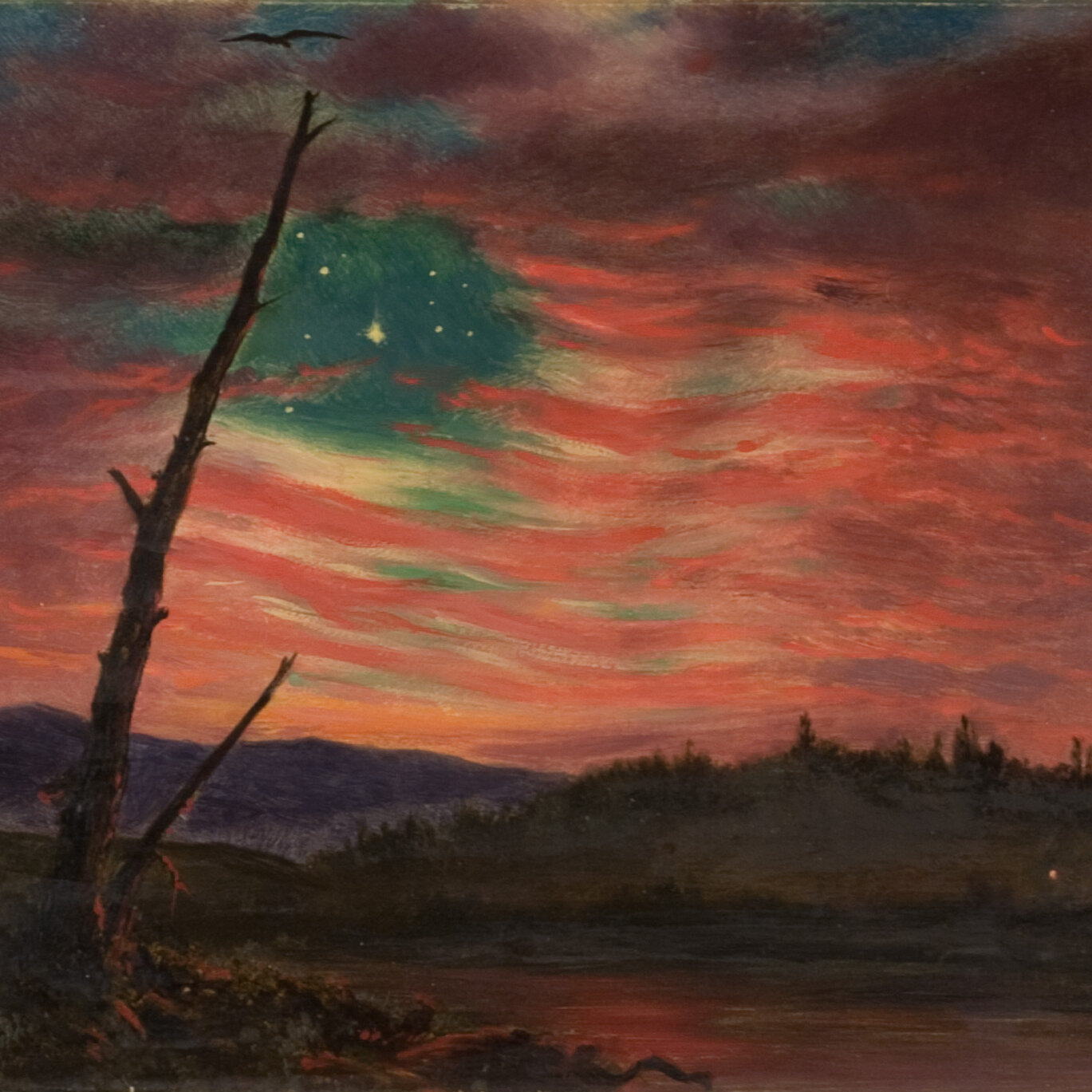
Art historians and curators are re-evaluating the legacy of Frederic Church, arguing that his contributions extend far beyond his traditional classification as a Hudson River School landscape painter. New research highlights his sophisticated engagement with 19th-century science, his architectural achievements at his estate, Olana, and his role as a global traveler who captured the spirit of the Andes and the Arctic.
This shift in perspective matters because it challenges the 'provincial' label often attached to 19th-century American artists. By framing Church as a polymath whose work intersected with ecology and international exploration, scholars are positioning him as a precursor to modern environmental art and a central figure in a more globalized history of American art.