
Wie Alexander Calder die Skulptur in Bewegung setzte
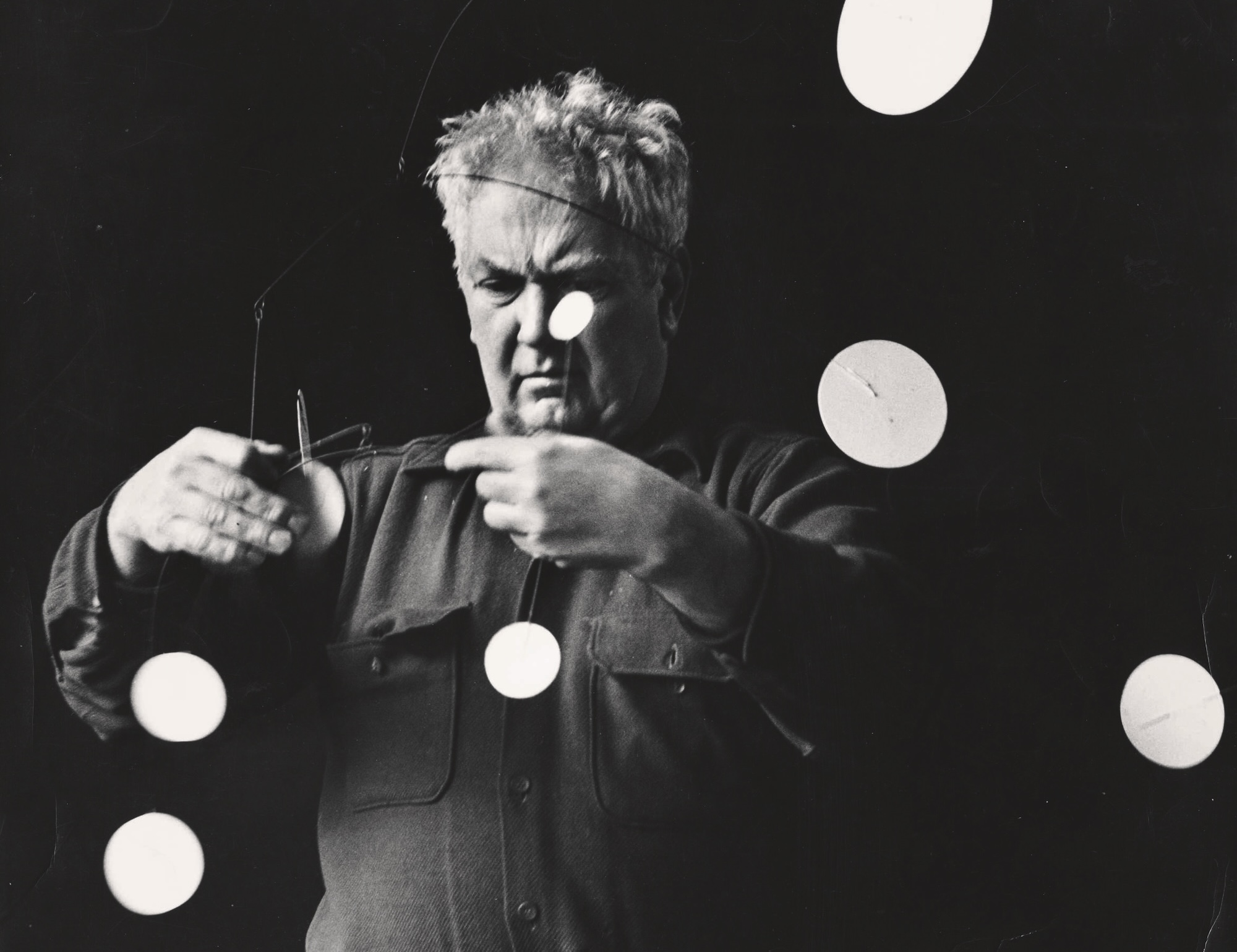
The Fondation Louis Vuitton in Paris has launched a major retrospective titled "Rêver en Équilibre," dedicated to the American sculptor Alexander Calder. Featuring over 300 works, the exhibition traces Calder’s journey from his 1926 arrival in Paris to his invention of the "mobile," a term coined by Marcel Duchamp. The show includes iconic large-scale hanging sculptures like "Rouge triomphant," wire figures from his famous "Cirque Calder," and rarely seen private loans, alongside paintings and jewelry that highlight his engineering background and poetic approach to abstraction.
This exhibition is significant as it marks a century since Calder first moved to Paris, the city where he revolutionized modern sculpture by introducing movement and kinetic energy. By placing his work in dialogue with contemporaries like Wassily Kandinsky and Piet Mondrian, the retrospective underscores Calder's role in shifting sculpture from static mass to linear, spatial drawings. It also explores how his work balanced technical precision with the "poetry of the unexpected," offering a sense of equilibrium that resonated during the politically turbulent mid-20th century.