
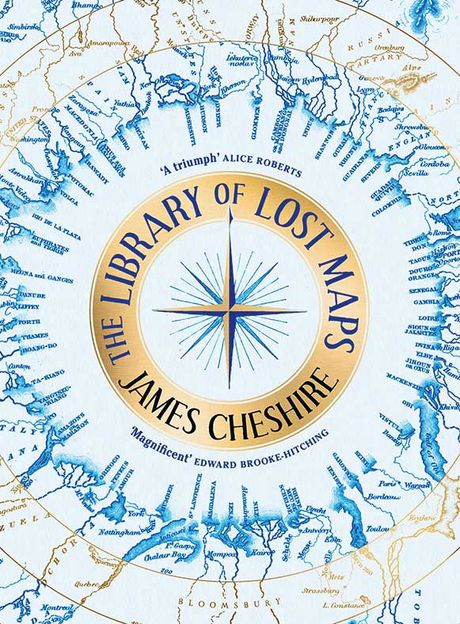
Professor James Cheshire spent three years cataloging forgotten maps in a University College London storage room, resulting in the book 'The Library of Lost Maps.' The volume presents 96 historically significant maps, ranging from a pre-atomic bomb Hiroshima map to a Victorian geological survey of India, highlighting their physical fragility and hidden stories.
The book argues for the enduring importance of physical maps in a digital age, positioning them as vital sociopolitical records and tools for engagement. Cheshire contends that tactile interaction with maps offers unique insights for diplomacy, urban planning, and education that screen-based data cannot replicate, making a case for cartography as both art and essential historical memory.