
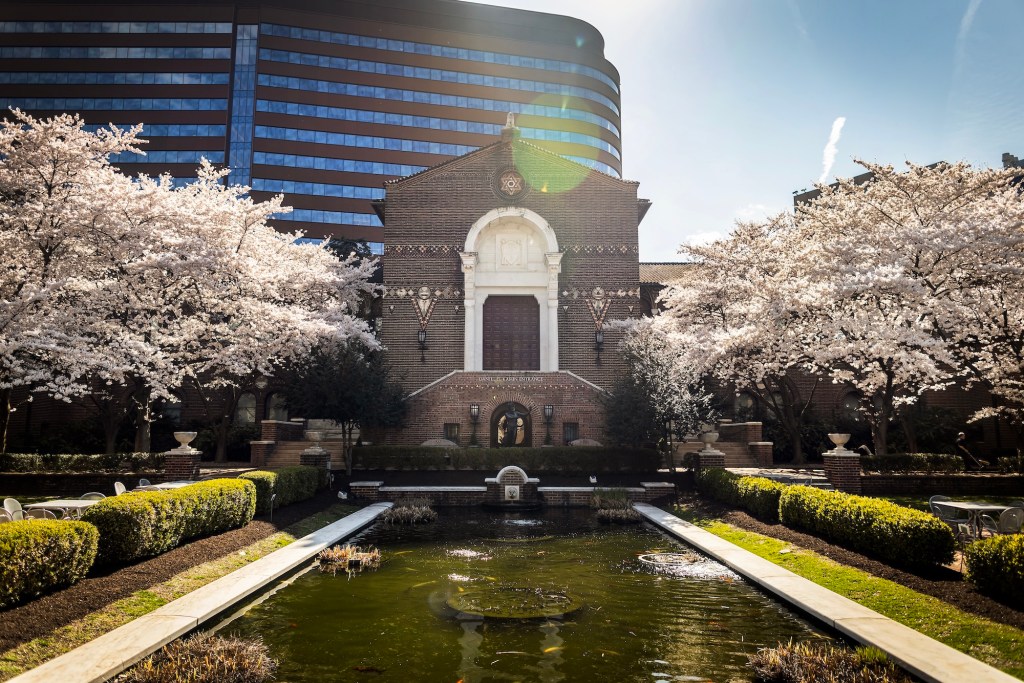
The Penn Museum at the University of Pennsylvania is courting controversy by consigning a major 1891 painting by Ottoman artist Osman Hamdi Bey, titled "At the Mosque Door," to Bonhams London with an estimate of $2.7–$4 million. Although the museum purchased the work directly from the artist in 1895, it was never formally accessioned into the collection, allowing the institution to bypass strict industry regulations that typically prohibit using art sale proceeds for anything other than new acquisitions or collection care. The museum intends to use the funds to establish a permanent endowment for the long-term maintenance of its vast archaeological holdings.
This sale highlights a growing tension between cash-strapped academic institutions and the ethical standards of the art world. Critics and scholars argue that the "unaccessioned" status of the painting creates a loophole that avoids public scrutiny and accountability, potentially setting a dangerous precedent for how museums handle significant historical works. The move is particularly sensitive given the artist's historical role in regulating Western archaeological expeditions, making the work a cornerstone of the museum's own institutional history.