
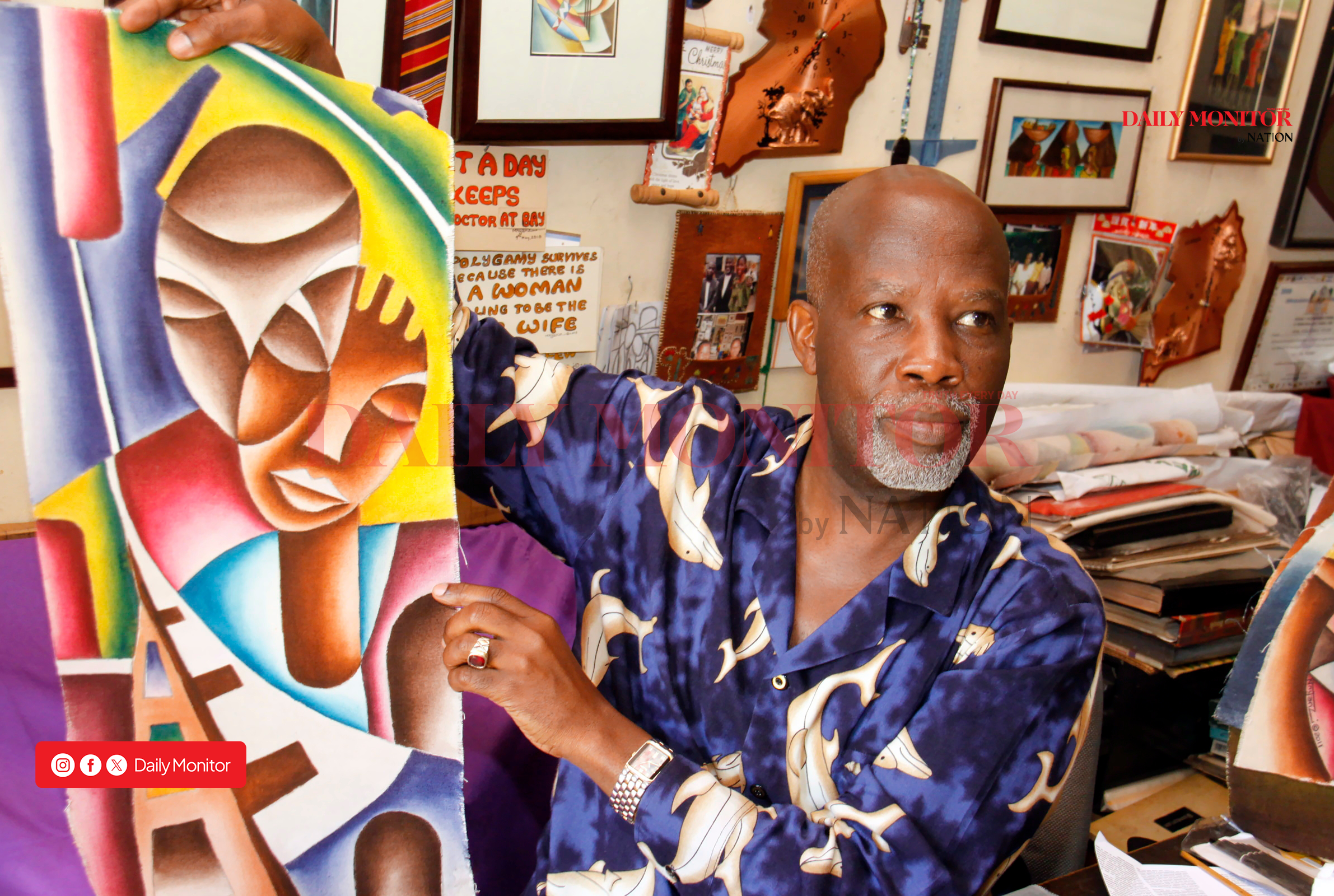
Ugandan visual artists are confronting the disruptive rise of generative artificial intelligence, which many local creators view as a tool for intellectual property theft. Prominent figures like batik artist Nuwa Wamala Nyanzi highlight the lack of consent, credit, and compensation as AI models scrape internet data to replicate unique artistic styles. The local industry is currently navigating a precarious landscape where traditional techniques meet digital automation, raising urgent questions about the future of creative labor in East Africa.
This debate underscores a critical global shift in art law and ethics, particularly within emerging markets where legal protections for creators are often underdeveloped. As Uganda amends its copyright legislation, the tension between technological advancement and the preservation of traditional craftsmanship becomes a focal point for policy. The outcome of this struggle will likely determine how local artists maintain their livelihoods and cultural identity in an increasingly digitized global art market.