
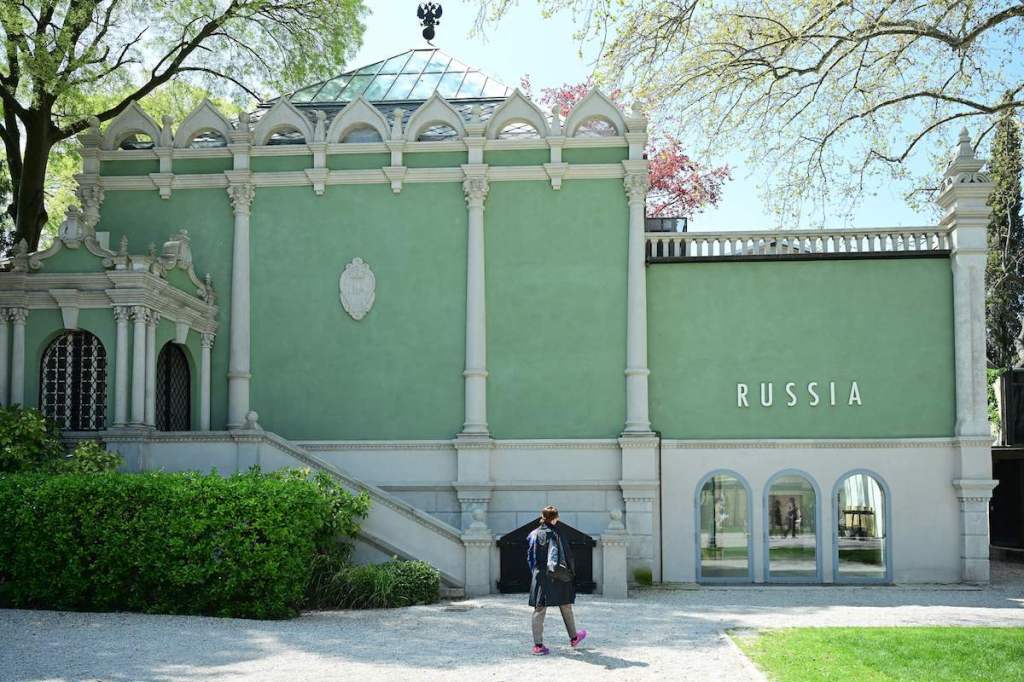
The Venice Biennale is facing intense international backlash following its decision to allow Russia to return for the 2026 edition after a hiatus caused by the invasion of Ukraine. High-ranking politicians from 22 European nations, along with thousands of artists and curators, have signed open letters condemning the move as a platform for state-directed cultural diplomacy and war-crime whitewashing. The Biennale has defended its stance by claiming a policy of non-censorship, asserting that it accepts any nation recognized by the Italian government.
This controversy highlights a significant shift in the Biennale's institutional identity, moving away from the overt political activism seen in 1974 when the exhibition was dedicated to anti-fascist solidarity with Chile. By attempting to maintain a facade of neutrality amidst conflicts involving Russia, Israel, and Iran, the Biennale is struggling to balance its historical role as a diplomatic forum with modern demands for ethical accountability. The potential withdrawal of EU funding and the ongoing protests suggest that the institution's 'culture above politics' defense is increasingly viewed as an unsustainable and non-neutral position.