
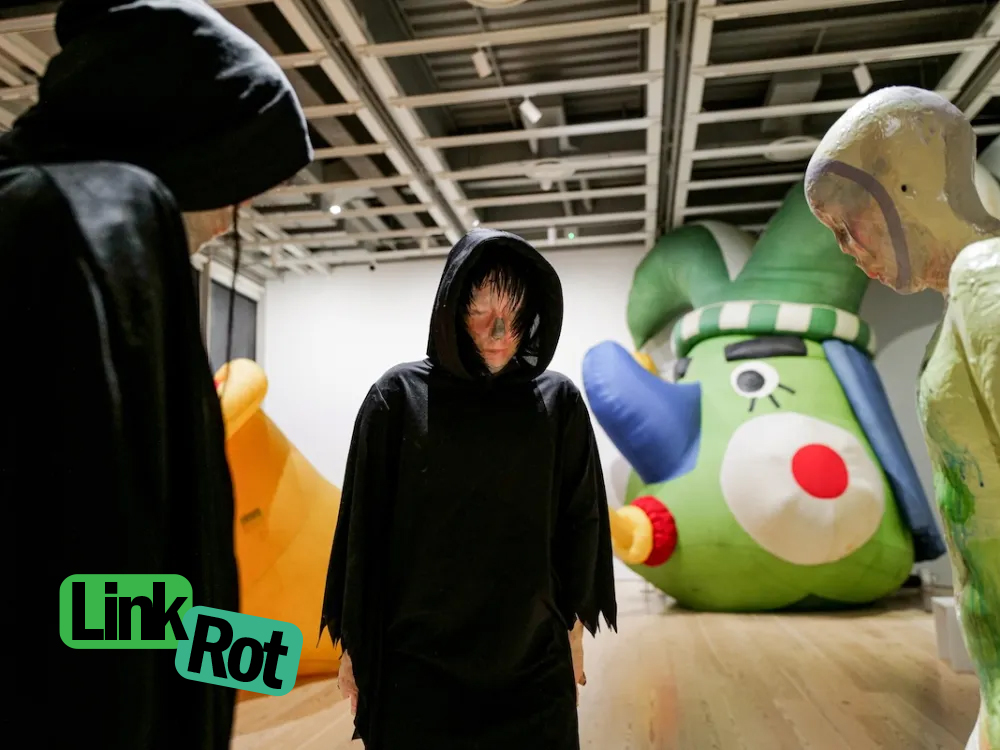
The 2026 Whitney Biennial features a wave of artists grappling with the unsettling intersection of human identity and advanced technology. Works by Cooper Jacoby and Isabelle Frances McGuire highlight a shift away from the sleek, optimistic 'Y2K' tech aesthetic toward a 'techno-horror' that explores data extraction and biometric surveillance. Jacoby’s 'Estate' series uses AI-generated scripts derived from the social media data of deceased individuals, while McGuire’s sculptures utilize 3D medical scans to create distorted, ghostly figures that blur the line between the organic and the digital.
This trend reflects a broader cultural disillusionment with big tech and the 'techno-capitalist' age. By stripping away the sterile facade of modern devices, these artists critique the ways in which quantification and measurement are used to commodify human experience and even life after death. The inclusion of these works in a major institutional survey like the Whitney Biennial underscores the art world's urgent focus on the ethical implications of generative AI and the loss of privacy in the digital era.