
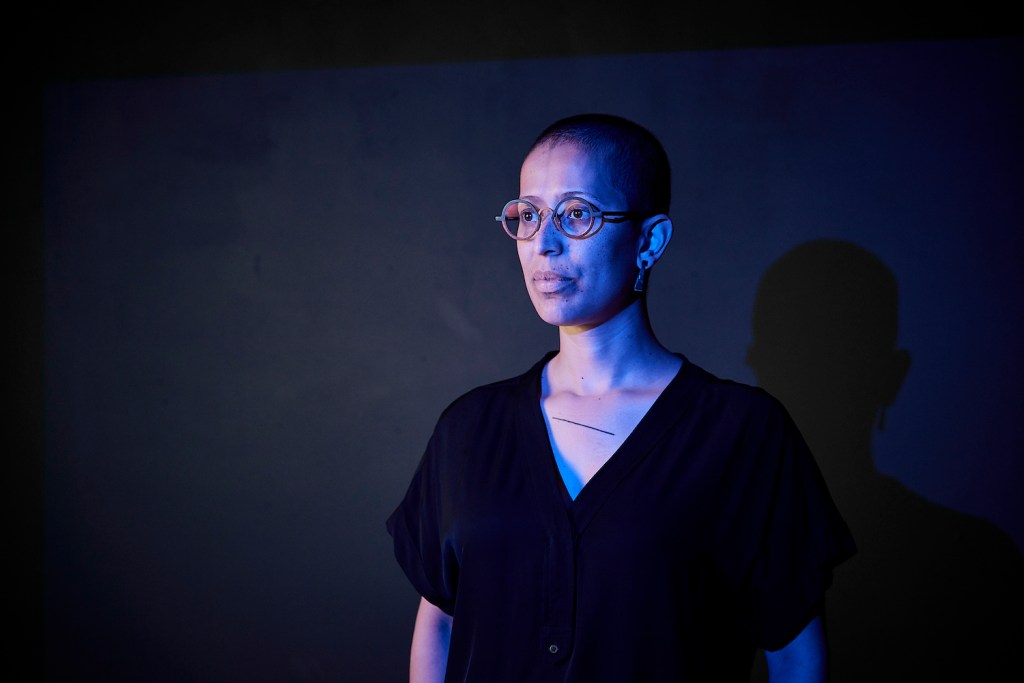
The South African pavilion at the Venice Biennale will remain empty after Gabrielle Goliath’s performance artwork, which commemorates Palestinian poet Hiba Abu Nada, was banned for its "divisive" content. The work will now be staged as a video installation at the Chiesa di Sant’Antonin in Venice starting May 4, in partnership with the London arts center Ibraaz. Meanwhile, researchers at the Art Gallery of Ontario have successfully identified the subject and artist of a 1775 portrait; the painting depicts an enslaved woman named Eleonora Susette and was painted by Jeremias Schultz.
These developments highlight the ongoing tension between institutional censorship and political expression within major international forums like the Venice Biennale. The relocation of Goliath's work underscores a growing trend of independent venues hosting "banned" content to bypass state-level restrictions. Simultaneously, the breakthrough in provenance research at the AGO reflects a broader movement within museums to restore agency and identity to historically marginalized subjects in Western art history.