
Artists and curators in the UK are increasingly mobilizing to address the rapid integration of artificial intelligence in the creative sector. Following a public backlash against an AI-focused workshop at a local gallery in Hull, curator Lucy Brooke organized forums to discuss the ethical implications of machine learning, including copyright, plagiarism, and environmental impacts. While some creators are calling for stricter institutional policies and collective lobbying against AI exploitation, others, like illustrator Eleanor Tomlinson, view the technology as a transitional challenge similar to the invention of photography, focusing on public education rather than opposition.
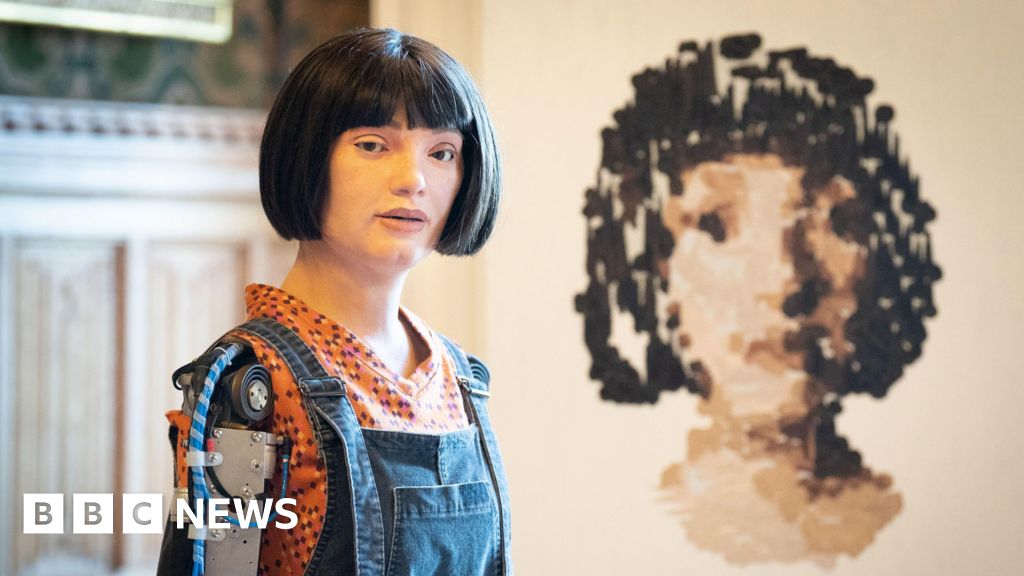
This debate highlights a growing friction between traditional artistic communities and the commercial or institutional adoption of AI tools. The million-dollar auction success of the robot artist Ai-Da at Sotheby's has brought these questions to the mainstream, but the grassroots response suggests that the real battleground lies in labor rights and the definition of community-based practice. As galleries begin to host AI-led programming, the art world faces a critical juncture in determining how to protect human creators while navigating inevitable technological shifts.