
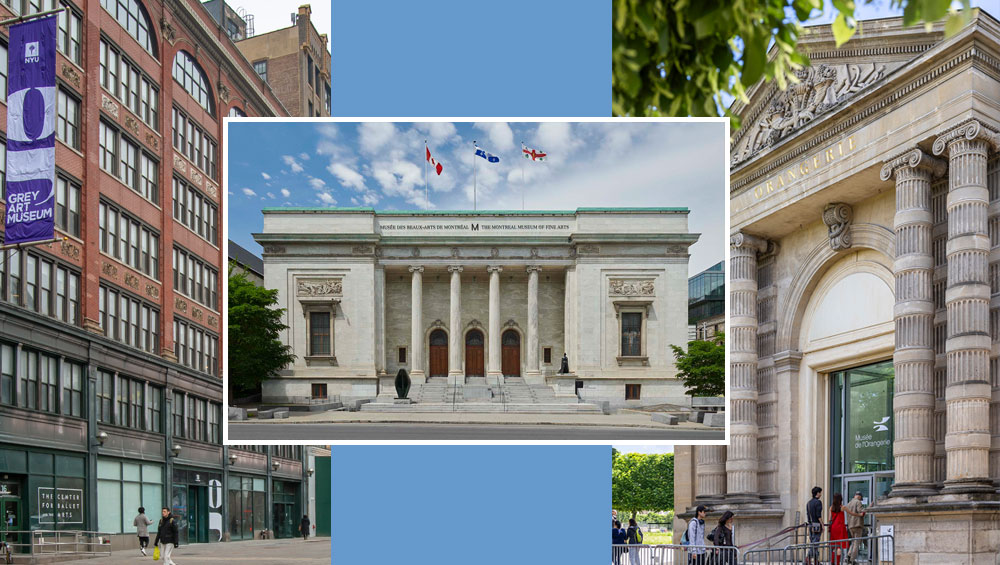
The traveling exhibition "Make Way for Berthe Weill: Art Dealer of the Parisian Avant-Garde" explores the legacy of the pioneering gallerist who first championed artists like Pablo Picasso, Amedeo Modigliani, and Diego Rivera. The show originated at New York University’s Grey Art Museum before traveling to the Montreal Museum of Fine Arts and finally to the Musée de l’Orangerie in Paris. Curators highlight the logistical complexities of such a tour, including the necessity of international partnerships to secure high-profile loans and the role of registrars and conservators in transporting delicate works.
This exhibition matters because it restores Berthe Weill to her rightful place in art history as a critical figure in the development of the 20th-century market. By tracing the show's journey across three distinct international venues, the article sheds light on how institutional budgets, local audience demographics, and architectural layouts fundamentally reshape the presentation and reception of art history. It also underscores the collaborative nature of modern museum scholarship, where smaller university museums drive research that eventually reaches major global institutions.