
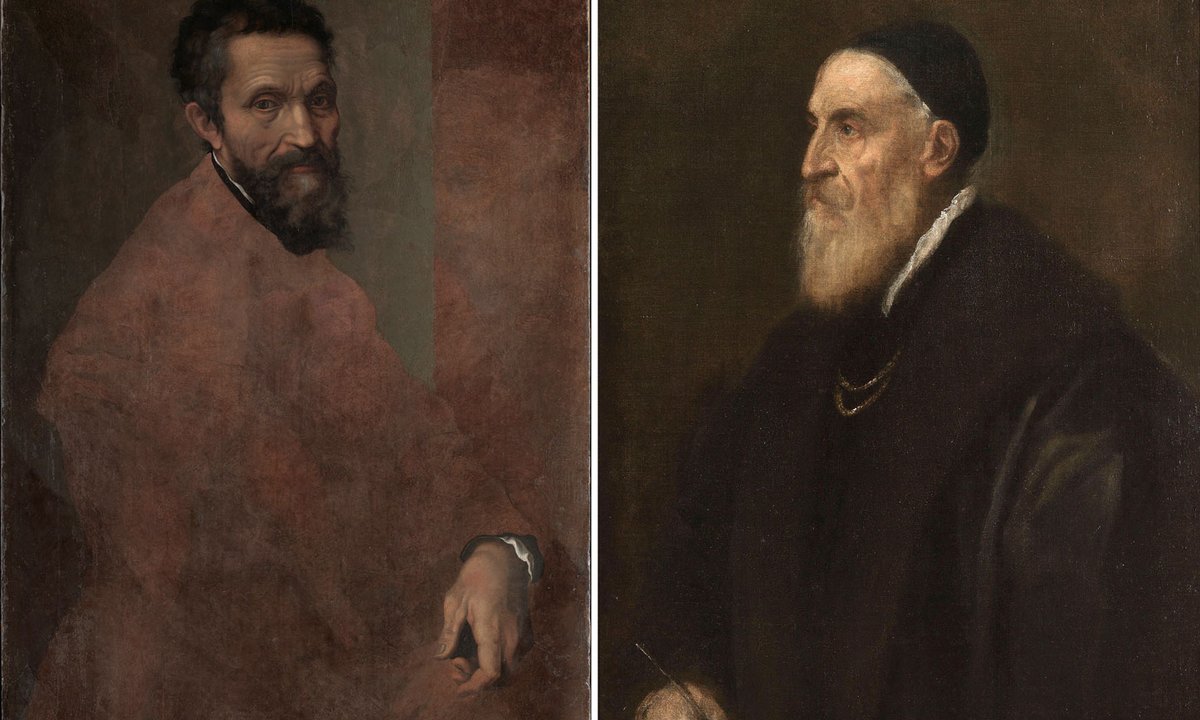
Art historian William E. Wallace explores the parallel lives and artistic philosophies of the two greatest masters of the Italian Renaissance, Michelangelo and Titian. The narrative examines the traditional art-historical divide between the Florentine emphasis on 'disegno' (structured drawing and design) and the Venetian mastery of 'colore' (spontaneous, painterly execution), while highlighting how these two titans influenced one another despite their distinct approaches.
This double biography is significant for challenging the rigid dichotomy often used to categorize Renaissance art. By moving beyond the idea of a simple rivalry, the book provides a nuanced look at how ideas were disseminated through prints, shared drawings, and studio networks, offering a more integrated view of the 16th-century art world and the evolution of artistic technique.