
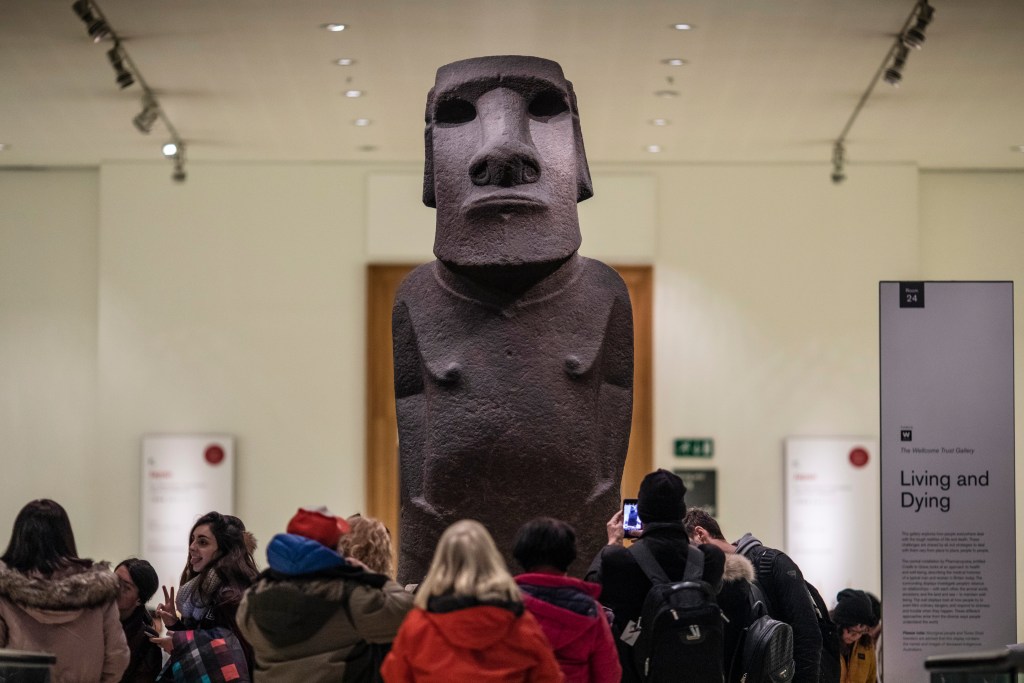
Archaeologist Mike Pitts has challenged the prevailing narrative surrounding the removal of Hoa Hakananaiʻa, the iconic Easter Island moai held by the British Museum. Drawing on a newly discovered 1869 eyewitness account from the Army and Navy Gazette and a rare historical photograph, Pitts argues that the statue's excavation was a collaborative effort involving hundreds of Indigenous Rapa Nui people rather than a simple act of imperial theft. The evidence suggests the British crew traded tobacco for assistance and were guided to the statue's location by the islanders.
This intervention is highly significant as Hoa Hakananaiʻa is the subject of an intense, years-long restitution campaign led by Rapa Nui leaders and the Chilean government. By framing the 1868 removal as a consensual or cooperative transaction, Pitts' research complicates the legal and ethical arguments for the statue's return. The findings highlight the complex historical realities of 19th-century Pacific expeditions, where Indigenous agency often intersected with colonial exploitation and trade.