
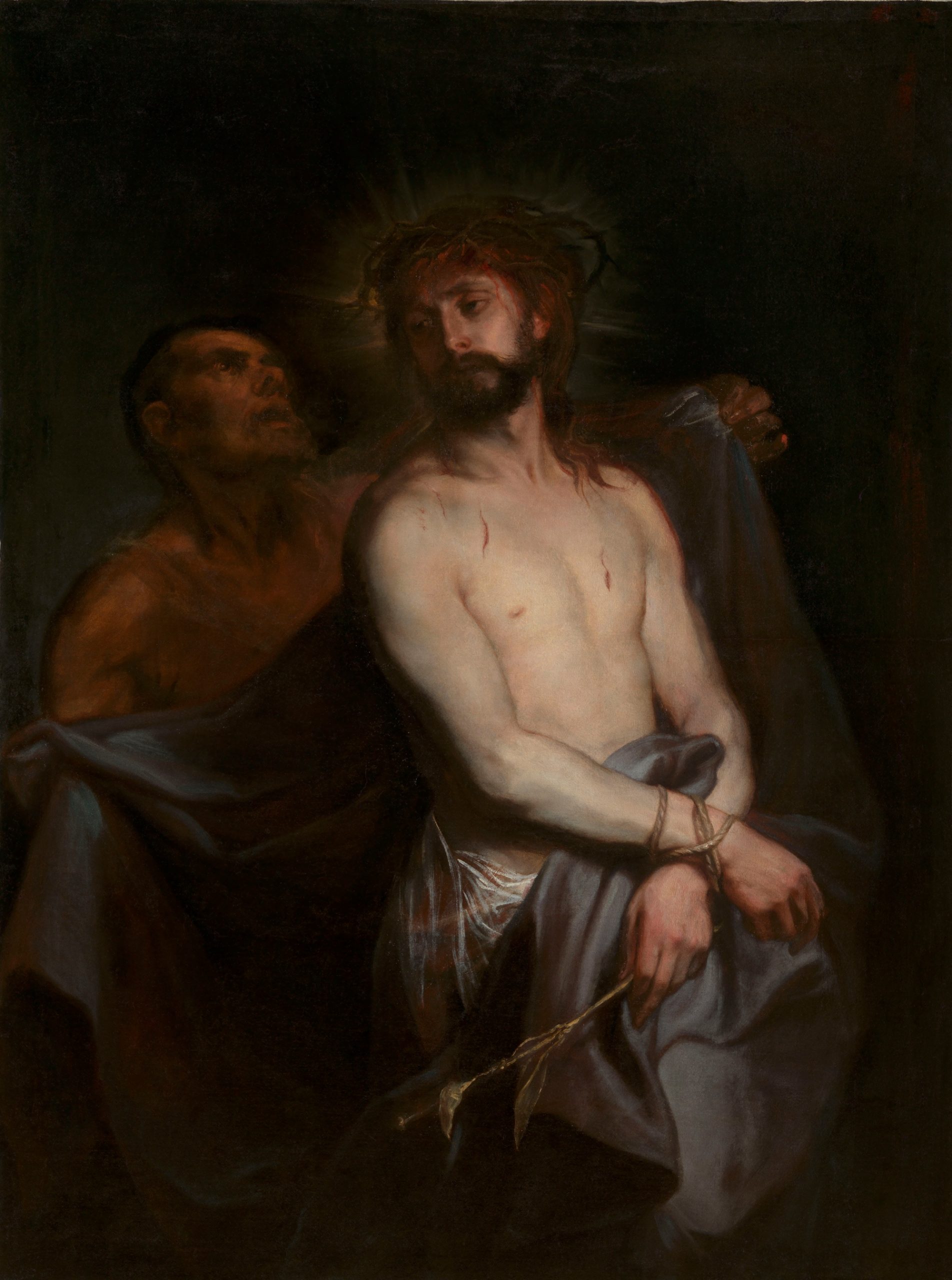
A major new exhibition at Genoa's Palazzo Ducale, "Van Dyck: The European. The Journey of a Genius from Antwerp to Genoa and London," presents a comprehensive survey of Anthony van Dyck's formative years in Italy. Featuring around 60 works, including loans from the Louvre, Prado, and National Gallery, the show reveals how his six-year Italian sojourn was a period of intense experimentation and emancipation from his master Rubens, leading to his signature theatrical portrait style.
The exhibition is the most significant Van Dyck survey in over 25 years and fundamentally repositions his Italian period as the decisive turning point in his career. It highlights rarely seen works, including a first-time public display of 'Ecce Homo' and a never-before-loaned altarpiece, which underscore his significant but lesser-known role as a deeply engaged religious painter. The show provides new scholarly insights, correcting the misconception that Van Dyck remained mostly in Genoa and demonstrating how his synthesis of Italian and Flemish influences created a style that would inspire portraitists for centuries.