
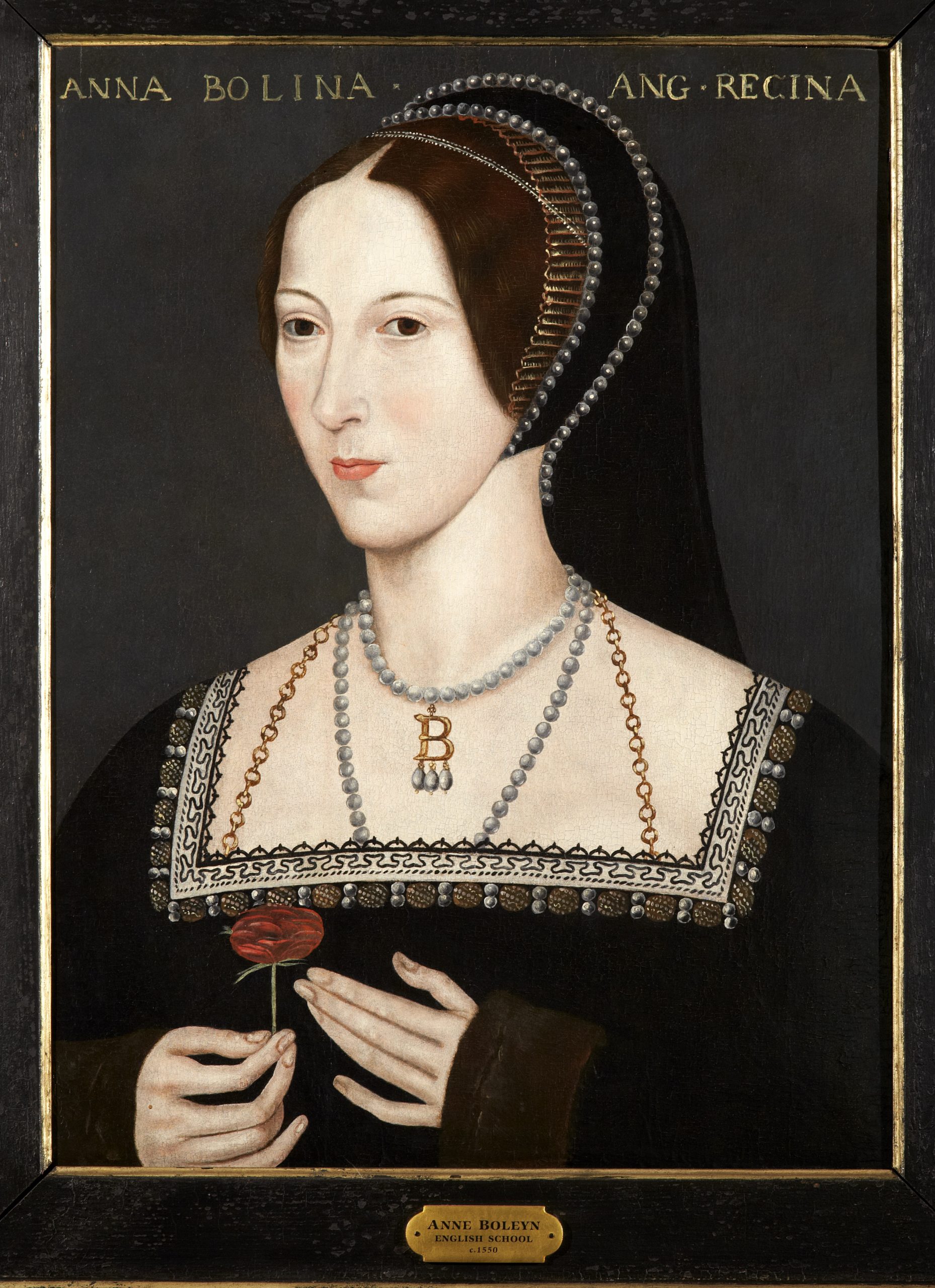
Technical analysis of a 16th-century portrait of Anne Boleyn at Hever Castle has revealed that the artist deliberately reworked the queen's hands to clearly display five fingers. Using infrared reflectography and tree-ring dating, researchers determined the painting dates to 1583, during the reign of her daughter, Elizabeth I. This specific composition, known as the 'Rose' portrait, is now identified as the earliest scientifically dated panel portrait of the doomed queen.
The discovery serves as a significant historical rebuttal to 16th-century smear campaigns that labeled Anne Boleyn a witch. Catholic polemicists like Nicholas Sander had claimed she possessed physical deformities, including a sixth finger, to delegitimize her marriage to Henry VIII and the reign of Elizabeth I. By emphasizing her hands, the portrait functioned as a sophisticated piece of political propaganda designed to restore Anne's reputation and affirm the Tudor line's legitimacy.