
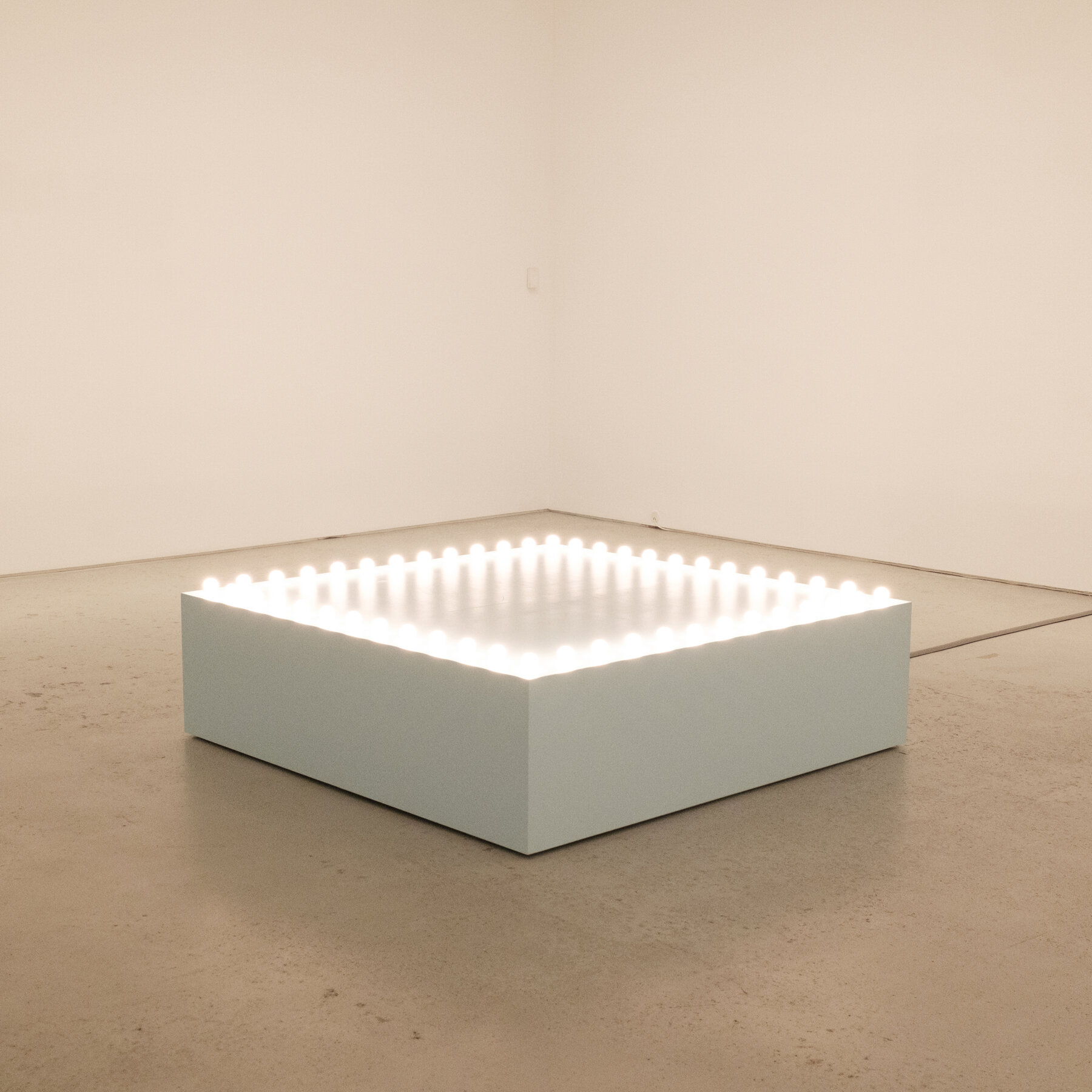
The New York Times examines the enduring power of Felix Gonzalez-Torres's 1991 performance piece "Untitled" (Go-Go Dancing Platform), in which a go-go dancer performs on a pedestal for a brief, scheduled period each day. The work, currently on view at the Art Institute of Chicago, uses the dancer's absence as a central component, creating a poignant metaphor for queer presence and loss.
The piece remains subversive because it resists didactic political statements, instead operating through subtlety, desire, and the politics of visibility and invisibility. Created during the AIDS crisis, its structure of fleeting presence speaks to the era's profound grief while continuing to resonate with contemporary struggles for LGBTQ+ rights. Its power lies in its open-endedness, inviting viewers to project their own meanings onto the work's elegant, haunting form.