
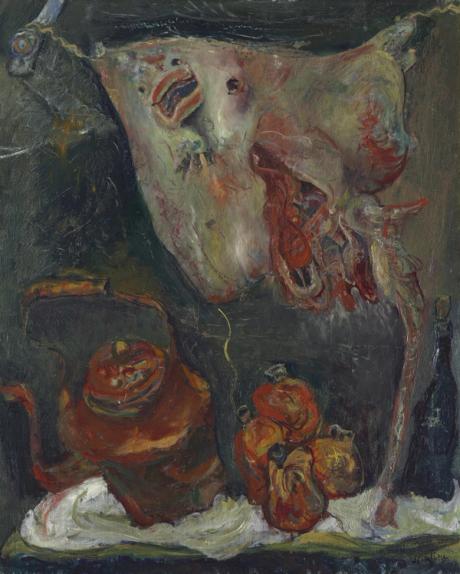
A new biography of Chaïm Soutine, the early 20th-century painter, has been published. The book, written by Celeste Marcus, attempts to piece together the life of the notoriously private and illusive artist, examining his journey from a Belarusian shtetl to the studios of Montparnasse, his complex relationships, and the myths that have grown around his work and persona.
The biography matters because it challenges long-held interpretations of Soutine's art, particularly the tendency to read his visceral paintings of carcasses and turbulent landscapes as direct expressions of personal or Jewish suffering. Marcus argues his primary concern was paint and energy, not narrative or morality, positioning him as a pivotal figure in the School of Paris whose legacy has been obscured by biographical speculation. The book also serves as a poignant group portrait of his era, highlighting the precarious fate of Jewish artists in Europe.