
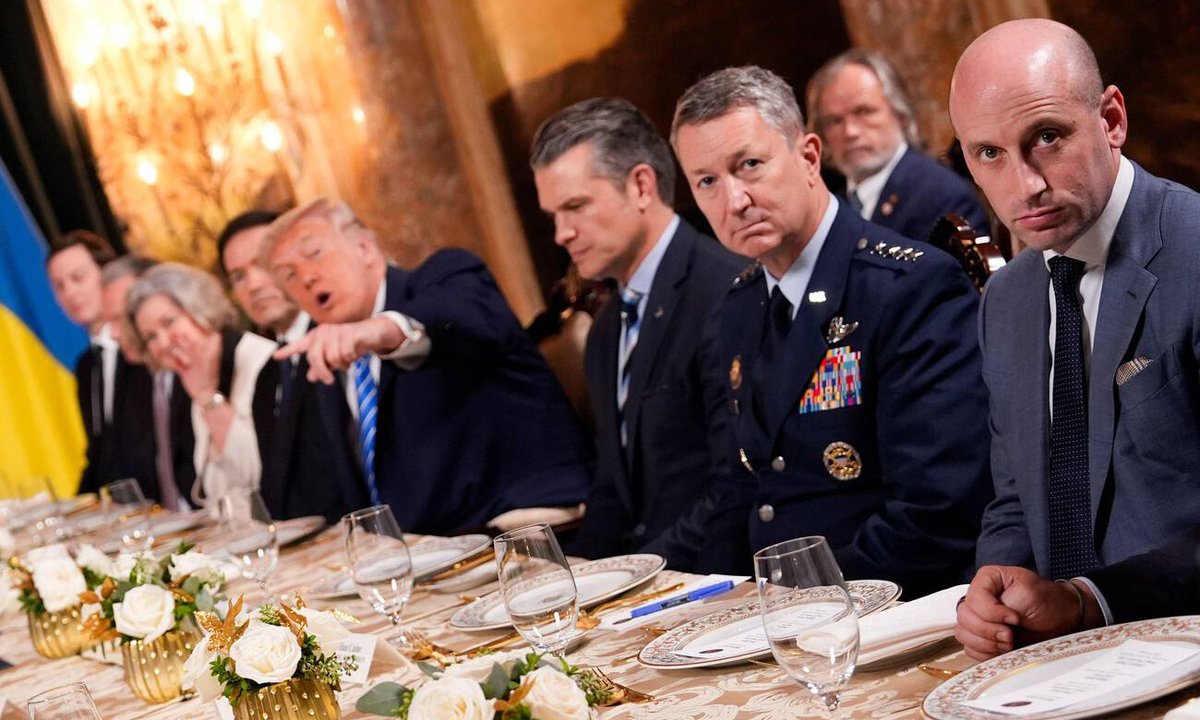
The article examines the resilience of the high-end art market amid rising geopolitical tensions and shrinking public funding for culture. It notes that while sales at major auction houses like Sotheby's and Christie's have rebounded, political forces in the US and Europe are increasingly prioritizing military spending and exerting pressure on cultural institutions, drawing parallels to the rise of fascism in the early 20th century.
This matters because it questions the fundamental premise that art collecting is a permanent marker of cultured affluence. If the global elite shifts its values entirely towards raw power and wealth, the cultural prestige that underpins exceptional art prices could erode, threatening the market's long-term stability despite its current financial buoyancy.