
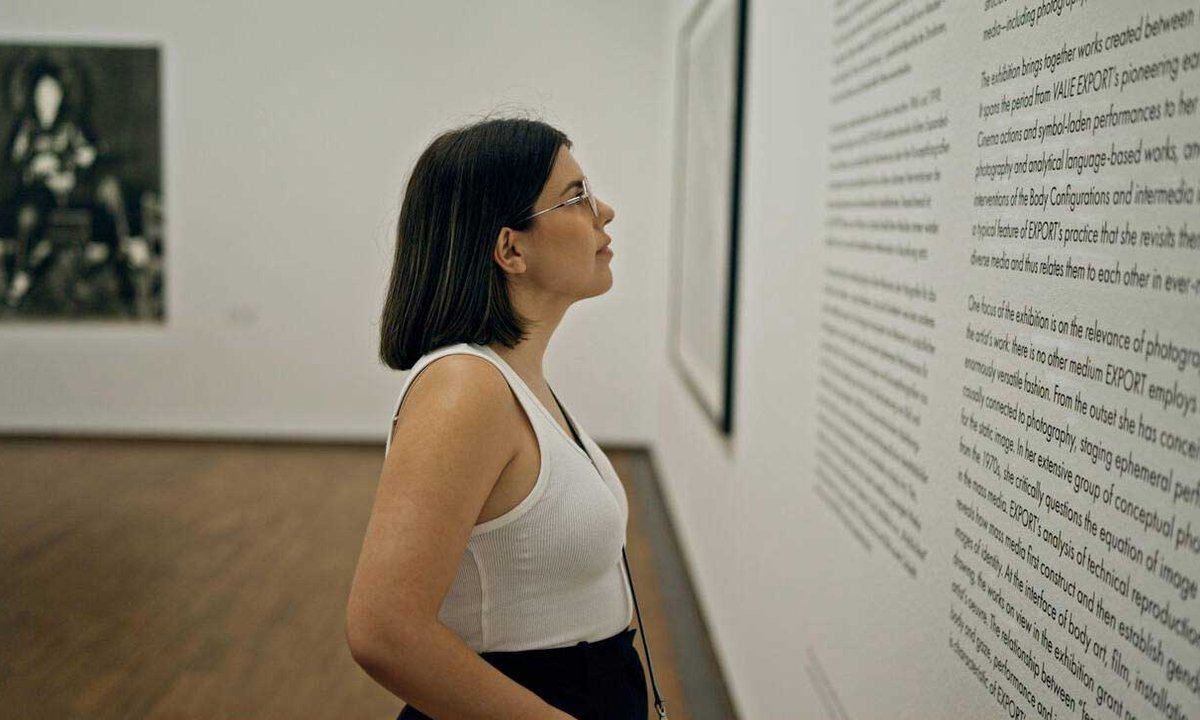
The article explores the debate over museum wall texts, examining whether they enhance or hinder the visitor experience. It highlights contrasting approaches: Calder Gardens in Philadelphia has eliminated wall text entirely, branding itself as "open to interpretation," while institutions like the Frick Pittsburgh and the Royal Ontario Museum (ROM) continue to use carefully crafted labels, often with strict word limits and multiple languages. The Frick Pittsburgh invites guest "labelists" from the local community to write labels, and the ROM focuses on making text shorter and more scannable to hold visitors' limited attention.
This matters because it touches on a fundamental question about the purpose of art: should it be understood through context and explanation, or felt wordlessly? As museums compete for visitors' attention in a digital age, the role of wall text becomes a critical tool for accessibility, education, and engagement. The article also reflects broader trends in museum interpretation, including the push for multiple voices and the challenge of writing for distracted audiences, making it relevant to curators, educators, and anyone interested in how art is presented to the public.