
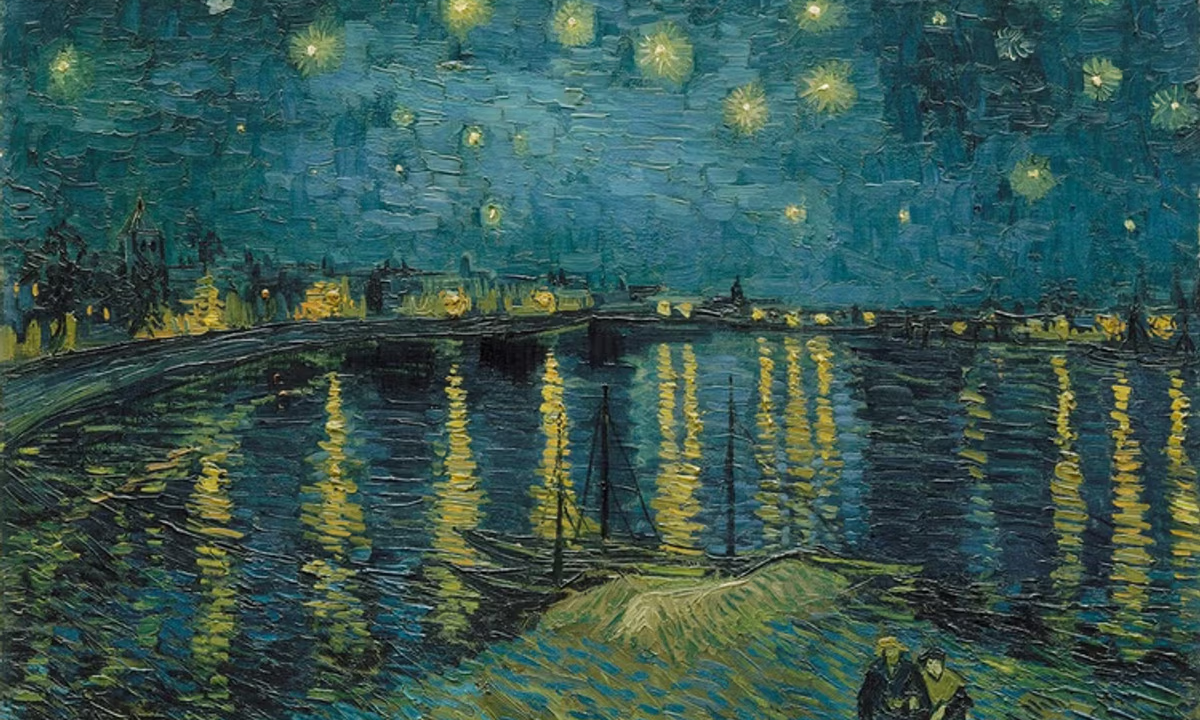
Albert Barnes, the pioneering US collector who built the Barnes Foundation in Philadelphia, twice declined the opportunity to acquire Vincent van Gogh's iconic 'Starry Night' paintings. Unpublished correspondence in the Barnes Foundation archives reveals that in 1923, agent Frank Washburn Freund offered Barnes *Starry Night over the Rhône* (1888), but Barnes did not pursue it; the painting later went to the Musée d'Orsay. In 1936, the Van Wisselingh gallery offered Barnes *Starry Night* (1889), but he again passed; it was eventually acquired by the Museum of Modern Art in New York. Despite these missed chances, Barnes was the first American to buy a Van Gogh, ultimately owning seven works by the artist, including *The Postman* and *Still Life*.
This story matters because it sheds new light on the decision-making of one of America's most influential early collectors of European Post-Impressionism, revealing that even the most prescient collectors can let masterpieces slip away. It also underscores the contingent nature of museum collections—how a single collector's choice shaped the holdings of major institutions like the Musée d'Orsay and MoMA. The revelation adds a fascinating footnote to art history, showing that the two most famous nocturnal scenes by Van Gogh could have ended up together in Philadelphia, altering the landscape of American museum collections.