
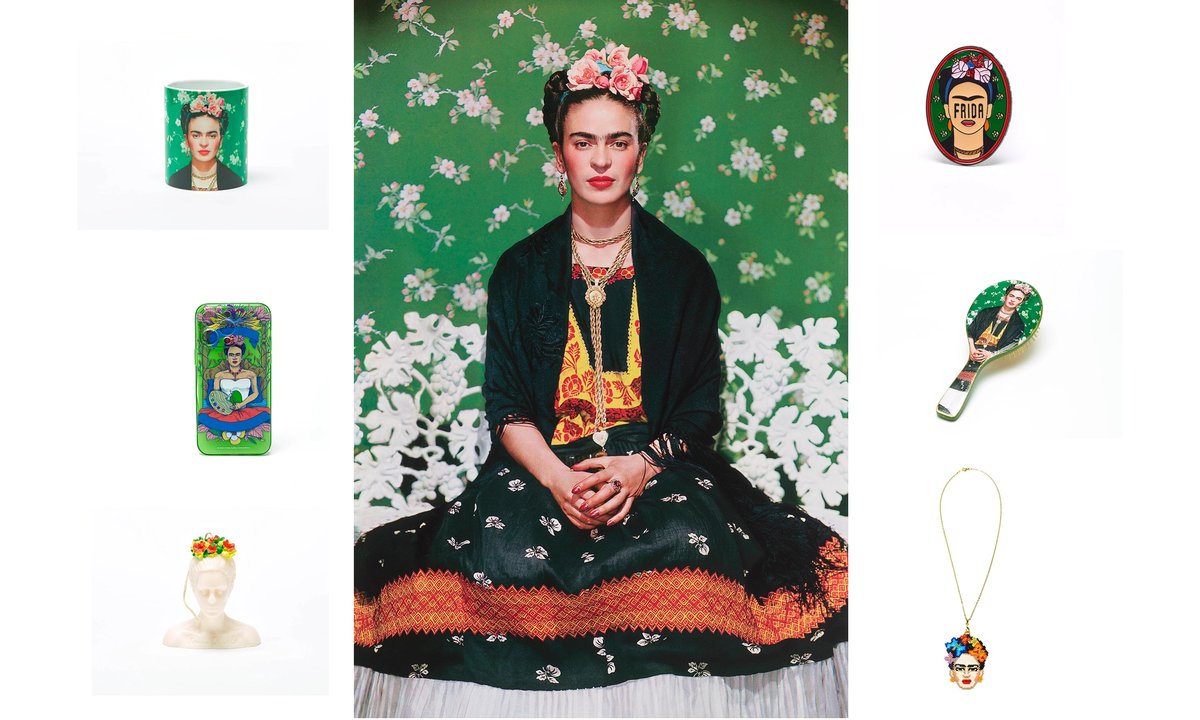
A major exhibition titled "Frida: The Making of an Icon" opens at the Museum of Fine Arts, Houston, tracing how Frida Kahlo evolved from a little-known artist in Diego Rivera's shadow into a global phenomenon and brand. Curated by Mari Carmen Ramírez, the show examines Kahlo's posthumous rise to fame from the 1970s through influential biographies, Chicano and feminist reinterpretations, and her complex relationship with race, ethnicity, gender, and politics. It features 35 Kahlo works including "The Broken Column" (1944), alongside pieces by 80 artists influenced by her, and explores "Fridamania" through 200 objects. The exhibition will travel to Tate Modern in London this summer.
The exhibition matters because it offers the first systematic research into the evolution of "Fridamania" and reframes why Kahlo's influence—rooted in emotional connections to her work and persona—is unparalleled in art history. By examining the intersection of high and low culture, commercial interests, and diverse social movements, the show highlights how Kahlo became a symbol for feminism, LGBTQ+ rights, disability advocacy, and Chicano identity. This comprehensive look at her legacy underscores the unique power of an artist to transcend the art world and become a lasting cultural icon across generations and movements.