
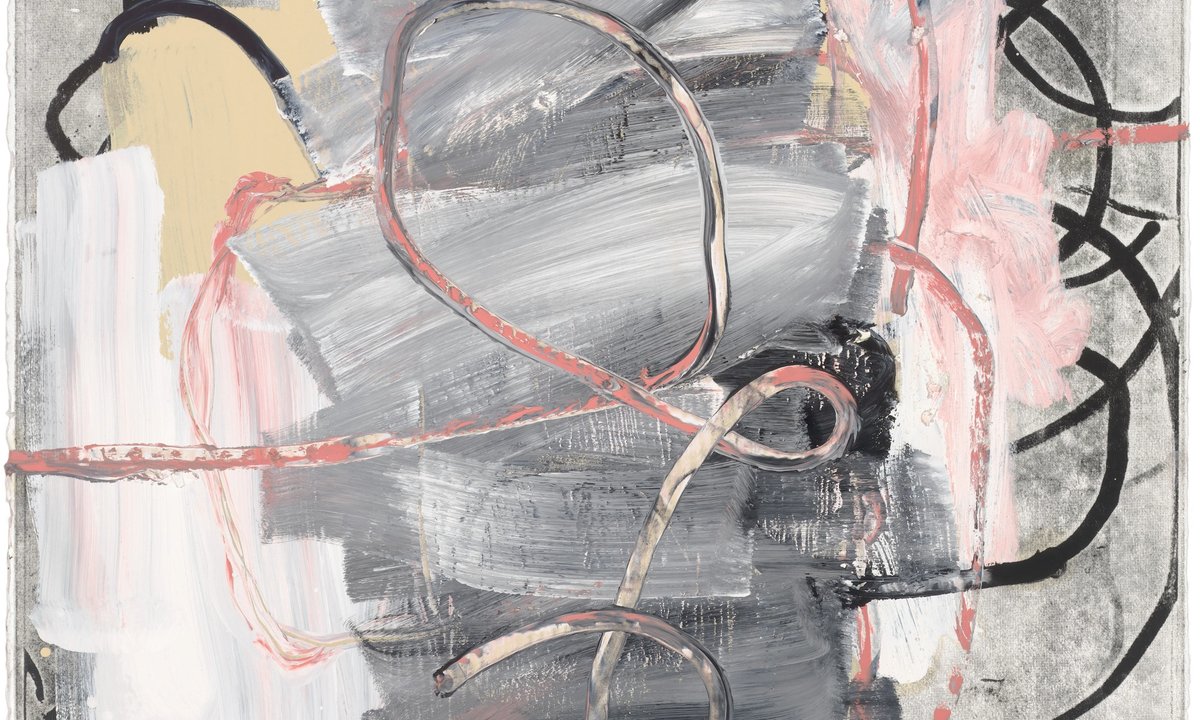
The article argues that contemporary painting has entered a period of stagnation, characterized by bloated, vapid, and market-driven works. The author cites observations from Frieze London and the exhibition "Painting After Painting" at SMAK in Ghent, noting that much recent painting lacks intellectual rigor and emotional depth. A conversation with artist Christopher Wool is referenced, where he contrasts the current lack of critical dialogue with the productive crises of the late 1970s, when painters like Philip Guston faced backlash for challenging conventions.
This matters because painting, once a contested medium forced to defend its relevance, has become too comfortable and uncritical, leading to a decline in quality. The article warns that without ideological pressure or critical debate, painting risks losing its power to provoke and innovate. By invoking historical moments of crisis—such as the shift from Modernism to postmodernism—the author suggests that only through challenge and doubt can painting remain a vital artistic force.