
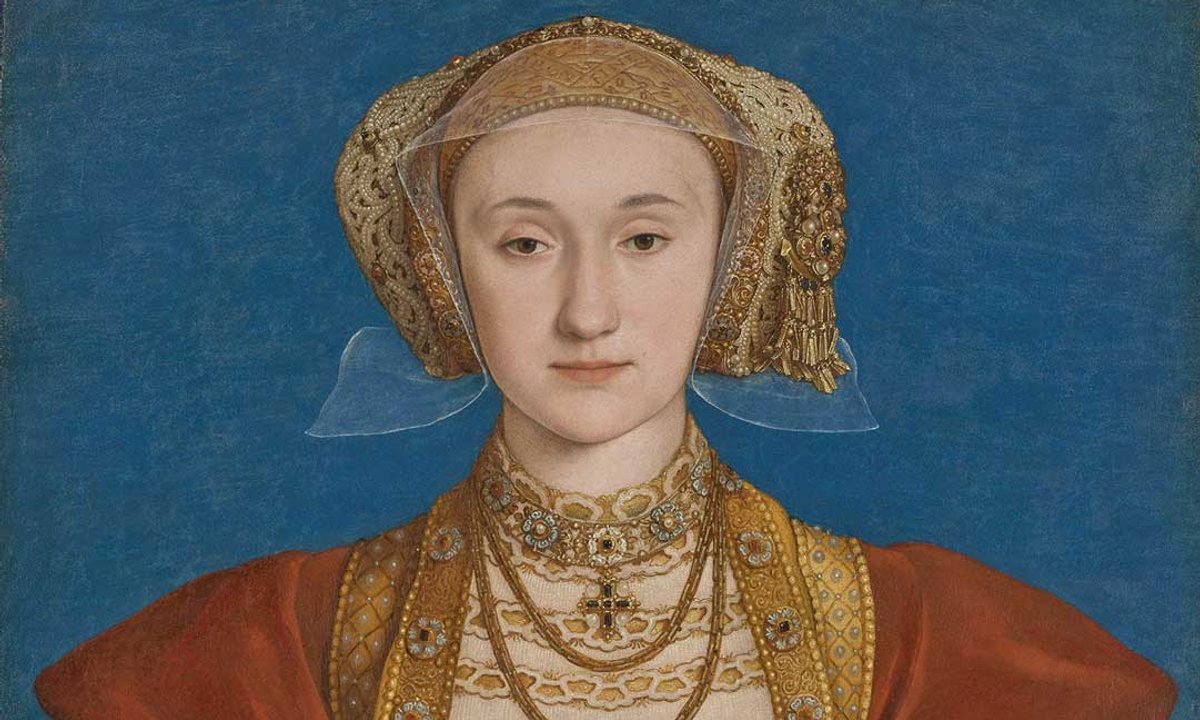
Elizabeth Goldring’s new biography of Hans Holbein the Younger takes a documentary-focused approach, prioritizing archival evidence over visual analysis. The book examines Holbein’s life (1497/8–1543) through chronological chapters, using inventories, correspondence, and other records to correct long-held assumptions and propose new theories about his work. Goldring’s detective work includes identifying the green curtain in Holbein’s portrait of Sir Thomas More as a reference to the sitter’s role as chancellor of the Duchy of Lancaster, and suggesting that a lost painting of the More family was given to Erasmus as a gift.
This biography matters because it shifts the focus from Holbein’s celebrated visual innovations—such as his verisimilitude, archaeological accuracy in *Dead Christ in the Tomb*, and anamorphic perspective in *The Ambassadors*—to the historical and documentary context of his production. By interrogating primary sources, Goldring offers a corrective to art-historical narratives that have relied on speculation, providing a more grounded understanding of Holbein’s career, especially his time at the Tudor court. The book contributes to ongoing scholarly debate and demonstrates the value of archival research in art history.