
La telenovela continua. Il Ministro Giuli diserterà l’inaugurazione della Biennale di Venezia
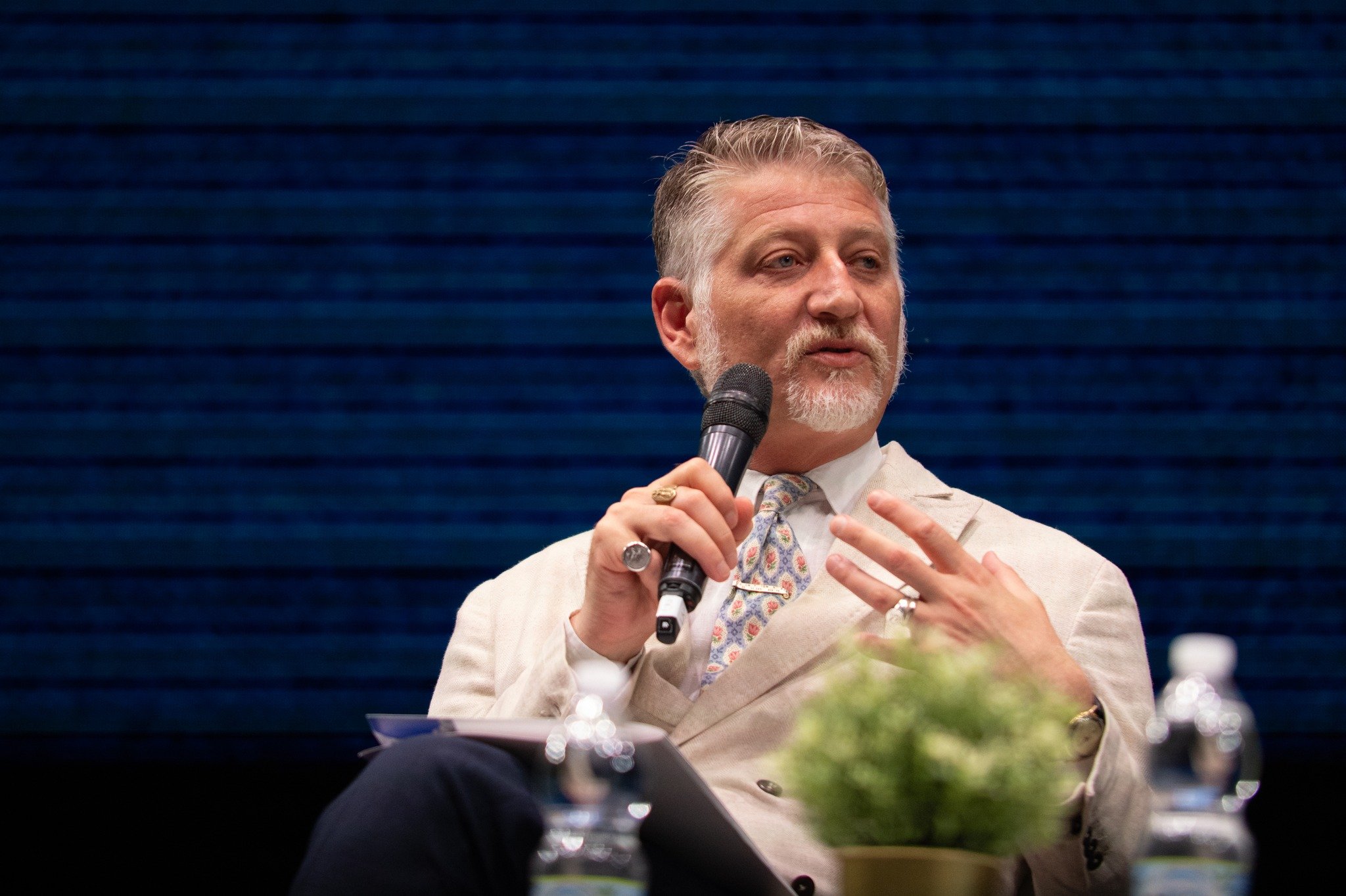
Alessandro Giuli, Italy's Minister of Culture, has announced he will boycott the pre-opening and inauguration ceremony of the 61st Venice Biennale on May 9, 2026, escalating a political and cultural crisis. The dispute began when Biennale president Pietrangelo Buttafuoco allowed the Russian pavilion to reopen, absent since 2022 due to the Ukraine invasion, citing artistic freedom. Giuli demanded the removal of ministry representative Tamara Gregoretti from the Biennale board for failing to oppose the decision. Tensions flared during the Italy Pavilion press conference, where journalists were confined to a separate streaming room and questions were restricted. The European Commission condemned the Russian pavilion's reopening, cutting €2 million in funding and issuing a 30-day ultimatum, while 22 European countries signed a letter pressuring the institution. The Biennale's international jury, led by Solange Oliveira Farkas, then excluded Russia and Israel from award consideration, citing ethical guidelines against countries whose leaders face International Criminal Court charges for crimes against humanity.
This matters because the Venice Biennale, the world's most prestigious art exhibition, has become a geopolitical battleground, reflecting deep divisions over artistic freedom versus ethical responsibility in the context of war and human rights. The boycott by Italy's own culture minister, the EU funding cut, and the jury's exclusion of Russia and Israel signal a crisis of institutional governance and international diplomacy within the art world. The outcome could set a precedent for how major cultural events navigate political pressures, potentially reshaping participation rules and funding models for future biennials.