filter_list Showing 28 results for "Art Fairs" close Clear
search
dashboard All 544 museum exhibitions 250trending_up market 152article news 63article culture 28person people 25article local 11article event 5rate_review review 4article policy 2gavel restitution 2candle obituary 1article events 1
date_range Range Today This Week This Month All
Subscribe

art world acronyms

The article provides a comprehensive guide to essential acronyms used in the art world, explaining what each abbreviation stands for and its significance. It covers organizations like AAM (American Alliance of Museums), AAMD (Association of Art Museum Directors), and ADAA (Art Dealers Association of America), as well as art fairs such as ABMB (Art Basel Miami Beach) and ARCO (Arte Contemporáneo in Madrid). It also includes advisories like AIG (Art Intelligence Global), historical galleries like AIR (Artists in Residence), and defunct fairs like FIAC (Foire Internationale d'Art Contemporain), offering context on their origins and current relevance.
11 Contemporary Emirati Artists To Know

The article highlights 11 contemporary Emirati artists, providing an overview of their practices and significance within the Gulf's evolving art scene. It contextualizes this list against recent major events in the region, including the debut of Art Basel Qatar in early February and the subsequent U.S. attacks on Iran, which caused turmoil across the Gulf, disrupted airline operations, and forced Art Dubai to scale back its event to a smaller fair in mid-May. Artists and galleries in the Gulf also had to temporarily close.

8 gulf artists defining the regions new cultural renaissance

Artnet News profiles eight Gulf artists who are shaping the region's cultural renaissance, including Mohammad Alfaraj and Dana Awartani. The article highlights their growing international recognition, with Alfaraj winning Art Basel Emerging Artist and Gold Awards in 2025 and Awartani exhibiting at the 2024 Venice Biennale. It notes the expansion of major art fairs like Art Basel and Frieze into the Gulf, alongside new homegrown initiatives such as the Diriyah Contemporary Art Biennale and Rubaiya Qatar.

todd von ammon grids galleries fairs column

Todd von Ammon, a young gallerist, critiques the contemporary art market's over-reliance on art fairs and the homogenization of gallery spaces into a sterile, grid-like system. He contrasts this with the lost charm of discovering hidden, architecturally unique galleries in labyrinthine neighborhoods, which he argues fosters a sense of urban belonging and agency for collectors and art workers. The article traces the shift from the rabbit warrens of SoHo to the dense Chelsea gallery district and the rise of the modern art fair, epitomized by Art Basel's expansion to Miami Beach in 2002, which he likens to a pyramid scheme that burdens young galleries with high costs for minimal returns.

simon de pury photos art

The author recounts a visit to the Prado in Madrid, where his attempt to photograph a portrait by Alonso Sánchez Coello was blocked by a guard enforcing a strict no-photography policy. This experience leads him to reflect on the evolution of museum mementos, from postcards—which he used to buy and even had his children select as a curatorial exercise—to the role of social media in sharing art. He recalls his time as curator of the Thyssen-Bornemisza Collection, where postcard sales were a key revenue and popularity gauge, and notes that Instagram now serves as a virtual window into exhibitions and art fairs like Art Basel Miami.

art in america new talent issue 2025

Art in America's 2025 "New Talent" issue features 20 emerging artists chosen by the magazine's editors, including Nico Williams, Bint Mbareh, Justin Allen, Agnes Questionmark, and Brooklin A. Soumahoro. The issue also includes a postmortem on figurative painting by Barry Schwabsky, an essay on spiritual art by Eleanor Heartney, a symposium on art's purpose with seven artists, and a tribute to the late Jaune Quick-to-See Smith by Emmi Whitehorse. Other sections cover Suzanne Valadon, Hito Steyerl's book, and a debate between art fairs and biennials.

Sex Dreams, Piss Takes, and Fake Trends: A Week in the NY Art World With Domenick Ammirati

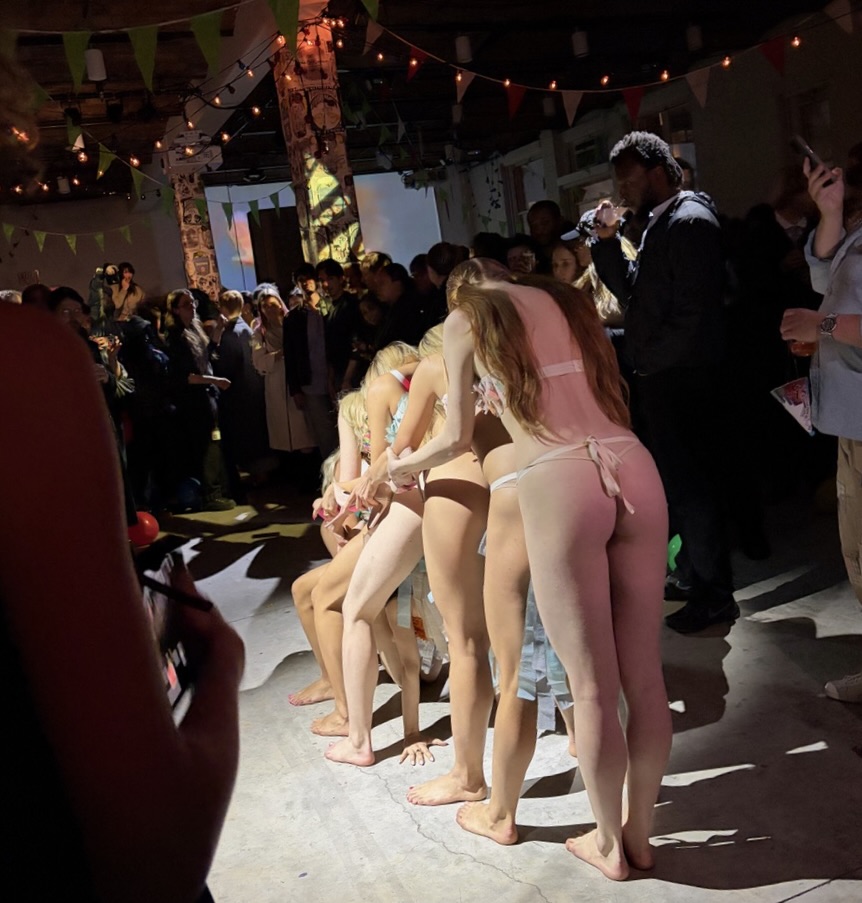
Domenick Ammirati returns to New York after a year-long writing residency in Siena and Provincetown to cover the spring art fairs, including Frieze New York 2026. He observes a notably calm art week, attributing the subdued atmosphere to the fair's proximity to the Venice Biennale, which left key players exhausted. Highlights include a Rei Kawakubo installation at Independent, Gucci's Cruise show in Times Square, and MoMA PS1's 50th anniversary gala, where he mingles with curator Jody Graf and spots Klaus Biesenbach.

‘Like a carefully choreographed performance’: meet the logistics professionals who bring art fairs to life

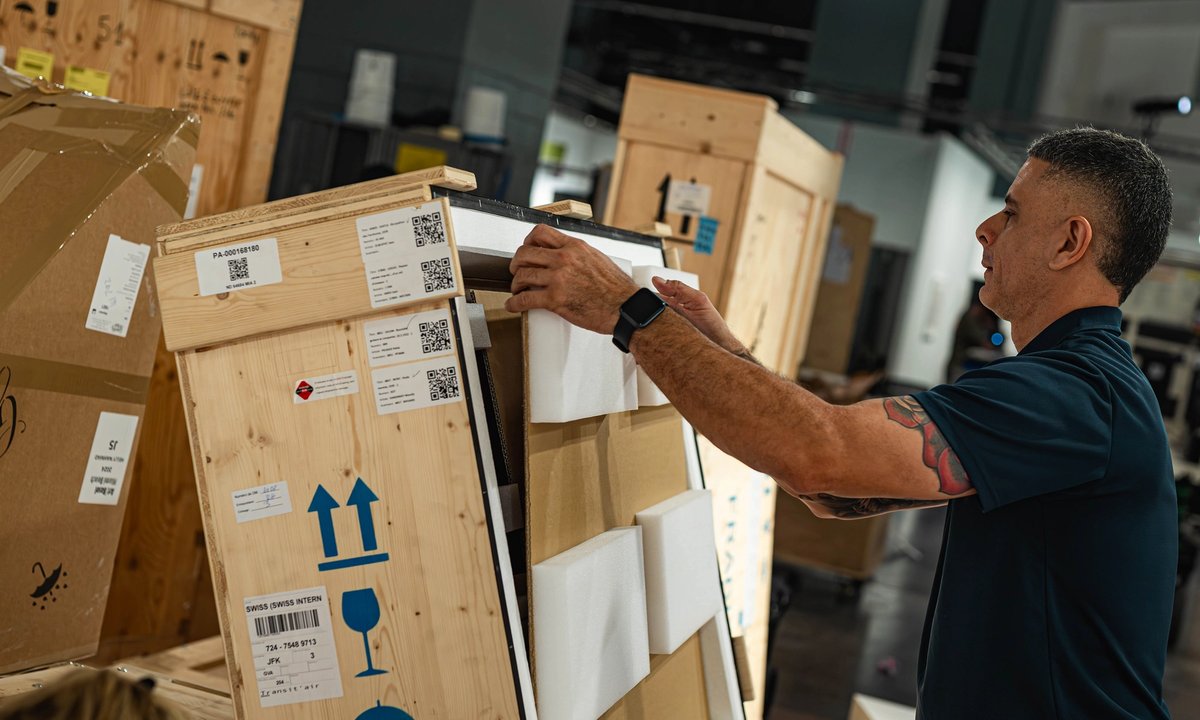
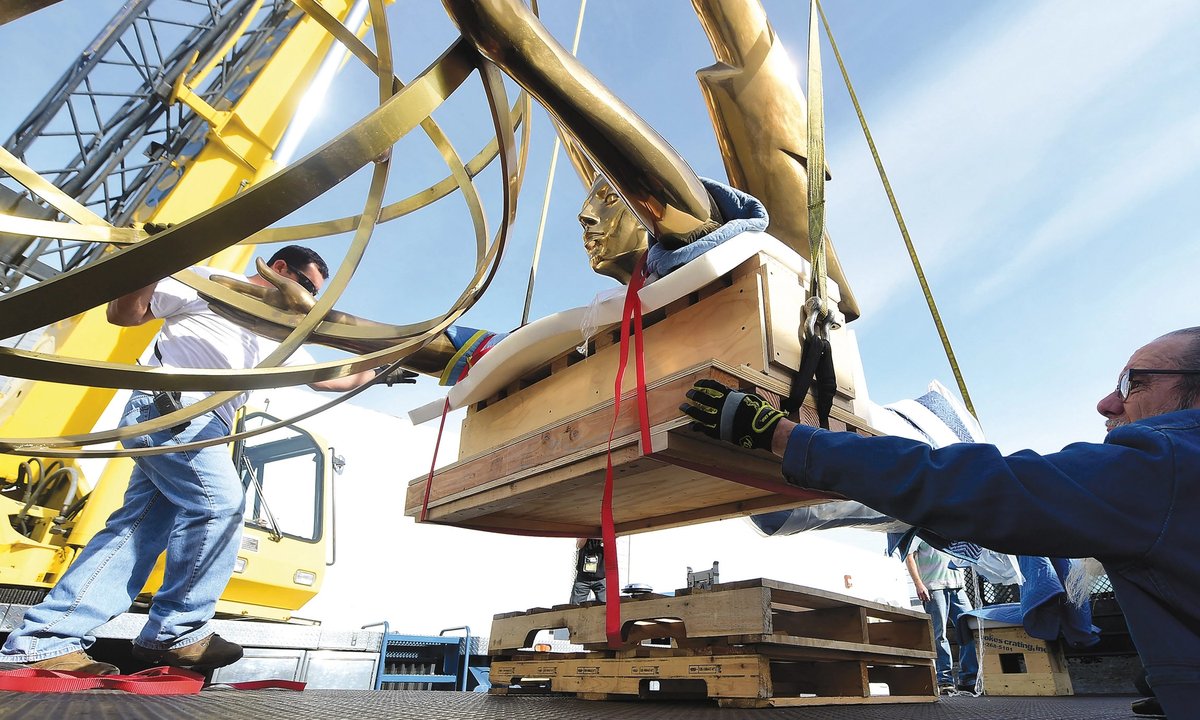
Art fairs appear serene on the surface, but behind the scenes, logistics professionals work frantically to ship, install, and present hundreds of artworks. The article shares dramatic installation tales from galleries and shippers, including Gianpietro Carlesso's heavy sculpture at Frieze Sculpture 2020, a Calder Stegosaurus transported for Art Basel Miami Beach 2013, and Mandy El-Sayegh's immersive booth installation at Frieze London 2023. These stories highlight the challenges of tight schedules, extreme weather, and complex installations that require structural engineers, cranes, and overnight work.

art juliana halpert frieze los angeles 2026

Juliana Halpert, writing for Cultured's Critics' Table, offers a local perspective on Los Angeles's busy February art scene, contrasting the global art-fair circuit with four distinctive local exhibitions. She visits Tanya Brodsky's "Stories of the City" at Campbell Hall school in Studio City, where Brodsky's sculptures engage with Italo Calvino's *Invisible Cities*; the Julia Stoschek Foundation; Amanda Ross-Ho's show; and Rita McBride's exhibition. Halpert uses Calvino's metaphor of Eutropia—a city whose inhabitants cycle through identical suburbs—to critique the repetitive nature of art fairs like Art Basel and Frieze, which travel from city to city with little variation.

Art Problems: Do I Need to Go to Art Fairs?

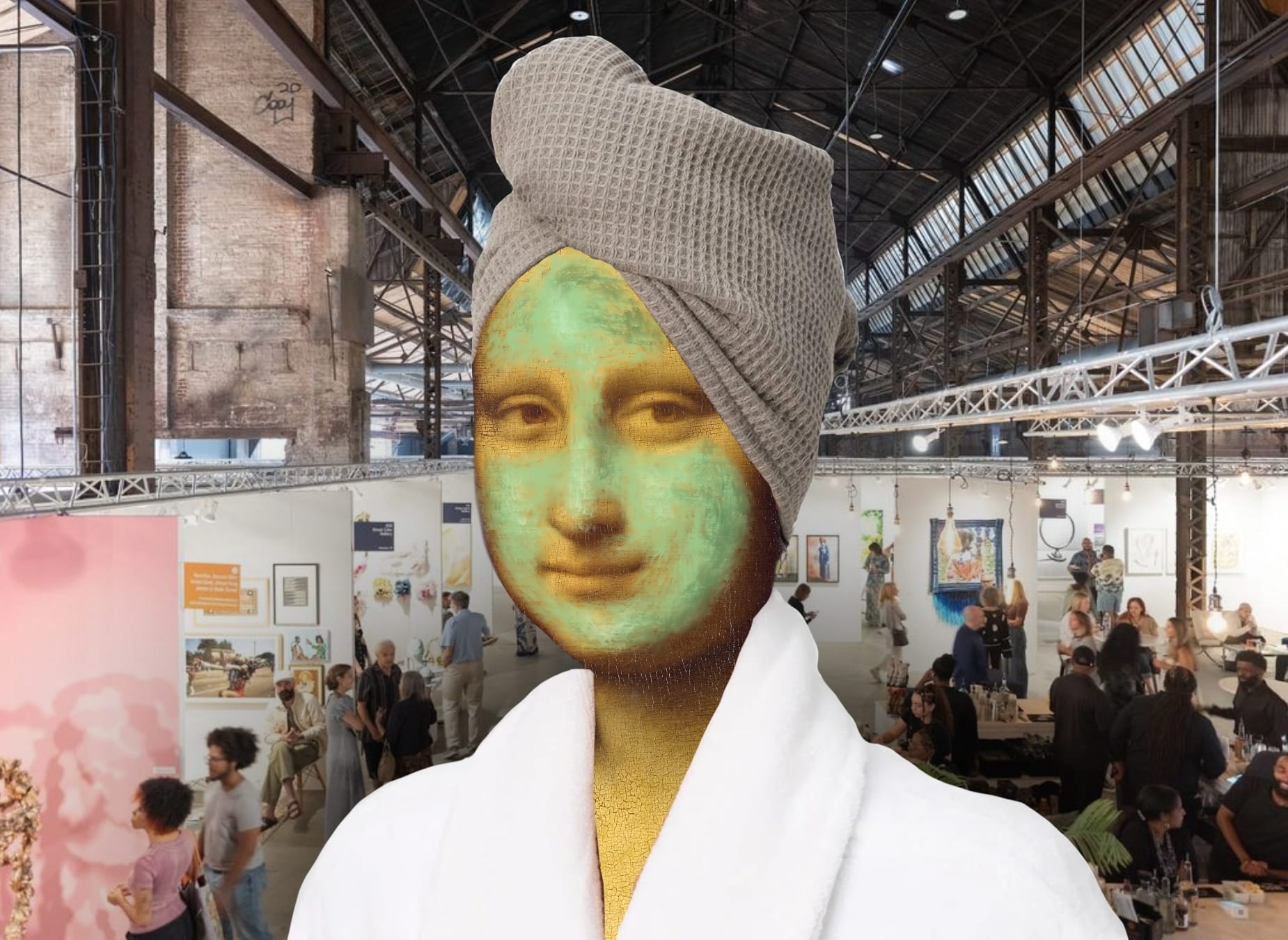
Art critic Paddy Johnson addresses the common dilemma faced by unrepresented artists regarding the necessity of attending major art fairs. While acknowledging that fairs can be physically exhausting and prohibitively expensive, Johnson argues that their true value lies in strategic information gathering and long-term career planning rather than immediate sales or representation.

about last week an orbit through the highs and sighs of new yorks art fair multiverse

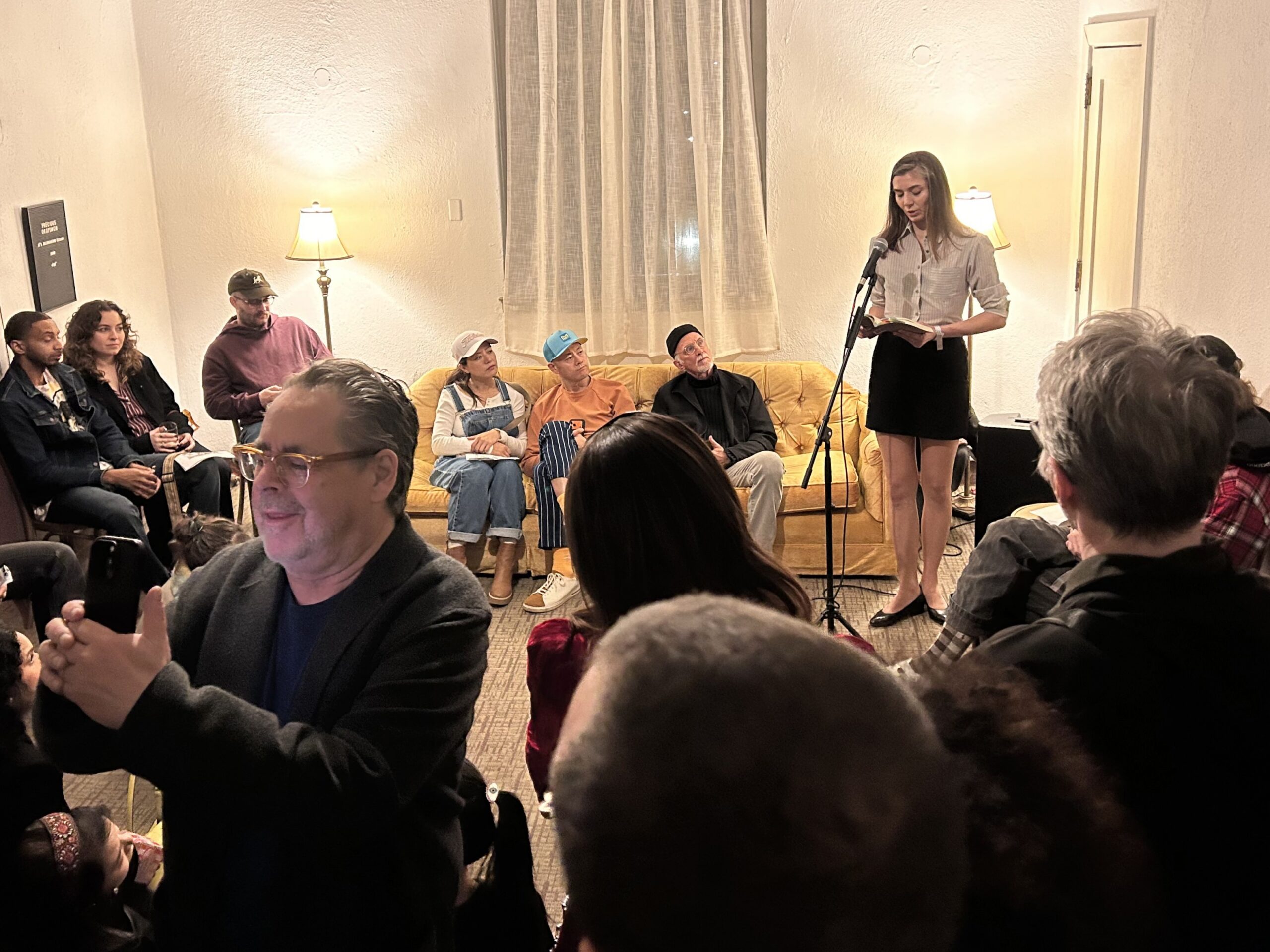
Writer and critic Domenick Ammirati chronicles a whirlwind week in New York during Frieze Week, visiting art fairs, exhibitions, and social events. Highlights include Jeff Koons' Hulk sculptures at Gagosian's Frieze booth, discovering painter Karol Palczak at Emalin gallery, and attending the group painting show "R U Still Painting???" curated by the collective FALCON in a raw Midtown office space. Ammirati notes a subdued, less intoxicated atmosphere compared to previous years, reflecting a broader unease in the art world.

heading to basel swiss collector suzanne syz has a priceless list of fair dos and donts

Swiss collector Suzanne Syz, a longtime attendee of Art Basel since its early days as a "mammoth indoor flea market," shares her insights and advice for navigating the fair. In an interview with Cultured, Syz discusses her collection, which includes works by Barbara Kruger, Julian Schnabel, Olivier Mosset, and Peter Fischli, and offers tips such as skipping long lines, focusing on the Statements section for emerging artists, and trusting gut instincts over spreadsheets. She also highlights the distinct Swiss art scene, praising institutions like Kunsthalle Zürich and MAMCO, and schools like HEAD and ECAL.

Working as an Artist in Hong Kong (Michelle Fung)

Michelle Fung reflects on the realities of working as an artist in Hong Kong, dispelling the romantic myth of the bohemian artist. She describes the city's high cost of living, lack of affordable studio space, and the need for artists to take on multiple jobs—from teaching to selling secondhand handbags—to survive. Fung notes that while Hong Kong offers a vibrant art scene with over 70 galleries and a dozen museums, most artists cannot rely on gallery sales alone. She also critiques the Hong Kong Arts Development Council's grant system, which covers project expenses but provides minimal artist fees, contrasting it with more generous systems in Canada and the Netherlands.

patrick eugene dior lady dior art anniversary

Haitian-American artist Patrick Eugène has been selected by Dior to reinterpret the iconic Lady Dior handbag for the 10th-anniversary edition of its Dior Lady Art initiative. He is one of ten international participants and one of only two U.S.-based artists in the milestone edition, which will premiere at Art Basel Paris later this month before becoming available at Dior boutiques worldwide. Eugène's design draws on his Haitian roots, incorporating leather and textile patchwork, wooden beads, macramé, raffia embroidery, and straw weaving, with a standout feature of woven leather side panels inlaid with pearls referencing Haiti's historic nickname, the "Pearl of the Antilles." The collaboration will also anchor special activations during Art Basel Miami Beach in December.

dear auction execs column

An art world insider publishes an open letter to auction executives, accusing them of encroaching on the primary gallery market by accepting consignments of works by emerging artists and scheduling auctions to coincide with major art fairs. The author argues that auction houses prioritize financial gain over artists' long-term career stability, destabilizing prices and encouraging speculation. They call for auction houses to respect the traditional boundaries between primary and secondary markets, stop glorifying auction prices, and avoid accepting works from recent primary sales.

no artists arent the winners of the new gilded age

The article critiques the current art market frenzy in New York, where fairs and auctions dominate the scene, and argues that the relationship between art and money is being misrepresented in mainstream media. It cites recent op-eds by David Brooks, Tyler Cowen, and Matthew Yglesias, who suggest that wealth inequality benefits artists by boosting the financial returns of fine art. The author counters that these commentators conflate the art market with artists' livelihoods, ignoring the precarious reality most artists face.

the art angle art frames

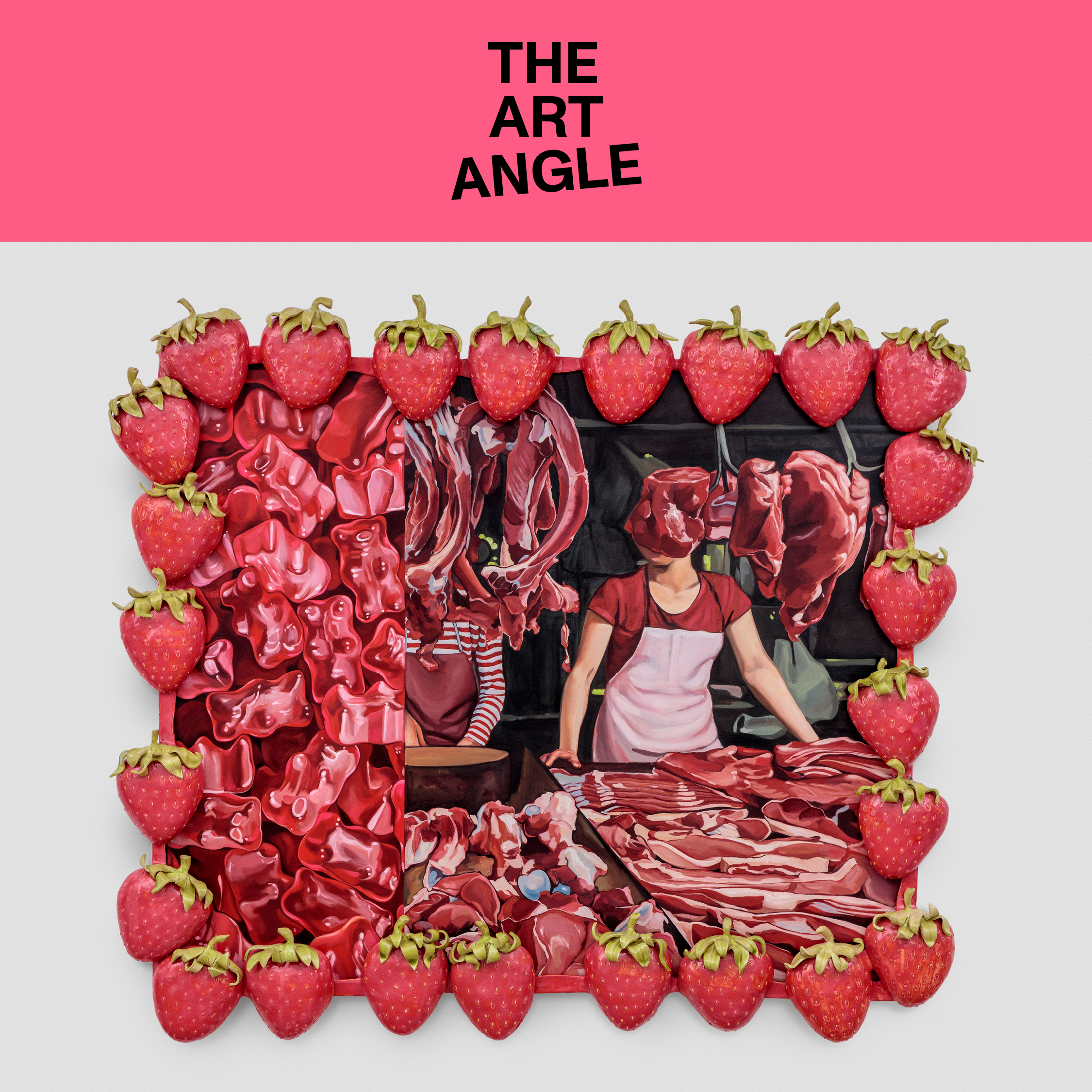
Artnet News published a podcast episode featuring writer and editor Katie White, who discusses her article "Bordercore: Why Frames Became the New Frontier in Contemporary Art." White explores how contemporary artists are reimagining picture frames as surreal, sculptural, and symbolic elements that actively comment on, disrupt, or extend the artwork beyond its traditional boundaries. She cites examples like Stephanie Temma Hier's 2021 work "Sparks and Tremors," which combines oil on linen with glazed stoneware sculpture, and notes that statement frames are increasingly appearing at art fairs and exhibitions after a long period of frameless display.

Frieze in London, Hypha Studios and a Renoir drawing for ‘The Great Bathers’—podcast

This episode of The Art Newspaper's podcast 'The Week in Art' covers three main stories. Host Ben Luke discusses the mood at the Frieze art fairs in London with art market editor Kabir Jhala, amid ongoing debate about the health of the art market. The episode also explores Hypha Studios, a UK initiative that provides free exhibition and studio space to unrepresented artists in vacant properties, which has just launched an online sales platform called Hypha Curates. Finally, the podcast features a 'Work of the Week' segment on a Renoir drawing from the 1880s, a study for 'The Great Bathers,' now on view at the Morgan Library & Museum in New York as part of the exhibition 'Renoir Drawings.'

Comment | Frieze galleries have committed to climate donations—now it's time for the art world to pack in its private jets

A new initiative called 10% Of launches at Frieze London and Frieze Masters, inviting galleries to donate 10% of the sale price of designated works to the Gallery Climate Coalition (GCC), an international art world environmental charity. Nearly thirty galleries have signed up, including Gagosian, White Cube, David Zwirner, and Lisson, with works priced from £3,000 to £150,000. The scheme aims to reframe a standard art market gesture into collective climate action, with participating galleries displaying their GCC membership status on booth signs.

ART CRITICISM: CLARITY OR MORAL AUTHORITARIANISM?

CRÍTICA DE ARTE: ¿CLARIDAD O AUTORITARISMO MORAL?

The article is a critical essay examining the state of contemporary art production in Mexico, arguing it has become a privatized field designed to please wealthy elites and foreign collectors. It contends that art has shifted from being partly publicly funded to being driven by the market and private initiative, leading to a culture of self-censorship, precarity, and a desperate ambition for visibility and sales.

parties cultured at home design paris art basel

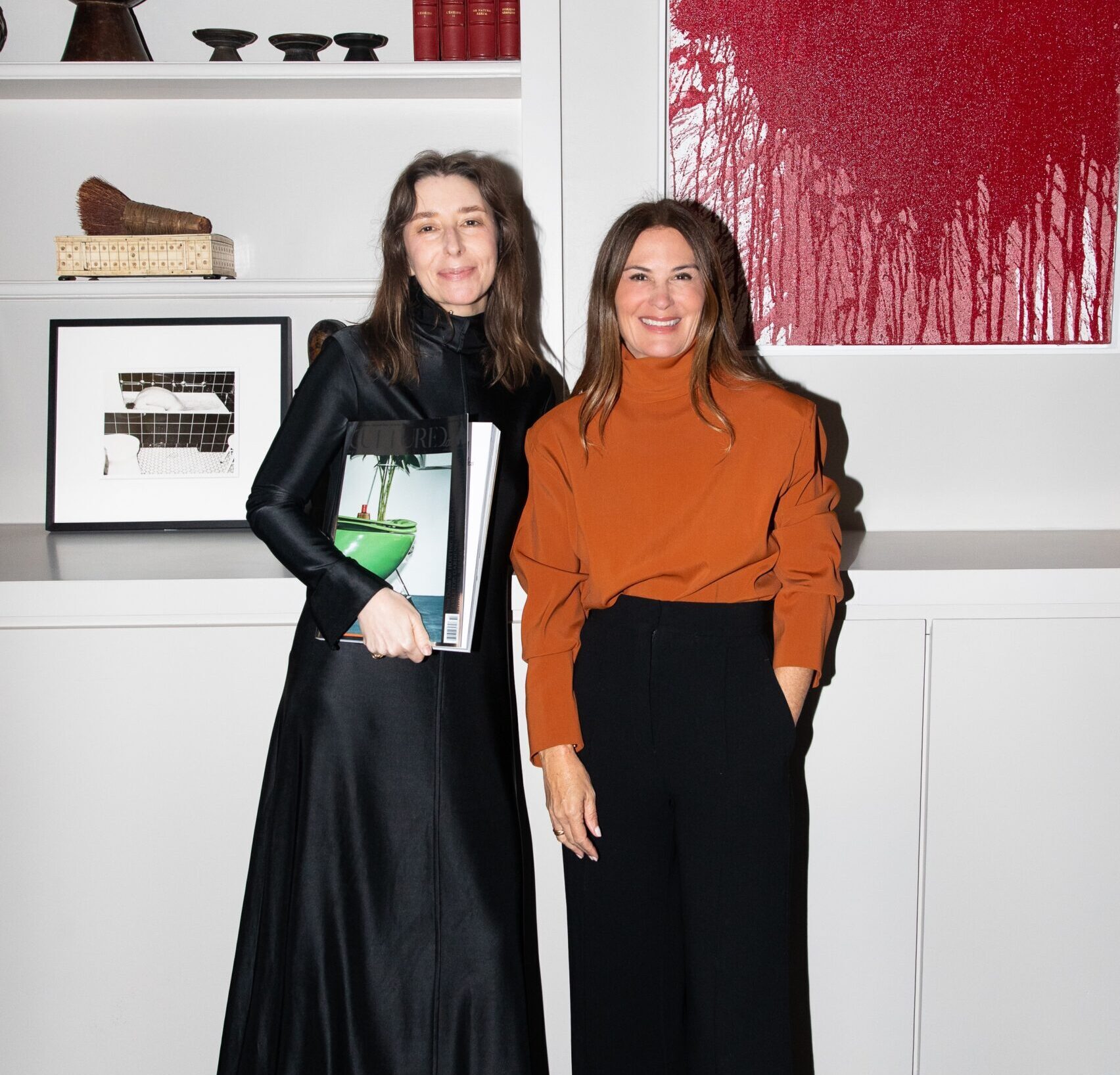
A launch party for CULTURED at Home, the magazine's inaugural design issue, was held at the Paris home of collector and private art dealer Jim Hedges. The event, guest-edited by Alexandra Cunningham Cameron, drew a cross-section of fashion, art, and design insiders, including Hermès’s Nadège Vanhee-Cybulski, artist Mickalene Thomas, and collectors Michelle and Jason Rubell. The party took place during Art Basel Paris and Design Miami, with guests viewing Hedges’s personal collection featuring works by Jack Pierson and Andy Warhol.

art world favorite water brand new collection art themed sparkling beverages

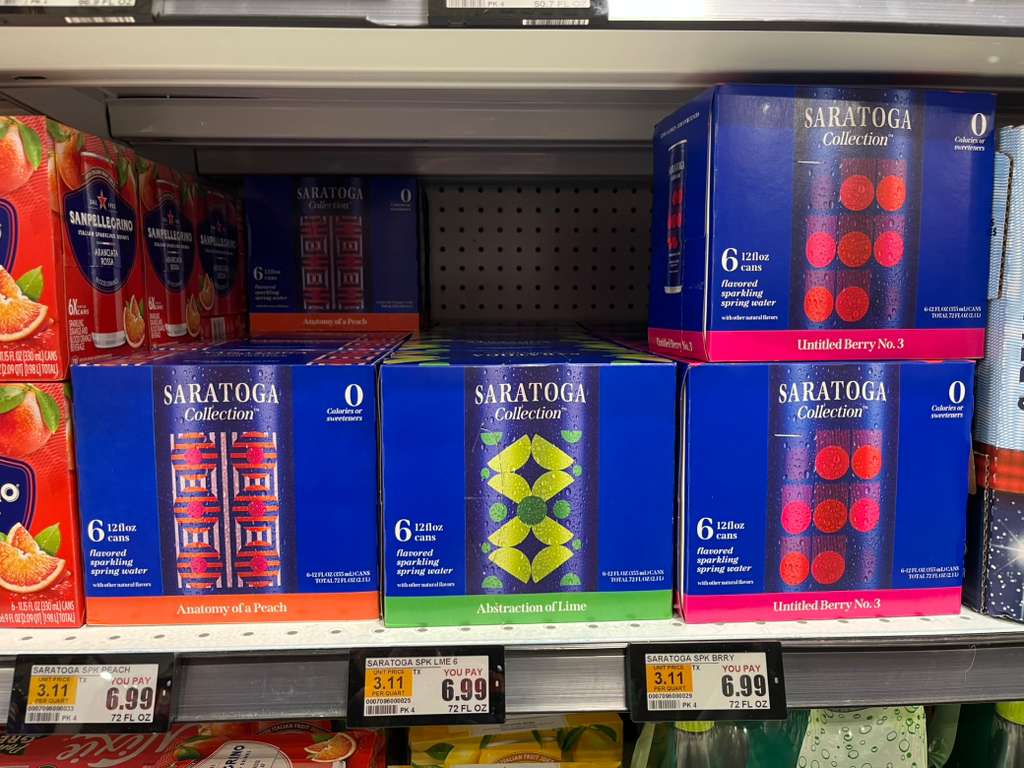
Saratoga, the bottled water brand known for its blue glass bottles and ubiquity at art world events, has launched a new collection of flavored sparkling waters with art-themed names. The three flavors are Abstraction of Lime, Anatomy of a Peach, and Untitled Berry No. 3, each packaged in cans with colorful geometric abstract designs. The brand's marketing leans into art world language, describing the flavors as a "curated blend" and using ornate picture frames in promotional imagery.

The Global Influence of Contemporary African Art

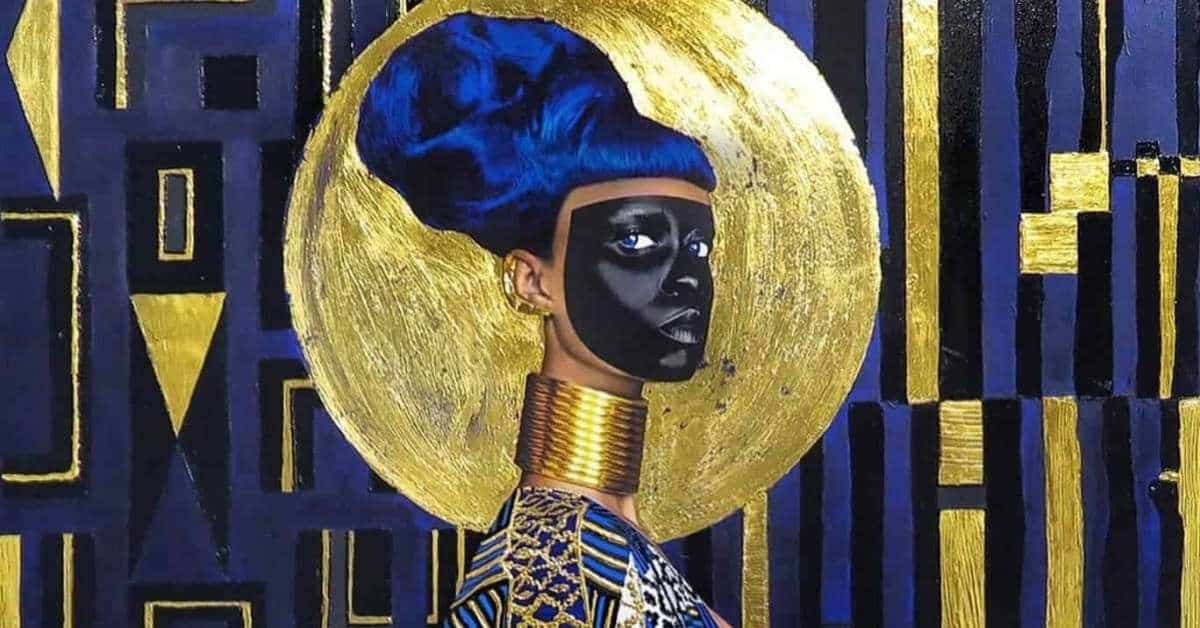
Contemporary African art has transitioned from a niche regional interest to a central pillar of the global art market and institutional landscape. Artists such as El Anatsui, Njideka Akunyili Crosby, and William Kentridge are leading this shift, utilizing diverse media to address universal themes of identity, colonialism, and technology while maintaining deep local roots.

The most beautiful artwork at Frieze London? My newborn

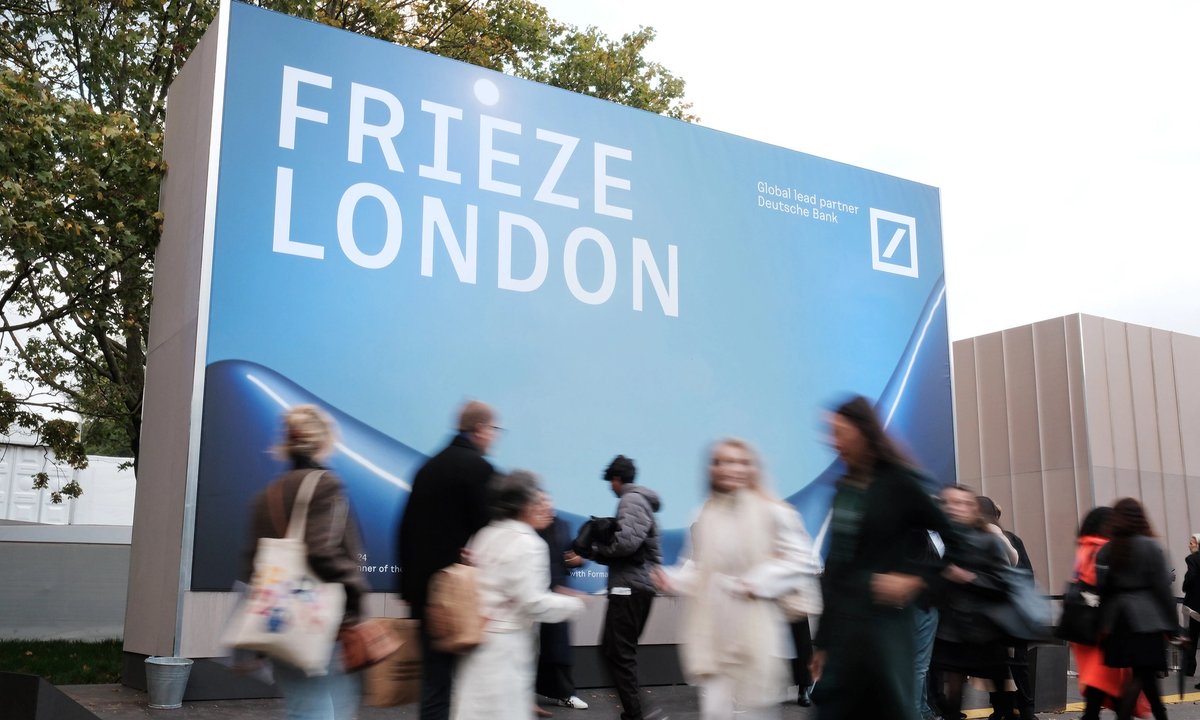
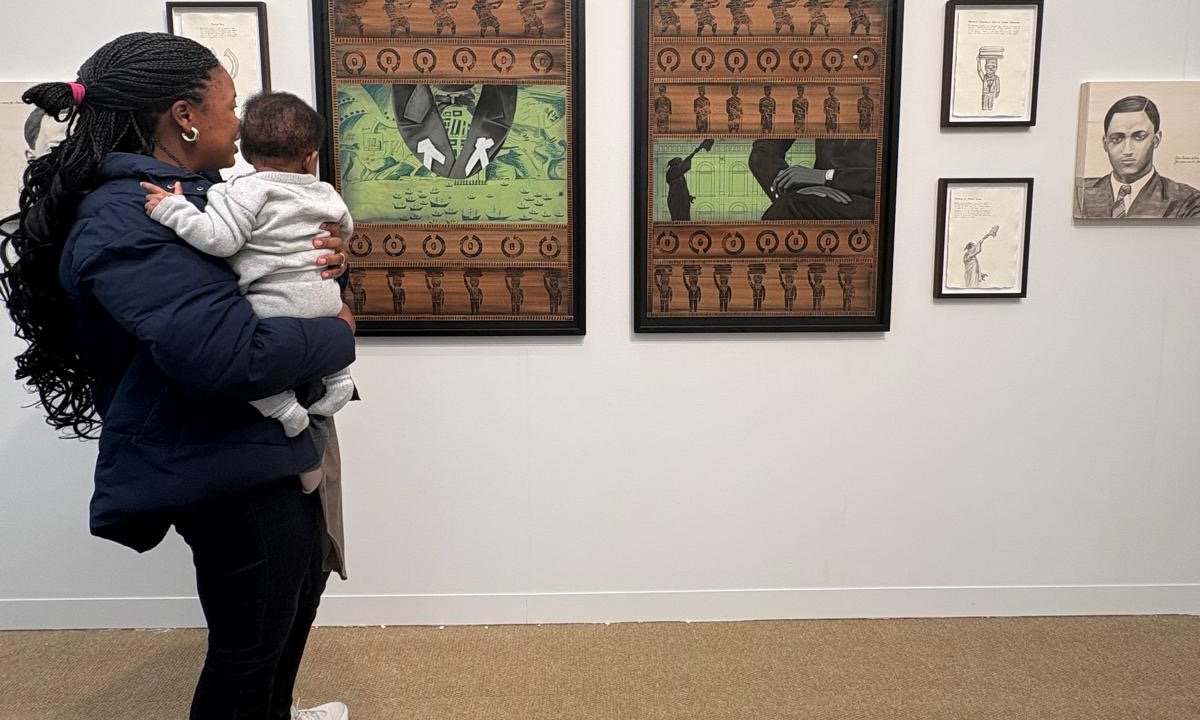
A new mother recounts her chaotic experience attending Frieze London with her three-month-old baby. She struggles to find a private space to breastfeed, is directed away from a stack of chairs reserved for an art installation, and ultimately feeds her baby on a crowded bench near the entrance. After a diaper change, she finally joins a tour of the fair's curated section "Echoes in the Present" and connects with works by artists like Bunmi Agusto.

In Dubai, the art-world panel discussion is re-envisioned

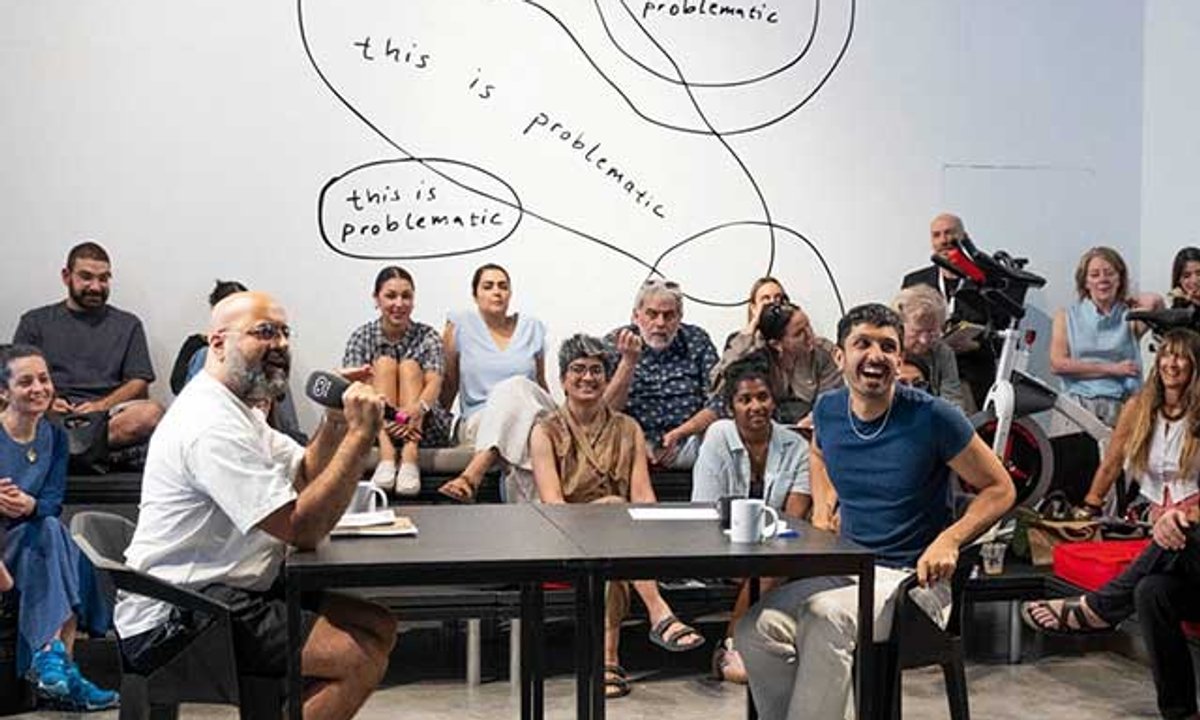
Crit Club, a roving debate series founded by artist and curator Cem A., reimagines the traditional art-world panel discussion by staging face-to-face debates between two figures in a sporting-style arena, complete with absurdist interludes by athletes. Last month, the series invited journalist and art critic to Dubai in collaboration with Alserkal Avenue to debate the motion "Are art fairs relevant?" against artist-turned-dealer Umer Butt, founder of Grey Noise gallery. The debate forced participants to switch sides mid-way, emphasizing that the goal is not to reach a definitive answer but to explore false binaries.

Must-see exhibitions and must-read books on Korean art

The article highlights two must-see exhibitions and two must-read books on Korean art. The exhibition "Scent of Korea in Silla" (June 27–November 30) at Solgeo Art Museum in Gyeongju features four contemporary artists—Park Dae-sung, Songcheon, Park Sun-min, and Kim Min—coinciding with the Asia-Pacific Economic Cooperation forum in October. The books include "Modern and Contemporary Korean Art in Context (1950–Now)" by Jung-Sil Lee and Dong-Yeon Koh (Bloomsbury Academic), which surveys postwar Korean art from ink painting to digital art, and "Art, War, and Exile in Modern Korea: Rethinking the Life and Work of Lee Qoede" by Jinyoung Anna Jin (Amsterdam University Press), which reexamines the life of a Korean painter long misunderstood due to political circumstances.

How can art fairs become greener?

Art fairs face significant sustainability challenges due to their temporary nature. Untitled Art in Miami Beach, held in a tent on the beach, works with environmental departments to ensure zero impact, reusing its tent annually. Fairs in permanent venues like Art Basel Miami Beach at the LEED Silver-rated convention center must manage temporary walls, energy use, and waste. Exhibitors struggle with high carbon emissions—art fair activities account for a third of a gallery's annual emissions—and waste from packing materials. Shipping constraints often force reliance on air freight over slower, greener options like ocean or rail, especially for last-minute, high-value consignments. The competitive, secretive atmosphere further hinders consolidated shipments and sustainable practices.

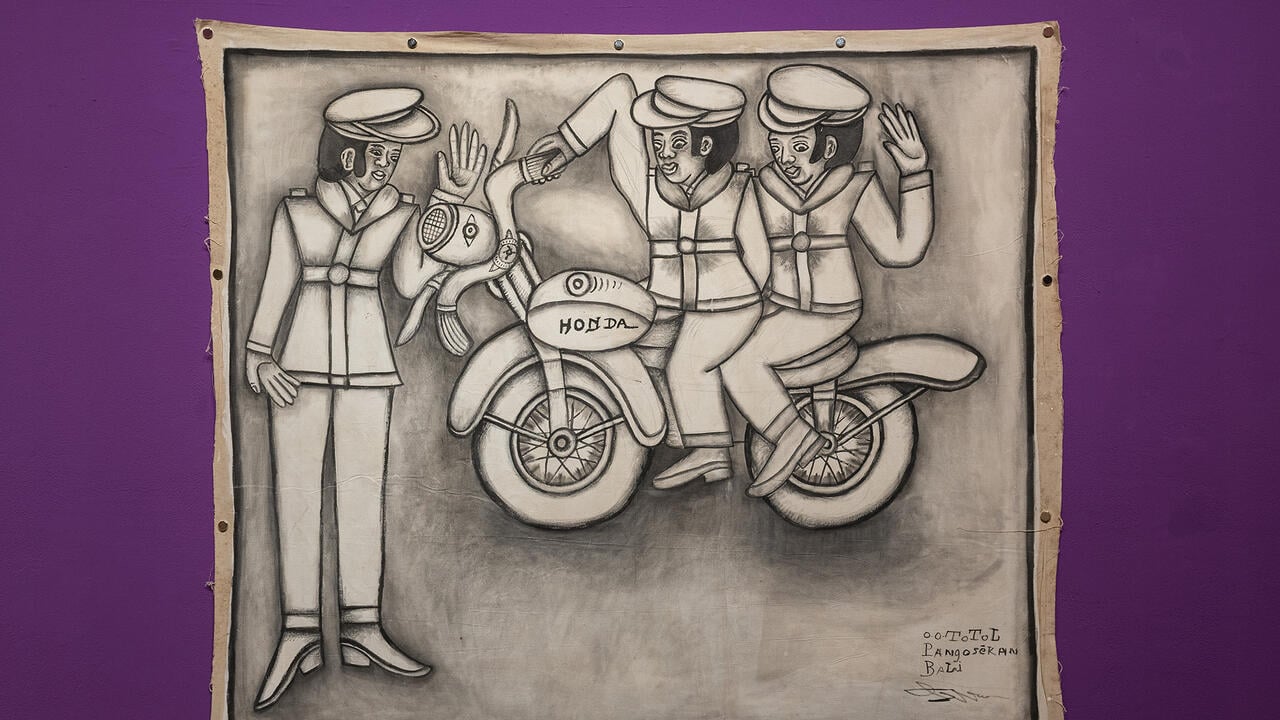
What Oototol’s Art Reveals about Indonesian History

Tara Anne Dalbow explores the emerging trend of 'one-work exhibitions,' where galleries and museums dedicate an entire show to a single masterpiece. This format encourages 'slow looking,' a meditative practice that prioritizes deep engagement and spatial experience over the rapid-fire consumption of images typical of the digital age.