search
dashboard All 1118 museum exhibitions 593article local 186article culture 91article news 77trending_up market 57person people 36candle obituary 28rate_review review 24article policy 20gavel restitution 6
date_range Range Today This Week This Month All
Subscribe

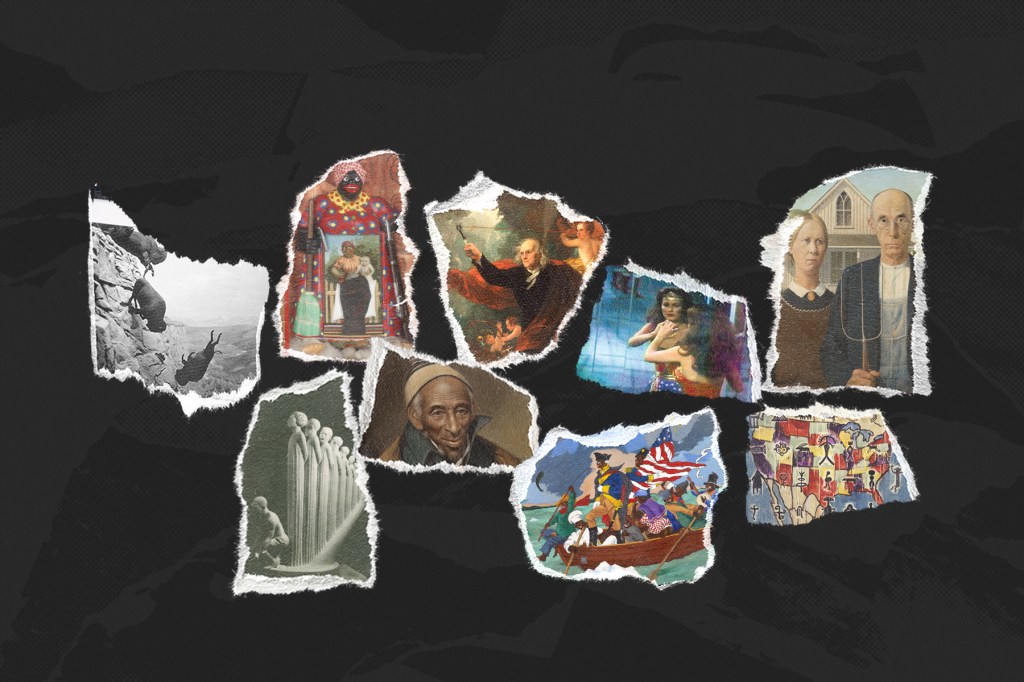
The 100 Best Artworks About America

ARTnews and Art in America have jointly compiled a list of the 100 best artworks about America, selected by their editors. The list spans from before the nation's founding in 1776 to the present day, featuring paintings, sculptures, prints, drawings, videos, films, and digital works. Notable entries include rafa esparza's 2019 performance 'bust: indestructible columns,' which involved chiseling himself out of a concrete Ionic column on the Ellipse near the White House as a metaphor for democracy; Bureau of Inverse Technology's 1997–98 project 'BIT Plane,' a surveillance critique using a radio-controlled aircraft over Silicon Valley; and Bruce Nauman's 1981–82 neon work 'American Violence,' which combines sexual advances and white nationalist imagery.
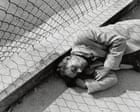

‘A gift that keeps on giving’: the witty world of Lee Friedlander – in pictures

The Guardian published a photo essay celebrating American photographer Lee Friedlander, featuring images from his career spanning the 1950s to the 2010s. The article highlights his new book "Life Still," published by Aperture, which collects over 130 photographs—most previously unpublished—showcasing his signature wit and his eye for the American social landscape, including chain link fences, roadside signs, and still lifes. The piece includes commentary from curator Peter Galassi and notes Friedlander's influences from Walker Evans and Robert Frank.

Phoenix Probably Shouldn’t Exist. But Eric Fischl and Frank Lloyd Wright Make It Feel Like the Future

The article is a personal essay recounting the author's multiple visits to Phoenix, Arizona, in 2025. It reflects on the city's rapid growth, its reliance on air-conditioning and water from the Colorado River, and the surreal abundance of swimming pools. The narrative weaves together observations about the city's landscape, including non-native palm trees, and a dinner with artist Eric Fischl, who was judging an art show at Phoenix College. Fischl's painting "Daddy's Gone, Girl" (2016) is discussed as a key example of his work, which often explores suburban unease.

Fancy a European art break with fewer crowds? Try one of these five cities | Europe holidays

The article highlights five European cities—Zurich, Lille, Warsaw, and others—as alternatives to crowded art capitals like Paris and London for art-focused holidays. It details key museums and galleries in each city, such as Zurich's Kunsthaus Zürich and Löwenbräukunst-Areal, Lille's Palais des Beaux-Arts and LaM, and Warsaw's Museum of Modern Art (MSN Warsaw), along with day-trip suggestions like Baden's Museum Langmatt and Roubaix's La Piscine.

What Was Nigeria’s Osogbo School of Art, and Why Was It So Important?

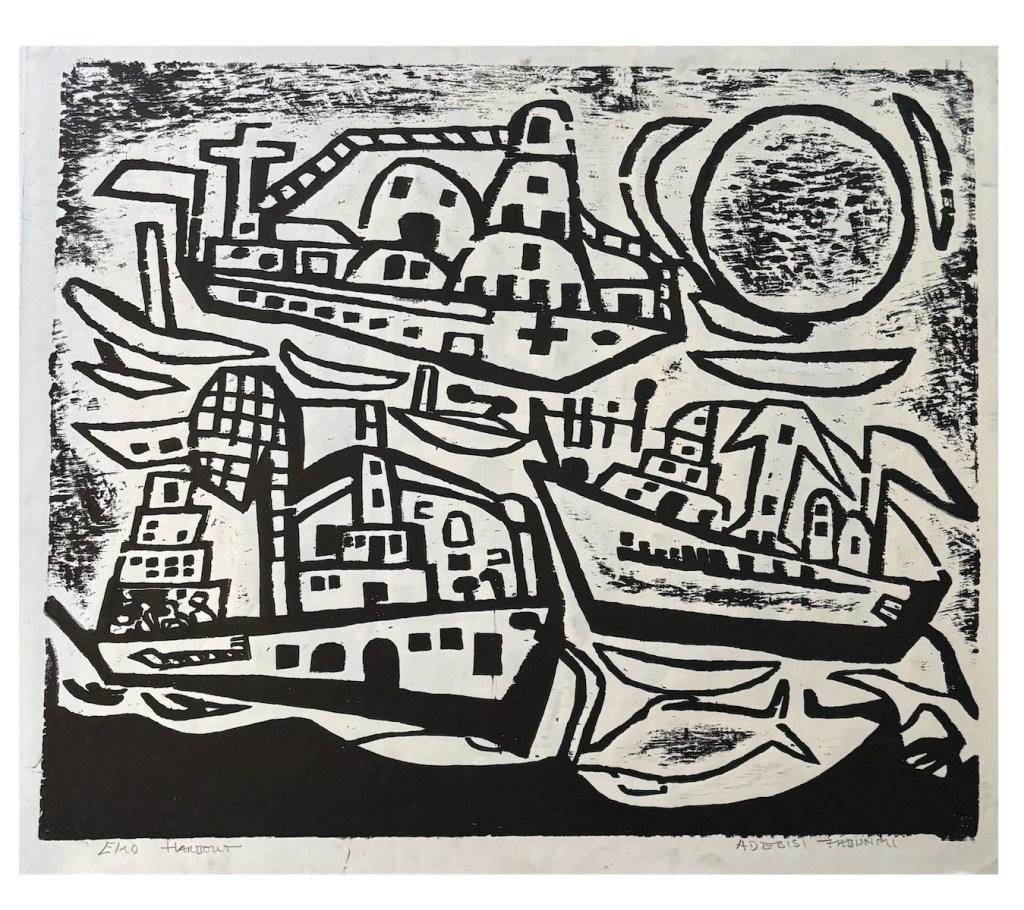
The article explores the Osogbo School of Art, an art movement that emerged in the 1960s in Osogbo, Nigeria, from experimental workshops at the Mbari Mbayo Club, a theater complex founded by playwright Duro Ladipo and German academic Ulli Beier. Facilitated by European figures like Ulli Beier, Susanne Wenger, Georgina Betts Beier, and visiting artists Denis Williams and Jacob Lawrence, the workshops allowed young locals without formal training to develop their own visual art practices, producing works that celebrated Yoruba heritage and individuality. Key artists like Jimoh Buraimoh emerged from the movement, and their works have been shown globally at institutions such as the Institute of Contemporary Arts (ICA) in London, the Studio Museum in Harlem, and Tate Modern's 'Nigerian Modernism' exhibition.

As Full-Time Art Critics All But Disappear, What Can We Learn From the Retiring Generation?

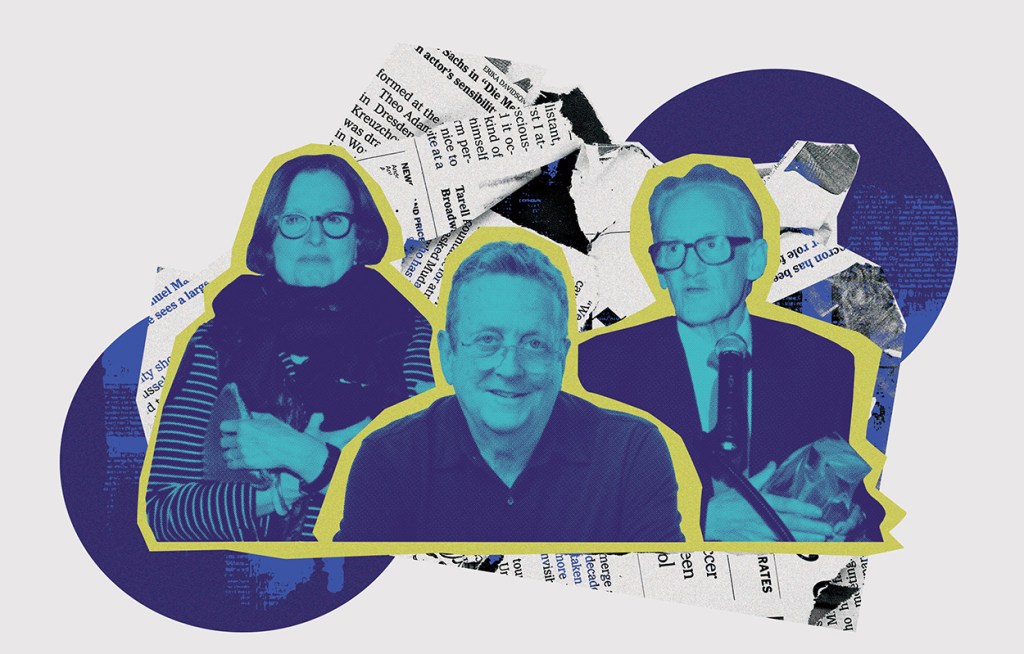
Christopher Knight retired as art critic at the Los Angeles Times at the end of 2025, marking the departure of the last of three major U.S. critics of the postmodern era. Roberta Smith retired from The New York Times in 2024, and Peter Schjeldahl died in 2022. The article reflects on the dwindling number of full-time art critic positions, from an estimated 30 in 2008 to fewer than 10 by 2013, with the trend pointing toward zero. The author, a freelance critic, recounts the accidental path many critics take, the challenges of freelance work, and the value of consistent local criticism, using the example of William Wilson at the Los Angeles Times.

From bikinis to cat bowls: how museum gift stores became the place to shop

Museum gift shops are evolving from simple souvenir stands into curated retail destinations, offering everything from slogan T-shirts and coffee mugs to cat feeding bowls and limited-edition lipsticks. The article highlights examples such as London's National Portrait Gallery selling Marilyn Monroe-inspired cat-eye sunglasses and baseball caps, the Tate Modern offering cat-themed items for Tracey Emin's exhibition, and the V&A selling tote bags and hairspray tied to its Schiaparelli and catwalk shows. This shift reflects a broader strategy by museums to boost revenue through merchandising that interprets exhibitions in creative, non-literal ways.

The Rulers of Venice: In Thrilling Book, Biennale Curators Tell All

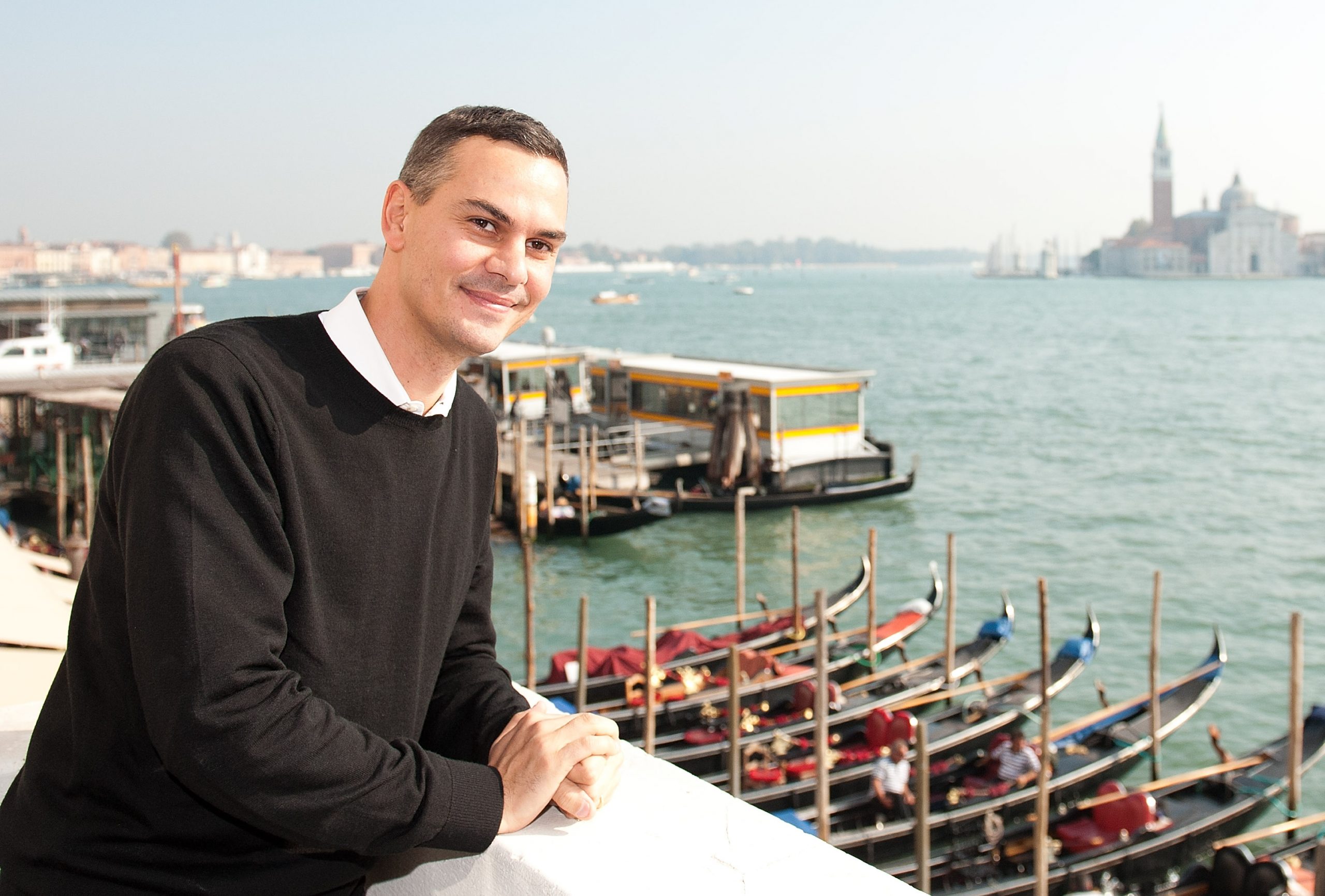
A new book titled "High Waters: An Oral History of the Venice Biennale" (JRP Editions), edited by Massimiliano Gioni, features interviews with 16 of the 17 curators who have organized the main exhibition since 1993. The curators candidly discuss their proposals, challenges, and complaints, particularly about limited budgets, while reflecting on the Biennale's unique international audience, its structure of national pavilions, and the camaraderie that emerges under pressure. Notable figures interviewed include Okwui Enwezor, Daniel Birnbaum, Adriano Pedrosa, María de Corral, Rosa Martínez, Robert Storr, Ralph Rugoff, and Cecilia Alemani.

What We Miss When We Flatten Georgia O’Keeffe Into a Feminist Icon

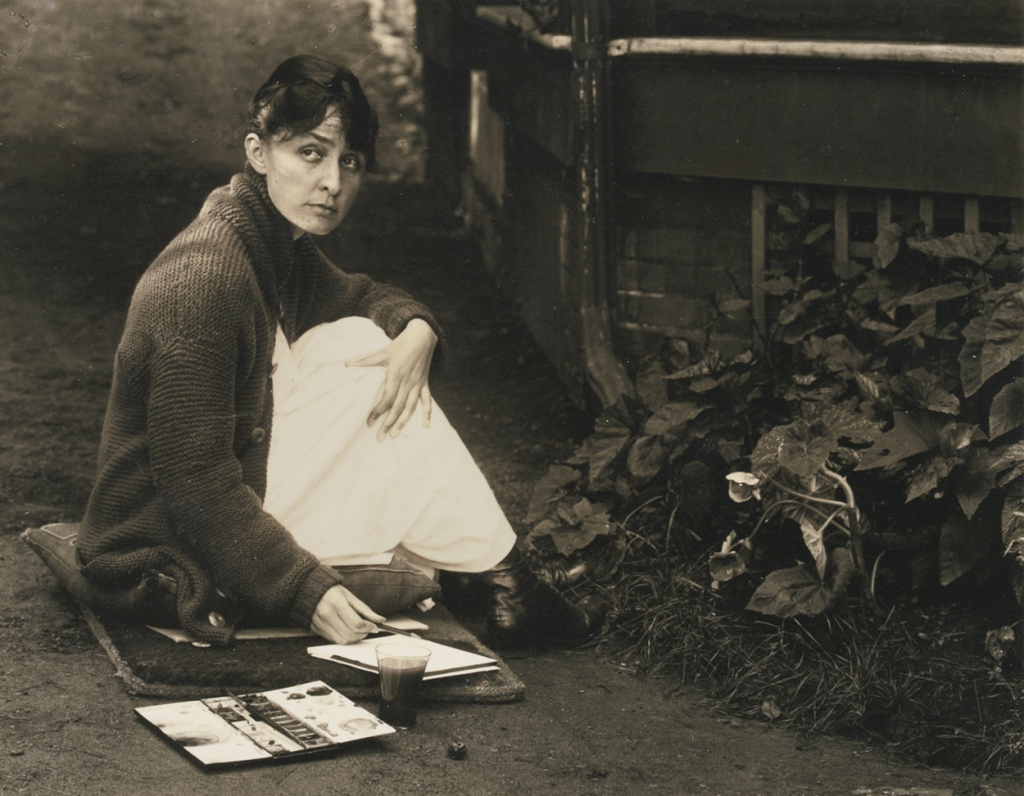
A new documentary, *Georgia O'Keeffe: The Brightness of Light*, directed by Paul Wagner, explores the artist's life and work, but its release timed around Mother's Day sparks criticism for reducing O'Keeffe to a maternal stereotype. The film delves into O'Keeffe's complex relationship with husband and gallerist Alfred Stieglitz, her rejection of sexualized interpretations of her flower paintings, and her determination to prioritize art over conventional womanhood.

A modern Tower of Babel? Pope Leo XIV warns against artificial intelligence

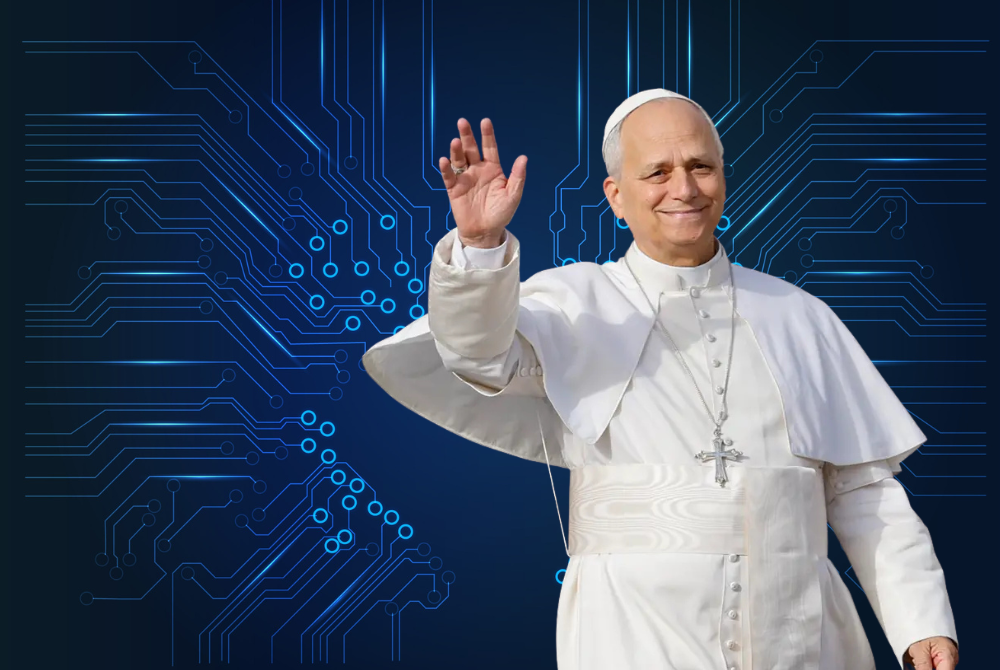
Pope Leo XIV has issued his first encyclical, titled *Magnifica Humanitas*, warning that artificial intelligence poses a major threat to humanity and could lead to a modern Tower of Babel. In the 43,000-word letter, he calls for disarming AI, establishing robust legal frameworks, and regulating tech giants like Meta. He also references Picasso's *Guernica* (1937) as a prophetic work denouncing dehumanization, alongside Beethoven's Ninth Symphony and the novel *Schindler's List*. Separately, the Vatican is expanding its contemporary art program, with a new space called Conciliazone 5 currently showing works by British artist George Rouy, and future exhibitions planned for Yan Pei-Ming and Vivian Suter.

What Arsenal’s League Win Tells Us About Britain – And Art

Clive Chijioke Nwonka, author of *Black Arsenal*, reflects on the intersection of football, art, and race following Arsenal's league win in 2026. In an essay for ArtReview, he discusses a panel at the Royal Academy inspired by Rose Wylie's painting *Yellow Strip* (2006) and highlights a mural of Black Arsenal player Eberechi Eze near Emirates Stadium. Nwonka argues that football art often fails to transcend the racial contradictions of the sport, where Black players are celebrated yet Black people face hatred.

Giovanni Segantini en 2 minutes

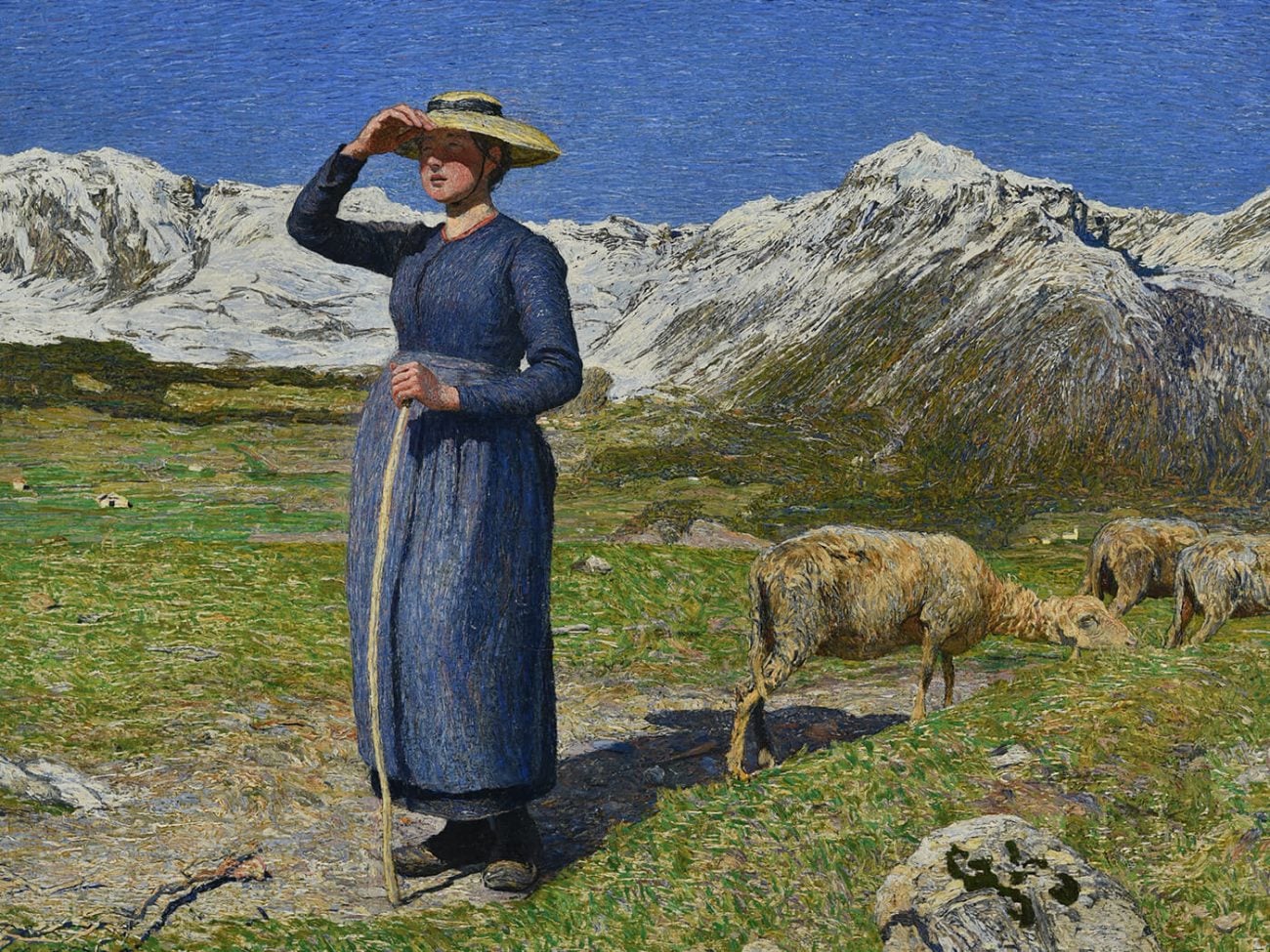
Giovanni Segantini (1858–1899), a key figure in Italian Divisionism and European Symbolism, is profiled in a concise biographical overview. The article traces his life from a difficult childhood in Arco, Trentino, through his training at the Accademia di Brera in Milan, his breakthrough with *Stalles du chœur de Sant'Antonio* in 1879, and his adoption of Divisionist technique in 1886. It highlights his move to the Swiss Alps, his friendship with Giovanni Giacometti, and his creation of major works such as *Ave Maria à la traversée* (1886) and *Midi dans les Alpes* (1891). The piece concludes with his death from peritonitis in 1899 while working on *La Nature* on the Schafberg mountain.

From Van Gogh to Louise Bourgeois, 5 artists who pay tribute to their mother (sometimes in surprising ways)

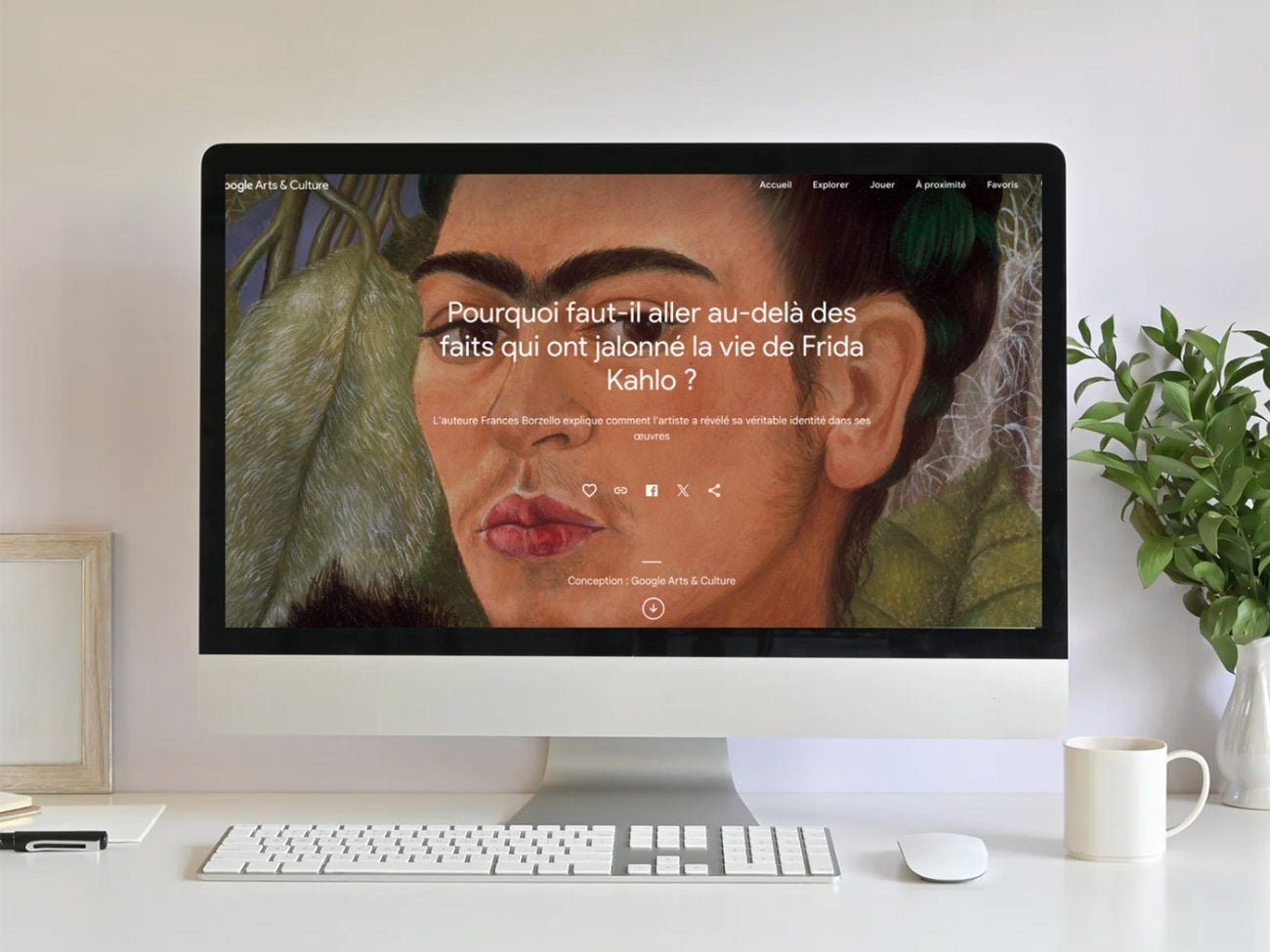
De Van Gogh à Louise Bourgeois, 5 artistes qui rendent hommage à leur mère (parfois de façon surprenante)

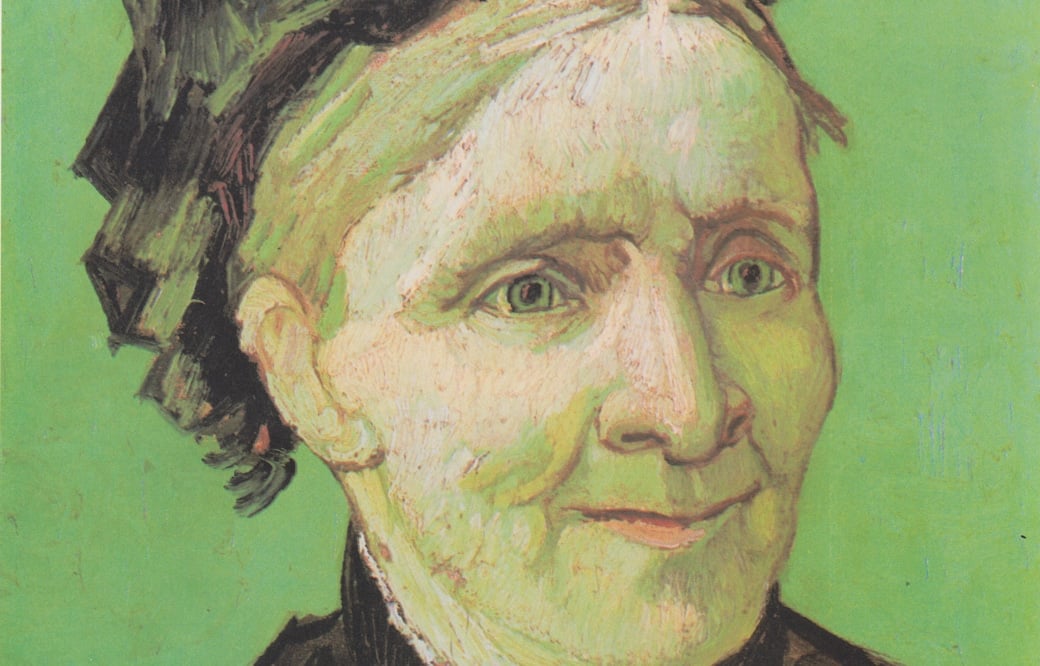
Cinq artistes majeurs — James Abbott McNeill Whistler, Vincent van Gogh, Suzanne Valadon, Louise Bourgeois et Michel Journiac — sont présentés à travers des œuvres qui rendent hommage à leur mère. L'article détaille les portraits intimes réalisés par chacun, comme l'Arrangement en gris et noir n°1 de Whistler, le Portrait de la mère de l'artiste de Van Gogh, ou encore La mère de l'artiste de Valadon, en explorant les relations personnelles et les contextes historiques qui ont nourri ces créations.

Once the Bevilacqua La Masa Foundation of Venice had international appeal. And now?

Un tempo la Fondazione Bevilacqua La Masa di Venezia aveva attrattiva internazionale. E ora?

The article examines the historical and current state of the Fondazione Bevilacqua La Masa in Venice, an institution founded in 1898 through the will of Felicita Bevilacqua to support young local artists excluded from the Venice Biennale. It traces the foundation's evolution from its origins at Ca' Pesaro to its later venues, including Palazzetto Tito and a space in Piazza San Marco, highlighting its role in hosting major exhibitions by artists such as Marlene Dumas, Thomas Ruff, Yoko Ono, and Edvard Munch. The author, who was involved with the foundation from 2002 to 2015, recalls its international appeal and successful partnerships with sponsors and museums.

9 Art Films Worth Watching in June

9 Kunstfilme, die sich im Juni lohnen

This article from Monopol presents nine art films and streaming recommendations for June, including theater recordings from the Berliner Theatertreffen, Ulrike Ottinger's "Berlin-Trilogie," a film about architect Eileen Gray, and the series "Etty" about Holocaust diarist Etty Hillesum. Other highlights include "Peter Hujar's Day" and series for art-crime and fashion enthusiasts, all available on platforms like 3sat, Arte, and Mubi.

Edgar Morin: 'The state of creativity is a particular state of trance'

Edgar Morin : « L’état de créativité est un état de transe particulier »

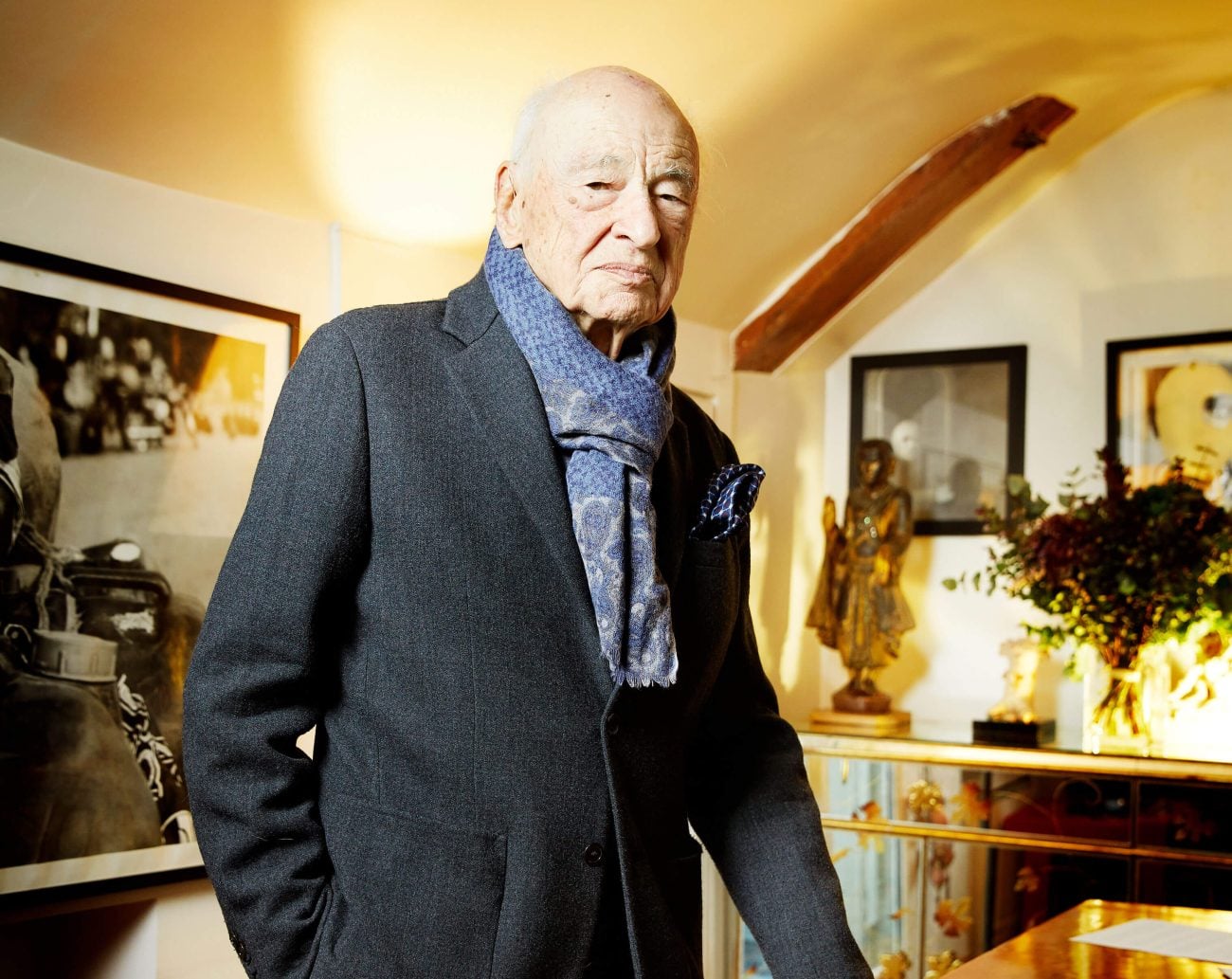
French sociologist and philosopher Edgar Morin, known for his 'complexity theory,' discusses his personal relationship with art in an interview with Beaux Arts Magazine. Morin admits he rarely engages with contemporary art galleries but reflects on his early exposure to the Louvre and his belief that art stems from a shamanic, trance-like creative state. He elaborates on his theory that prehistoric cave paintings, such as those at Lascaux, were created by artist-shamans in a state of creative trance, blending rational correction with ecstatic inspiration.

The 10 Best Art History Websites to Pass Your Exams

Les 10 meilleurs sites d’histoire de l’art pour réussir ses examens

Beaux Arts Magazine has published a guide for French high school and university students preparing for art history and visual arts exams in the 2025–2026 academic year. The article features advice from two experts: Claire Maingon, a lecturer in contemporary art history at the University of Rouen, and Marie-Élise Ho-Van-Ba, a high school visual arts teacher. They recommend a variety of online resources, including museum websites, the BnF photography site, the Centre Pompidou YouTube channel, the Arte series "Atelier A" and "Pionniers, pionnières," Radio France podcasts, and the educational platform "L'Histoire par l'image." The experts emphasize mastering course material, creating traditional study cards, and understanding spatial and temporal context, technique, and formal analysis of artworks.

French Filmmaker Romain Gavras Is Turning the $102 M. Louvre Heist Into a Movie

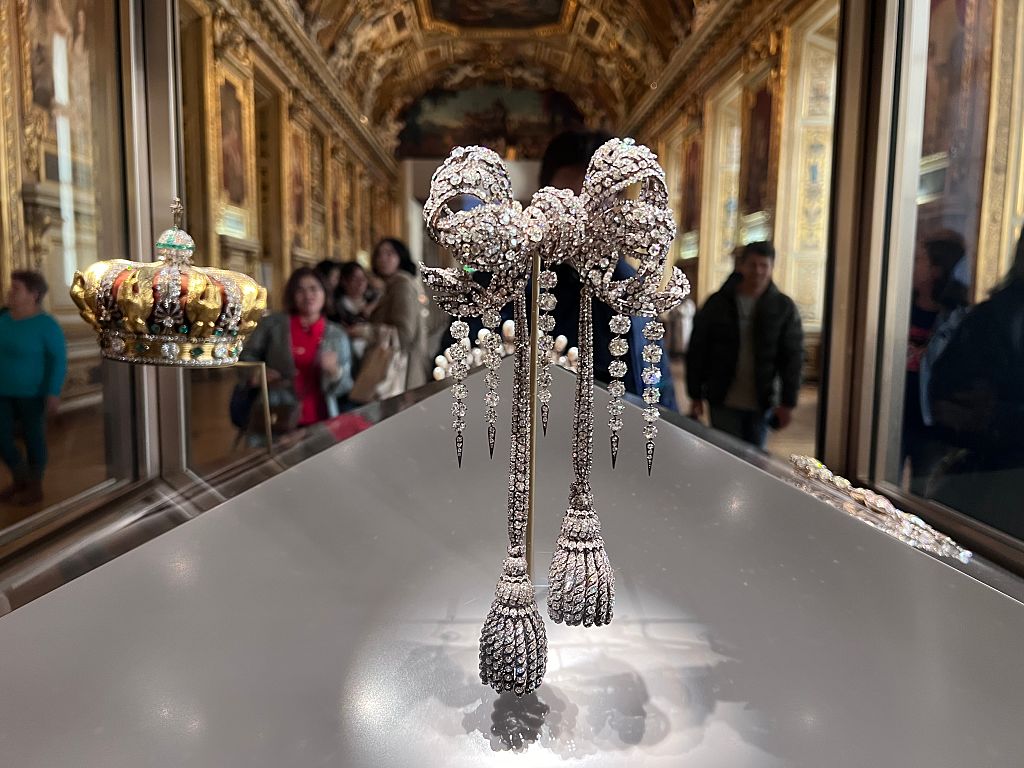
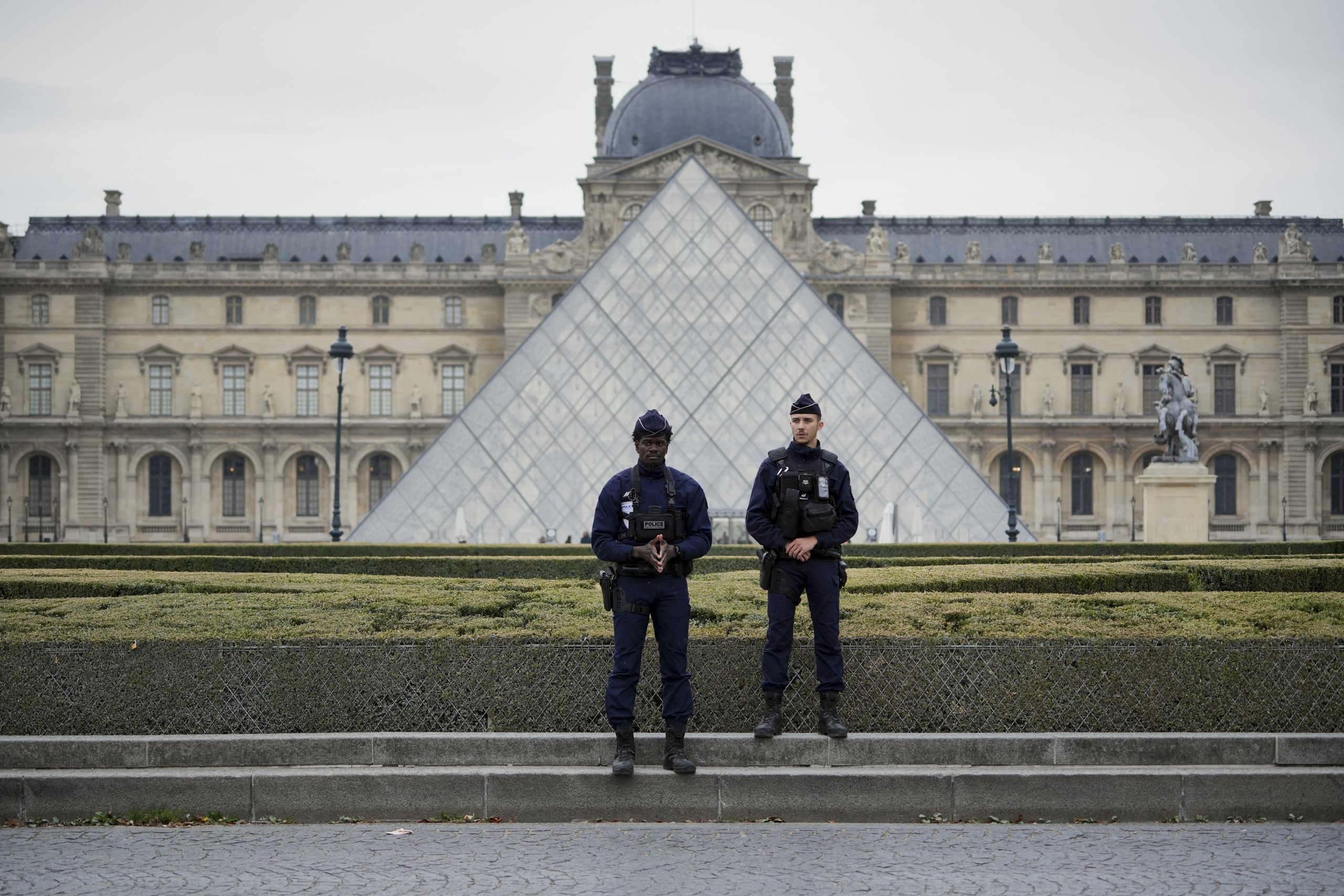
French filmmaker Romain Gavras is set to direct a film adaptation of the Louvre heist, in which thieves stole $102 million in jewels from the museum in broad daylight. The film will be based on the book "Main Basse sur le Louvre" (A Grab at the Louvre), released Wednesday in France by publisher Flammarion, written by journalists from Le Parisien, Le Monde, and Paris Match. Film rights were sold to Iconoclast, the production company behind Harmony Korine films and Gavras's previous works like "Athena" (2022). A separate documentary series about the heist is also in development with a British producer.

Ren Light Pan Dramatizes the Dilemma of the Trans Artist.

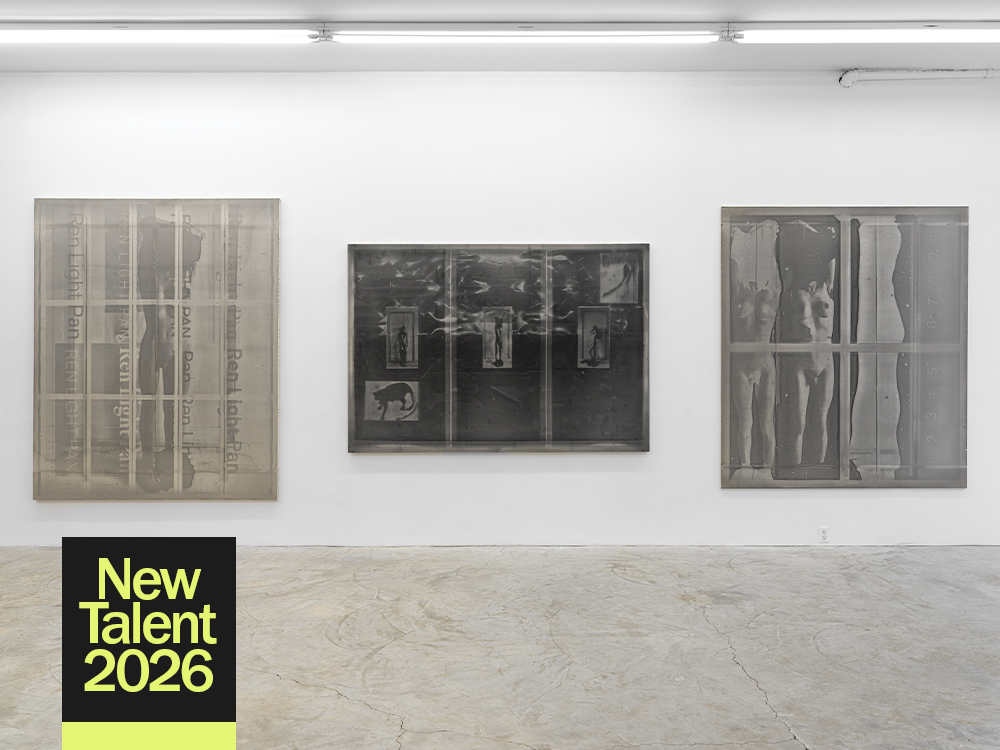
Ren Light Pan, a transgender artist working in a tiny New York studio, creates striking duotone images using a self-invented process involving ink, water, heat lamps, and transparent film. Her recent works center on the classical figure of Sleeping Hermaphroditus, a marble Roman copy of an ancient Greek bronze, which she reproduces from a photograph that includes spectators' legs. Pan's method, which she developed to circumvent perfectionist tendencies, involves suspending a primed canvas over a mixture of ink and water, then applying heat to transfer the image over one to two hours. She has also made works based on her own body, though she has abandoned the durational performance aspect since transitioning.

‘Writing is exactly like love – you need to do it in the dark’: novelist Leila Slimani on why literature is erotic

French-Moroccan novelist Leïla Slimani discusses her residency at Madrid's Museo del Prado, where she draws inspiration from Francisco Goya's Black Paintings for her writing. She reflects on her career, including winning the Prix Goncourt for her novel *Lullaby*, her appointment by French President Emmanuel Macron as a representative for Francophone culture, and the personal trauma of her father's imprisonment that fueled her early writing. The article explores her views on literature, painting, and the erotic nature of writing.

‘It’s the colour and artworks that make my house sing’

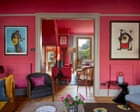
Art collector and author Ruth Evans opens her north London home, a Victorian terrace she has lived in for 30 years, to reveal a vibrant interior filled with bold colors and an extensive art collection. For her third refurbishment, she collaborated with interior designer Mika Burdett to create a space that reflects her life and aesthetic, featuring works by Julian Opie, Howard Hodgkin, Joan Miró, Andy Warhol, Maggi Hambling, and others. The redesign focused on spatial planning, storage, and flow, with a new window, removed walls, and a kitchen tailored to her needs, including a pet flap and display cases.

Jackson Pollock Transformed American Art—and Was Destroyed by His Own Success

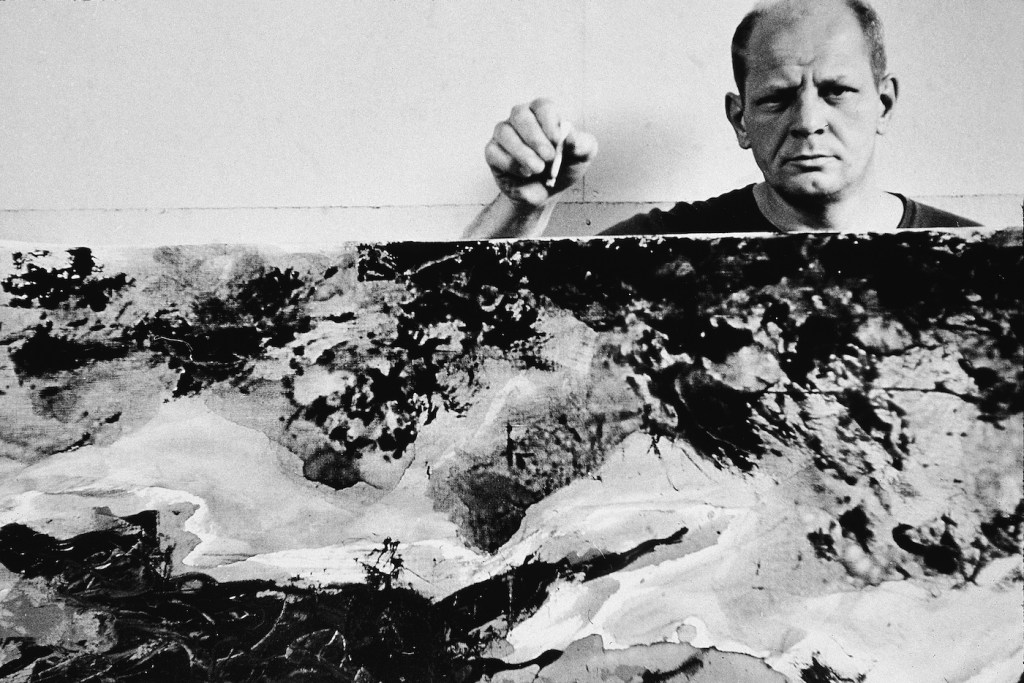
The article traces Jackson Pollock's transformative yet destructive rise to fame, focusing on his move to East Hampton with Lee Krasner, his development of drip painting in a small unheated barn, and the influence of predecessors like Janet Sobel and Max Ernst. It details his 1948 debut at the Betty Parsons Gallery, the mocking 1949 Life Magazine feature that ironically catapulted him to celebrity, and photographer Hans Namuth's documentation of his process, which revealed the deliberate nature of his technique.

From an Artist to His Dealer

D’un artiste à son marchand

A new book titled "Miró-Loeb. Correspondance. 1926-1936" has been published by Éditions Norma, presenting the previously unpublished correspondence between Spanish painter Joan Miró and his Parisian dealer Pierre Loeb from 1926 to 1936. The volume includes photographs, reproductions of artworks, an illustrated record of Miró's exhibitions at Galerie Pierre, a prologue by art historian Joan Punyet Miró (the artist's grandson), and contributions from Albert Loeb (Pierre's son) and Sonia Loeb (his granddaughter), contextualizing a decade of exchanges amid cultural ferment and rising tensions. The book also features sparser letters from 1945 until Loeb's death in 1963, tracing the evolution of their relationship.

AGAINST "SEX AND THE CITY": FÉLIX GONZÁLEZ-TORRES, BORIS TORRES, CARLOS MOTTA AND RAÚL DE NIEVES AGAINST THE MYTH OF NEW YORK

EN CONTRA DE “SEX AND THE CITY”: FÉLIX GONZÁLEZ-TORRES, BORIS TORRES, CARLOS MOTTA Y RAÚL DE NIEVES FRENTE AL MITO DE NUEVA YORK

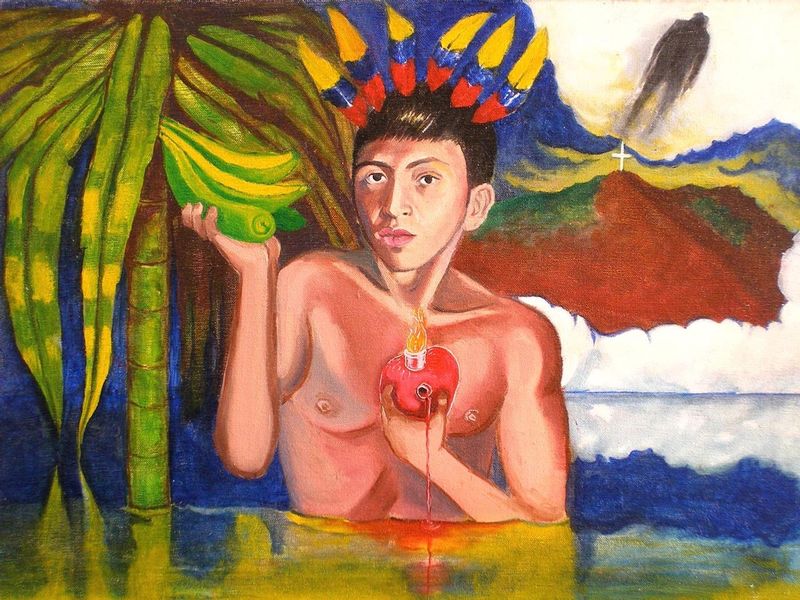
This essay examines how four queer Latin American artists—Félix González-Torres, Boris Torres, Carlos Motta, and Raúl de Nieves—experienced New York City as a complex, ambivalent space, contrasting their realities with the glamorous, aspirational myth popularized by the TV series *Sex and the City*. For these migrants, New York was neither a promised land nor merely a site of exploitation; it was a place where desires suppressed in their home countries could find expression, yet also a terrain of constant negotiation with identity, precarity, exclusion, and belonging. The article traces how each artist navigated the city's social, economic, and political tensions while producing work that kept Latin America present as memory, materiality, and conflict.

The Cruise collections of major fashion houses are full of art

Le collezioni Cruise delle grandi maison di moda sono piene zeppe di di arte

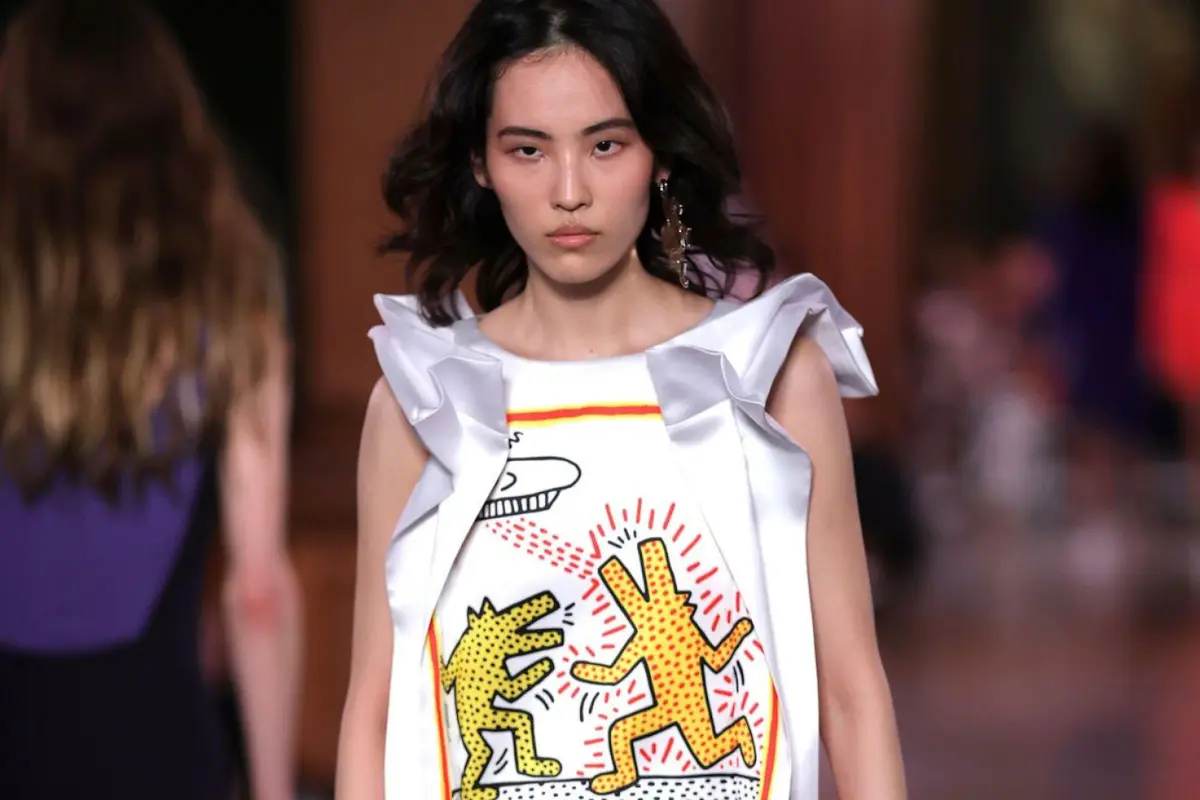
The article examines the evolution of Cruise (Resort) collections in luxury fashion, tracing their origins from early 2000s elite travel wear to today's global cultural spectacles. It highlights how these pre-summer collections have shifted from being presented in fashion capitals like Paris to economic hubs such as Seoul and Dubai, and now back to Europe and the United States, where cultural capital is paramount. The piece focuses on the 2027 Cruise collections, notably Louis Vuitton's show at the Frick Collection in New York, which features a collaboration with the Keith Haring Foundation and includes a graffiti-trimmed suitcase from 1984 recently acquired at auction.

The Art System and Artificial Intelligence according to Pope Leo XIV

Il sistema dell’arte e le Intelligenze Artificiali secondo papa Leone XIV

Pope Leo XIV's encyclical "Magnifica humanitas," released on May 15, 2026, addresses the relationship between human creativity and artificial intelligence. The document argues that delegating creative tasks to AI weakens personal judgment and creativity, calling for a "fast from AI." It compares software developers to artists, asserting that algorithmic design is a cultural act, not merely a technical one. The encyclical warns that AI can simulate but not create, as it lacks genuine experience of the world, and cautions that the creative industry risks being dismantled and replaced by anonymous, AI-generated content.

A pop-up hotel format is born that focuses on culture: starting in an architecture in Arles, France (with photos by Carla Sozzani)

Nasce un format di hotel pop up che punta sulla cultura: si inizia in un’architettura di Arles in Francia (con le foto di Carla Sozzani)

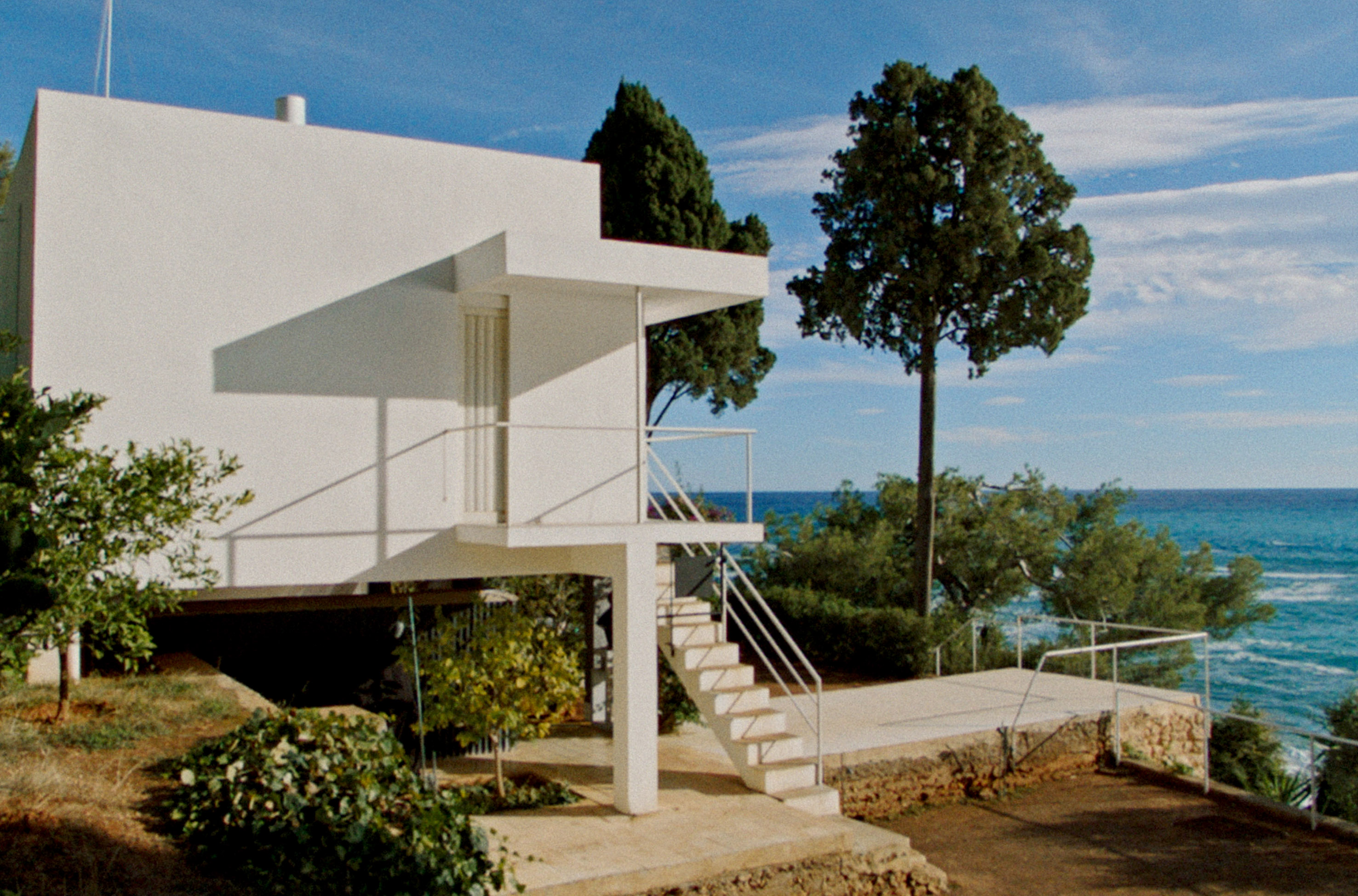
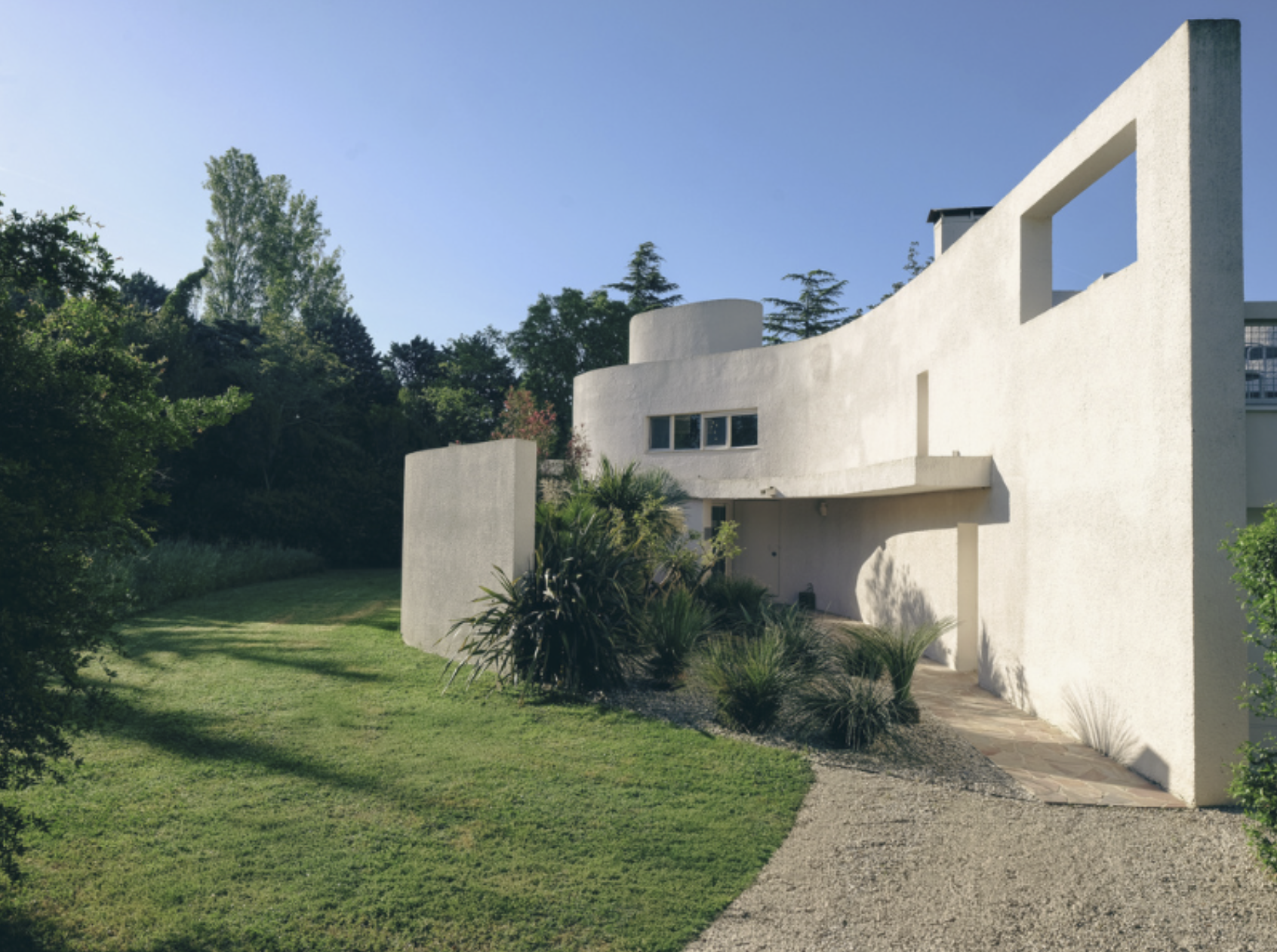
Luca Pronzato, founder of the pop-up restaurant platform We Are Ona, is launching a new itinerant hospitality concept called Casa Ideale. The first edition will take place from July 1–10, 2026, at Villa Bank, a 1970s villa near Arles, France, designed by Emile Sala and protected as a Remarkable Contemporary Architecture by the French Ministry of Culture. Guests will stay in the villa and dine at a restaurant run by chef Gil Nogueira, while the space also hosts a photography exhibition titled "Prologo" curated by Maddalena Scarzella for Fondazione Sozzani, featuring over 60 works from Carla Sozzani's archive by artists such as Urs Lüthi and Helmut Newton, alongside design pieces from the gallery Downtown+ by Luna Laffanour.

A Guide to the Best and Worst of Marilyn Monroe in the Culture

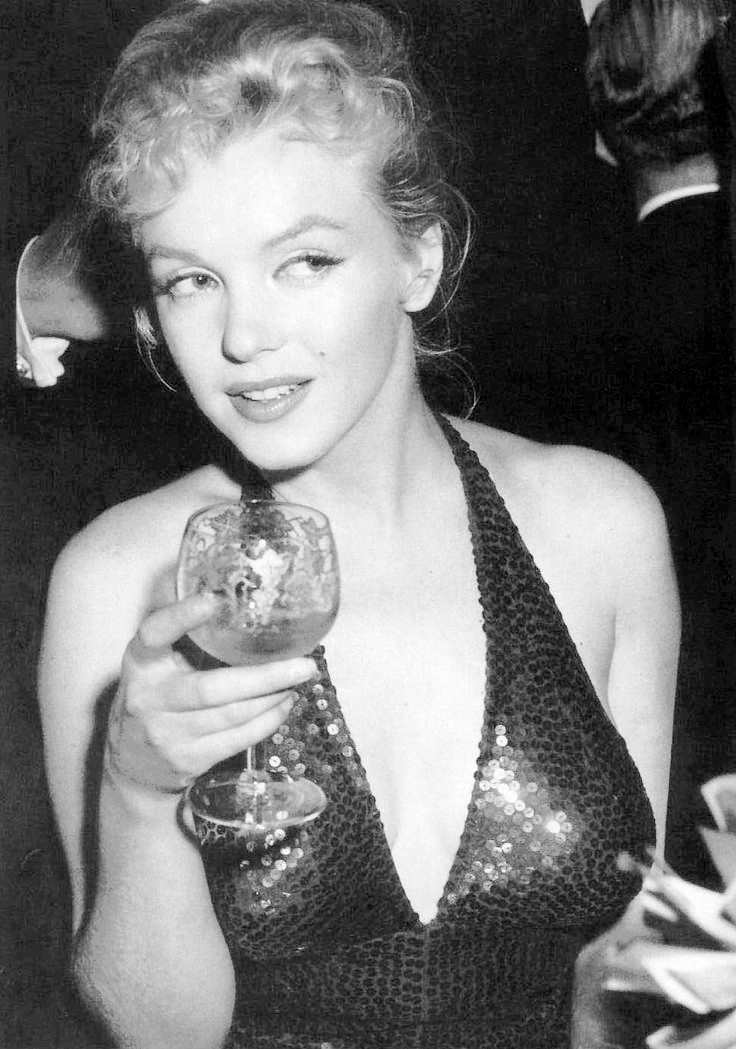
Marilyn Monroe would have turned 100 on June 1, and institutions worldwide are marking her centennial with exhibitions. The National Portrait Gallery in London opens “Marilyn Monroe: A Portrait” on June 4, featuring works by Andy Warhol, Cecil Beaton, and Richard Avedon alongside her personal effects. The Academy Museum in Los Angeles presents hundreds of posters, photographs, letters, and costumes, while the Cinémathèque Française in Paris runs a film retrospective through June 12. The article also surveys the best and worst cultural works Monroe inspired, including Joyce Carol Oates’s novel *Blonde*, Gloria Steinem’s *Marilyn Monroe*, and Warhol’s iconic “Marilyn” series.

$102 Million Louvre Heist Is Getting the Film Treatment

A feature film is in development about the October 2025 Louvre heist, in which two thieves disguised themselves, smashed into the museum, and stole eight historic jewels worth an estimated €88 million ($102 million) in under eight minutes. Paris-based production company Iconoclast has acquired the rights to the book "A Grab at the Louvre" by journalists Jean-Michel Décugis, Jérémie Pham-Le, and Nicolas Torrent, and French director Romain Gavras is attached to helm the project, which could hit theaters in 2028. A separate documentary series by an anonymous British producer is also in the works.

How Garry Trudeau’s Doonesbury cartoons captured America: ‘One of our nation’s greatest journalists’

A new biography titled "Trudeau & Doonesbury: The Cartoonist Who Turned the News into Art" by Joshua Kendall explores the life and career of Garry Trudeau, creator of the long-running comic strip Doonesbury. Published on Tuesday, the book is the first major biography of Trudeau, who won a Pulitzer Prize for editorial cartooning and whose characters age and evolve over 56 years, unlike those in other iconic strips. Kendall, a Yale alumnus, conducted original interviews and examined thousands of archival documents, though Trudeau—known for his reclusive nature—only agreed to limited email exchanges and some interviews, making the book unauthorized.