filter_list Showing 10 results for "Joan Miró" close Clear
search
dashboard All 137 trending_up market 48museum exhibitions 47article news 11article culture 10person people 5rate_review review 4article local 4candle obituary 4gavel restitution 2article policy 2
date_range Range Today This Week This Month All
Subscribe

art how to start art collection advice

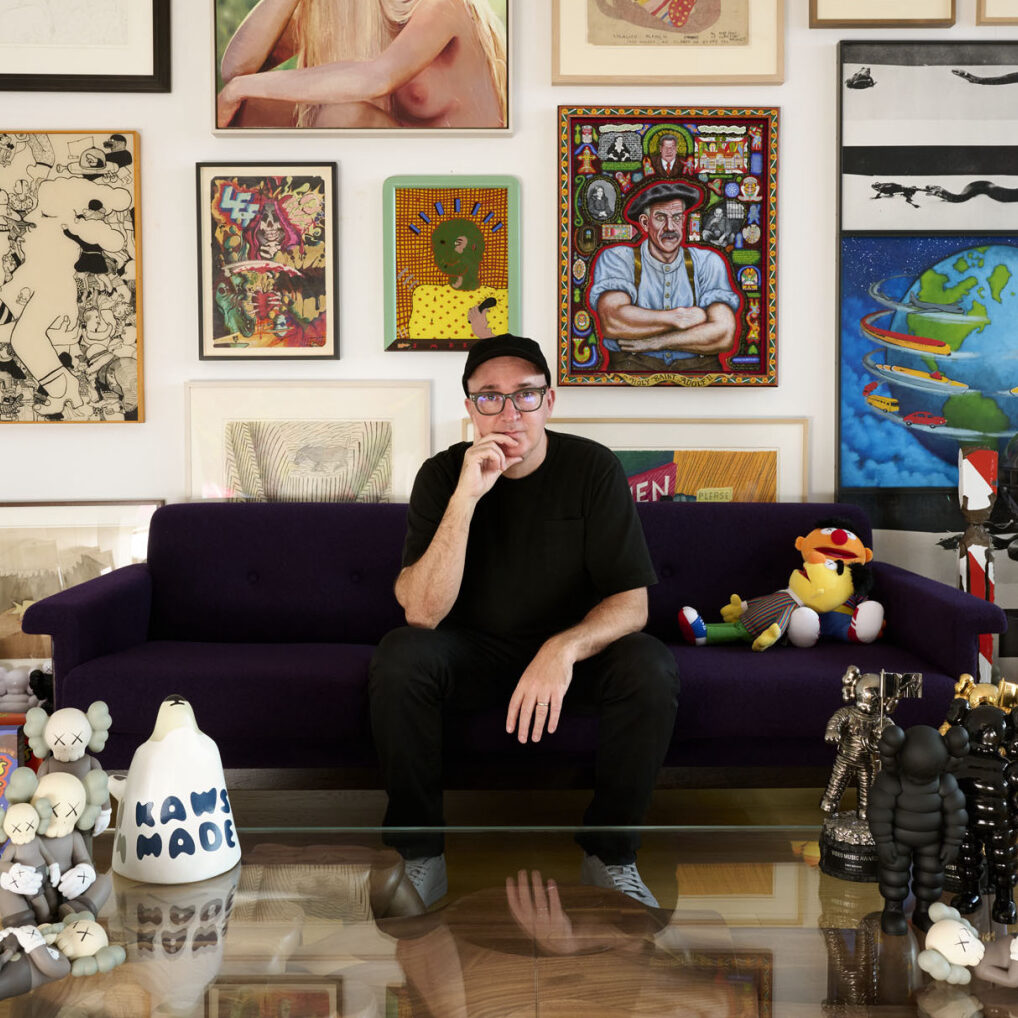
Cultured magazine profiles 10 art collectors, sharing the stories of their first acquisitions. The article features collectors such as Miami real estate developer Craig Robins, hotelier Steve Wilson, Allison Sarofim, Brandon John Harrington, James Frey, and Rodrigo Padilla, recounting how they began their collections—from a Dalí sketch and a Matisse drawing to an Andy Warhol portrait and a late-night Instagram purchase. Each narrative highlights the personal, often serendipitous moments that sparked a lifelong passion for art.
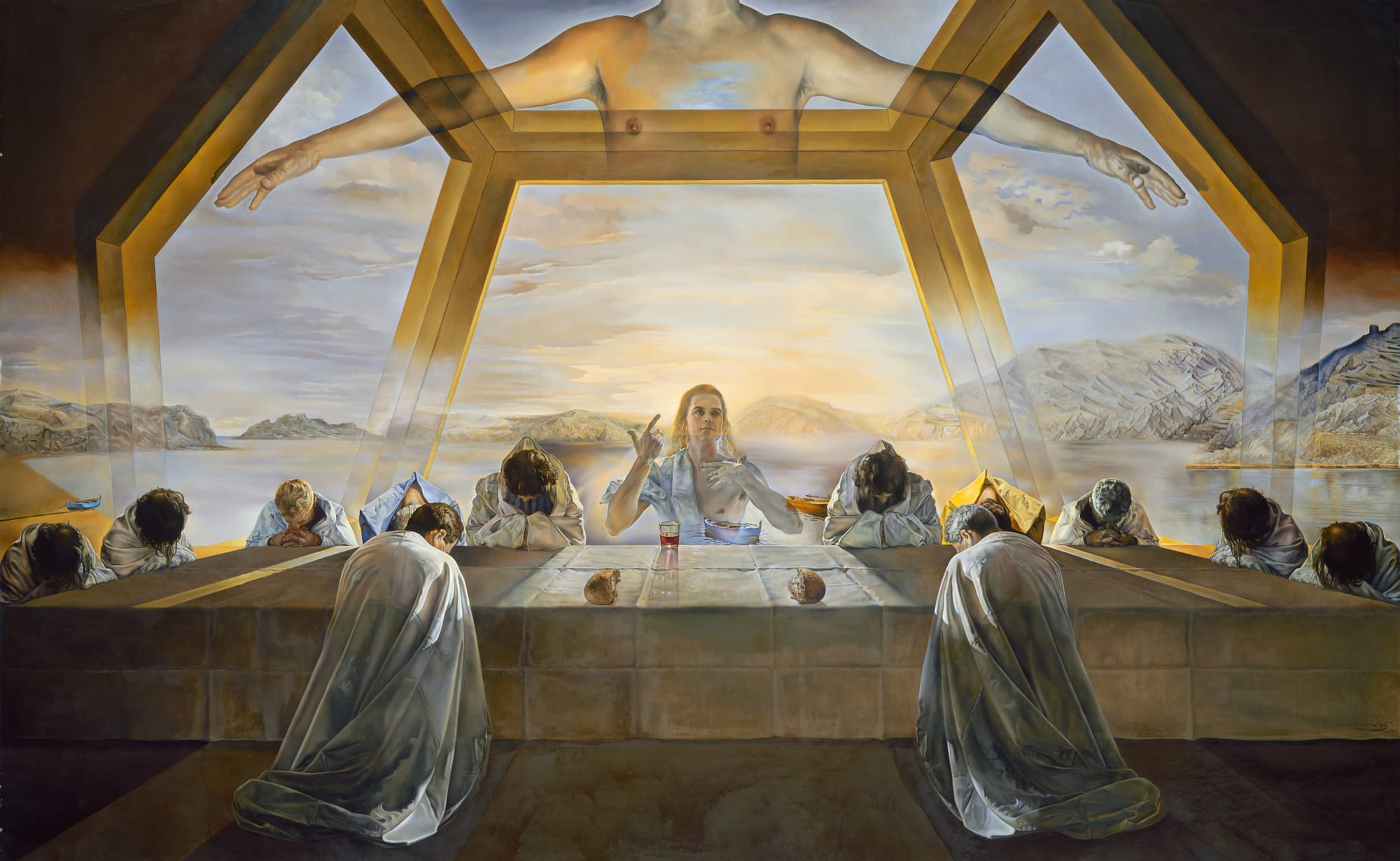
Salvador Dalí’s Frustrating Vision of the Divine

A feature article examines Salvador Dalí's controversial religious painting "Christ of Saint John of the Cross" (1951), which was physically attacked by vandals on two separate occasions—once with a rock in 1961 and later with an air rifle. The painting, part of Dalí's "Nuclear Mysticism" phase, depicts a floating, unblemished Christ from an aerial perspective, based on a drawing by the mystic St. John of the Cross and modeled by a Hollywood stunt double.

In Galerie Sardine, a New Idea of What the Art Gallery Can Be

Artist Joe Bradley and his wife Valentina Akerman, neither of whom had run an art gallery before, opened Galerie Sardine in a 1701 farmhouse on Main Street in Amagansett, Long Island. The gallery, named after a small fish to convey modesty and portability, attracted crowds of local and visiting art lovers, including prominent dealer Larry Gagosian. The article profiles the couple's backgrounds—Akerman, an architect and former art director from Colombia, and Bradley, a painter who rose to prominence with a solo show at MoMA PS1 in 2006 and now shows with David Zwirner.

New book digs into the little-known gallery that brought Modern art to America

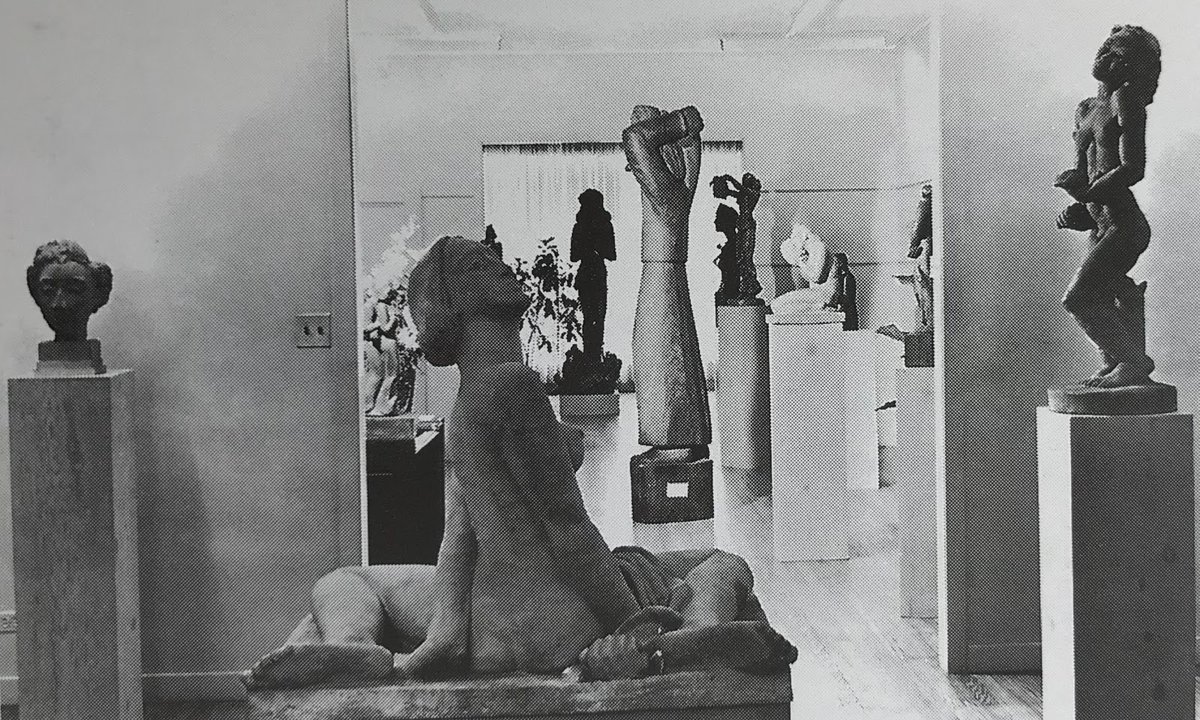
Researcher Julia May Boddewyn has published a new book, 'The Valentine Gallery: The Forgotten Story of Valentine Dudensing, Matisse, Picasso, and the US Market for Modern Art (1926-1947)', which unearths the history of a pivotal but overlooked New York gallery. Founded a century ago, the F. Valentine Dudensing Gallery was responsible for introducing European Modernism to America, hosting the first US solo shows for icons like Joan Miró and Piet Mondrian, and organizing the American debut of Picasso’s 'Guernica'.

art collector questionnaire negotiations acquisition

CULTURED magazine asked art collectors to share their strangest negotiation experiences with artists or dealers. Responses range from a late-night studio sale in a dark East Atlanta alleyway to accidentally bidding on a second impression of a Picasso etching at auction. Other tales include haggling over a borrowed frame after a Christie's purchase, a dealer insisting the artwork be displayed in a specific room, and acquiring a Rick Lowe painting sight unseen from Gagosian after seeing it at the Venice Biennale. The survey reveals the quirky, human side of art transactions often hidden behind market mythology.

eureka max ernst grattage technique

The article explores how German Surrealist Max Ernst developed the techniques of frottage and grattage in the mid-1920s. Frottage—rubbing paper over textured surfaces like floorboards, leaves, and netting—allowed Ernst to create spontaneous, unconscious imagery, culminating in his 1926 publication *Natural History*. He later adapted the method to canvas as grattage, scraping layers of paint over textured materials to reveal abstract forms, drawing on influences from Leonardo da Vinci and memories of his childhood in the Rhineland.

Order and chaos in contemporary Israeli art

Basia Monka profiles three contemporary Israeli artists—Ariel Hacohen, Jessica Moritz, and others—who, despite diverse backgrounds and mediums, share a common drive to explore order and chaos through repetition in their work. Hacohen, a 2024 Rappaport Prize laureate, uses photography, video, and sculpture to blend archaeology, history, and memory, with current exhibitions at the Haifa Museum of Art and Tel Aviv Museum of Art. The article presents each artist's answers to three questions about inspiration, the definition of art, and what makes their work unique.

Ten essential works of art to see on the French Riviera

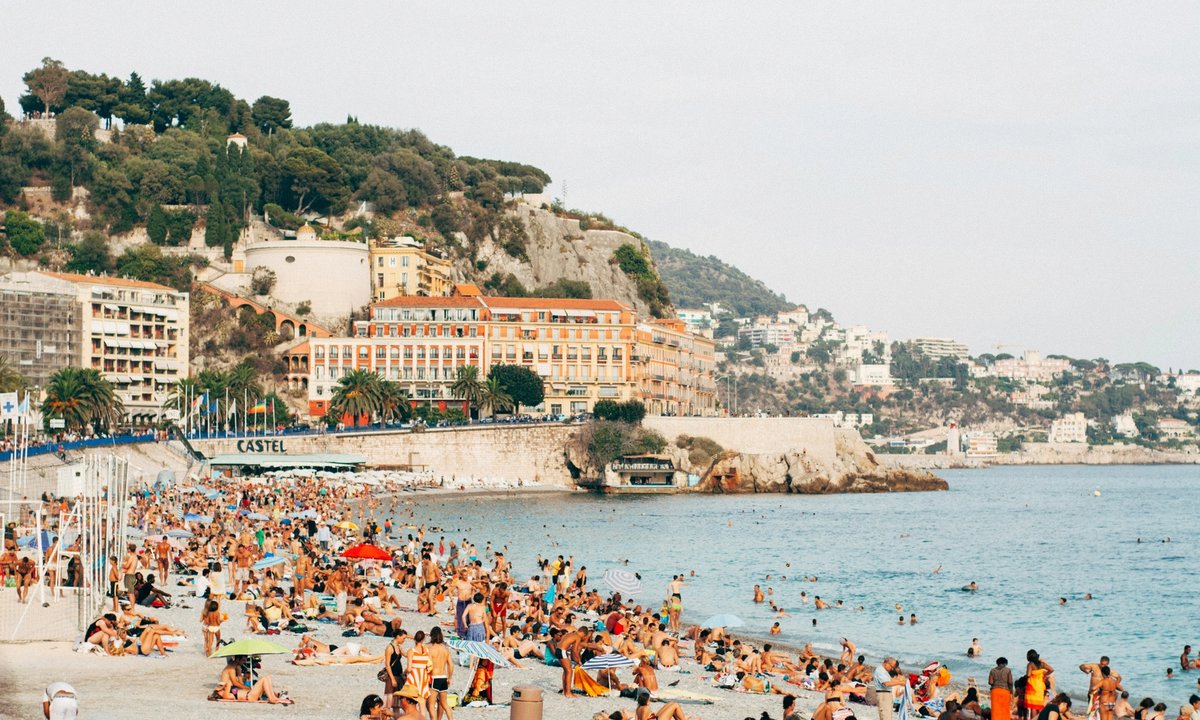
The article highlights ten essential artworks to see on the French Riviera, tracing the region's artistic heritage from the 19th century to the present. It features works by Paul Signac, Henri Matisse, Ludovico Brea, and others, housed in museums such as the Musée de l'Annonciade in Saint-Tropez and the Musée Matisse in Nice, with historical context on how artists like Renoir, Picasso, and Chagall were drawn to the area's light and atmosphere.

From an Artist to His Dealer

D’un artiste à son marchand

A new book titled "Miró-Loeb. Correspondance. 1926-1936" has been published by Éditions Norma, presenting the previously unpublished correspondence between Spanish painter Joan Miró and his Parisian dealer Pierre Loeb from 1926 to 1936. The volume includes photographs, reproductions of artworks, an illustrated record of Miró's exhibitions at Galerie Pierre, a prologue by art historian Joan Punyet Miró (the artist's grandson), and contributions from Albert Loeb (Pierre's son) and Sonia Loeb (his granddaughter), contextualizing a decade of exchanges amid cultural ferment and rising tensions. The book also features sparser letters from 1945 until Loeb's death in 1963, tracing the evolution of their relationship.

Comrades in art: meet the artists who fought against fascism

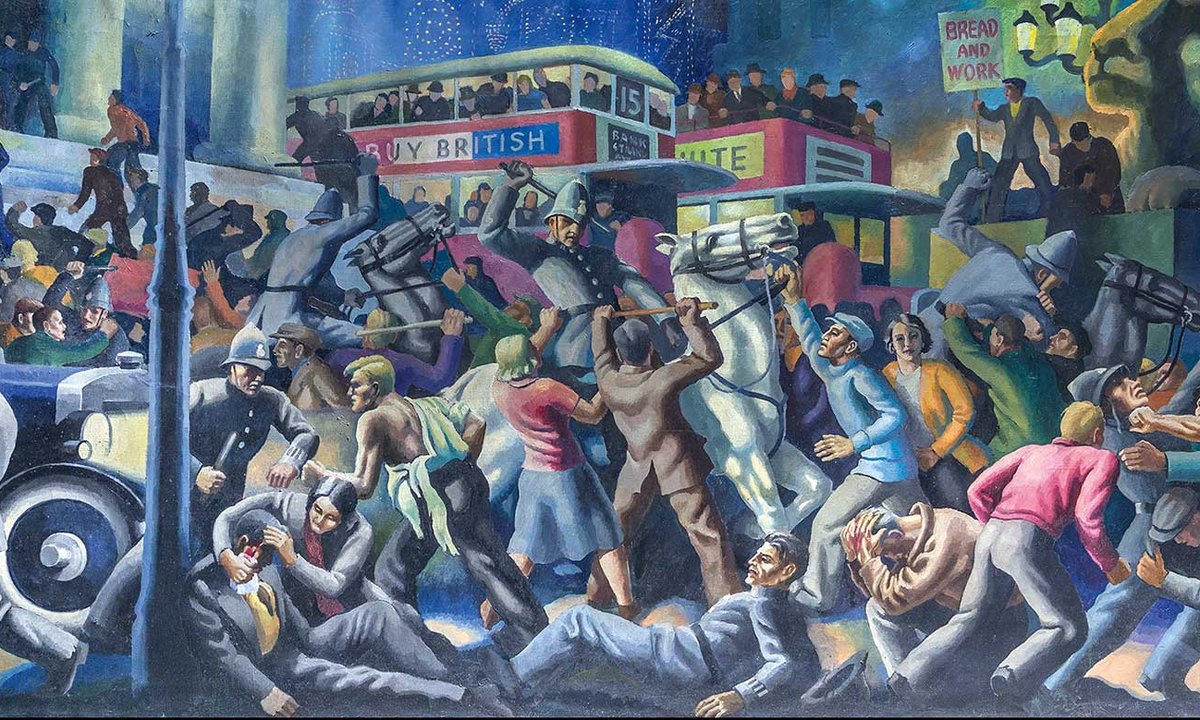
Andy Friend's book "Comrades in Art" chronicles the founding and first decade of the Artists International Association (AIA), a radical union of artists established in London in the 1930s. The AIA, born from a belief in art's power to revolutionize society, grew from a small group of mostly underemployed communist-affiliated commercial artists into a popular front against fascism and war, eventually including over 1,000 members such as Henry Moore and Paul Nash. The book focuses on lesser-known figures like Felicia Browne, the first British female combatant killed in the Spanish Civil War.