filter_list Showing 11 results for "Willem De Kooning" close Clear
search
dashboard All 188 museum exhibitions 80trending_up market 64article culture 11article news 10candle obituary 9article local 6rate_review review 4person people 3article policy 1
date_range Range Today This Week This Month All
Subscribe

How the New Deal Treated Art as Essential to Democracy

The United States government transformed the role of the artist during the Great Depression by treating art as a vital public resource rather than a private luxury. Between 1933 and 1943, New Deal programs like the Public Works of Art Project (PWAP) commissioned hundreds of thousands of works for schools, libraries, and hospitals, providing 'plumbers' wages' to struggling creators. This federal patronage supported a generation of then-unknown figures, including Jackson Pollock, Mark Rothko, and Alice Neel, while focusing on the 'American scene' to make culture accessible to the general public.

art bites robert rauschenberg erased de kooning drawing

American Pop artist Robert Rauschenberg created his controversial work *Erased de Kooning Drawing* (1953) by taking a drawing from Abstract Expressionist legend Willem de Kooning and erasing almost all of its marks. Rauschenberg, then 28, had recently returned to New York after studies at Black Mountain College and the Art Students League. He convinced de Kooning to donate a drawing for the project with a bottle of Jack Daniels, and de Kooning insisted it be a work he would miss. The erasing took about a month and wore down roughly 40 erasers. The finished piece, framed in a traditional gilded frame and inscribed by Jasper Johns, is now held by the San Francisco Museum of Modern Art (SFMOMA), which used infrared technology in 2010 to reveal traces of de Kooning's original charcoal-and-pencil figures.

7 Contemporary Artists to Follow If You Like Cecily Brown

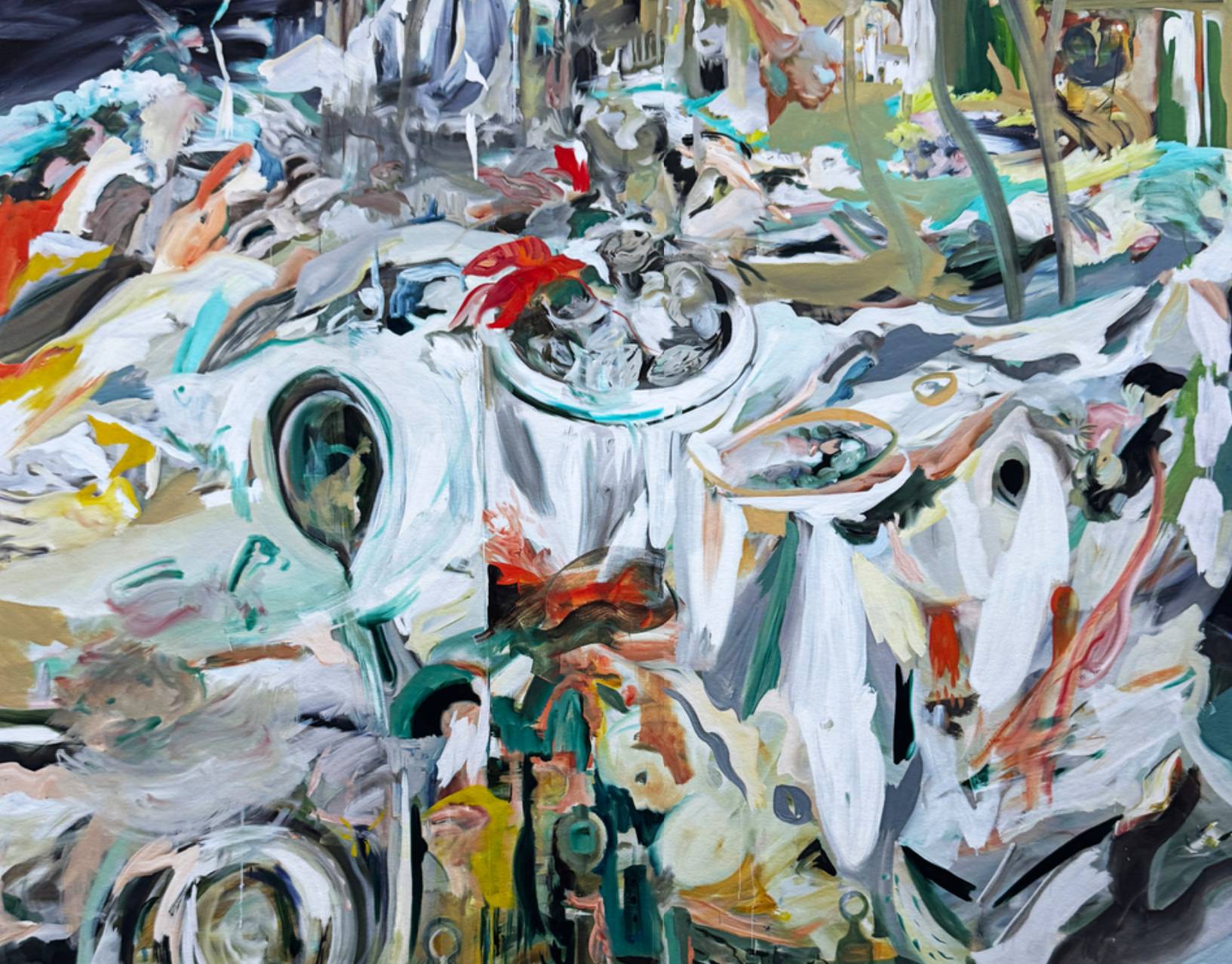
The article presents a curated list of seven contemporary artists whose work shares aesthetic or thematic connections with the painter Cecily Brown. It highlights artists like Jenna Gribbon, known for intimate, luminous portraits; Issy Wood, who blends Old Master techniques with contemporary malaise; and others such as Flora Yukhnovich, Doron Langberg, Louis Fratino, Maia Cruz Palileo, and Somaya Critchlow, each exploring figuration, sensuality, and painterly abstraction in distinct ways.

All we want for Christmas: The Art Newspaper 2025 gift guide

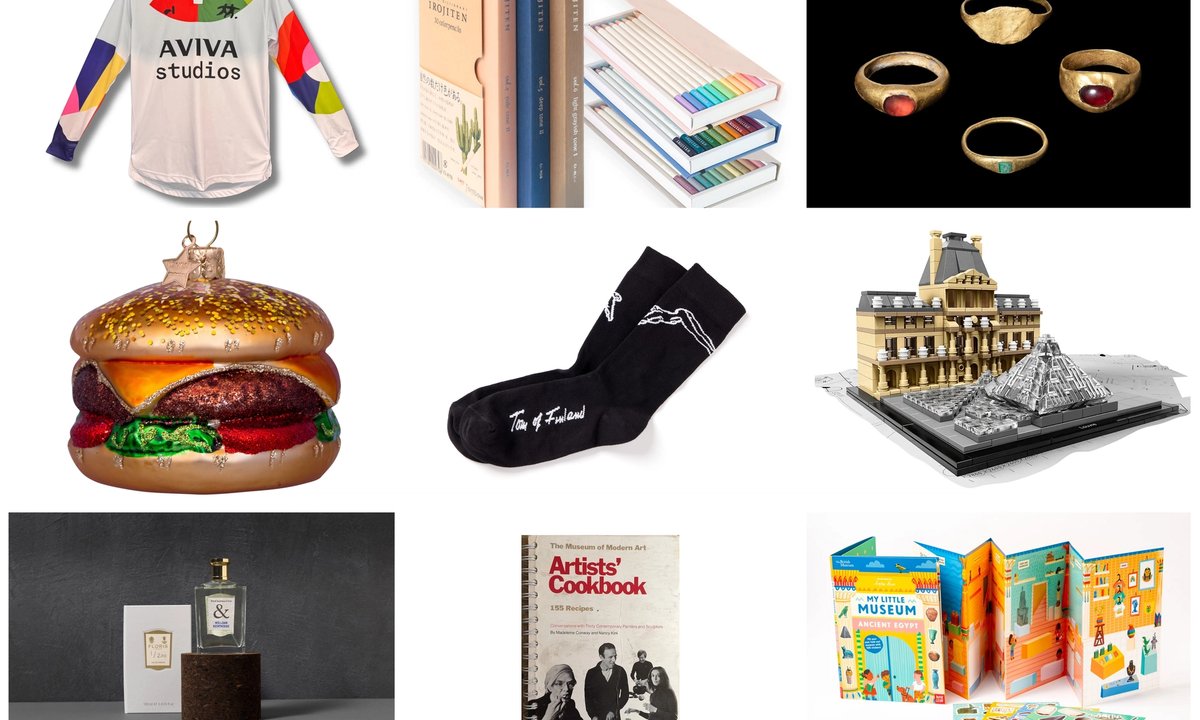
The Art Newspaper has published its 2025 Christmas gift guide, featuring a curated selection of art-related presents. Suggestions include art supplies from London's historic L. Cornelissen & Son, Japanese Irojiten color pencils, and cookbooks like "The Kitchen Studio: Culinary Creations by Artists" and the out-of-print "The Museum of Modern Art Artists' Cookbook." The guide also includes fantasy gift lists from Frieze and Art UK, with items such as Alexander Calder playing cards and a Tom of Finland cushion from House of Voltaire, alongside more unusual ideas like a sponsorship deal for a Victorian loo or a Lego Louvre heist set.

What does winning an arts prize really mean?

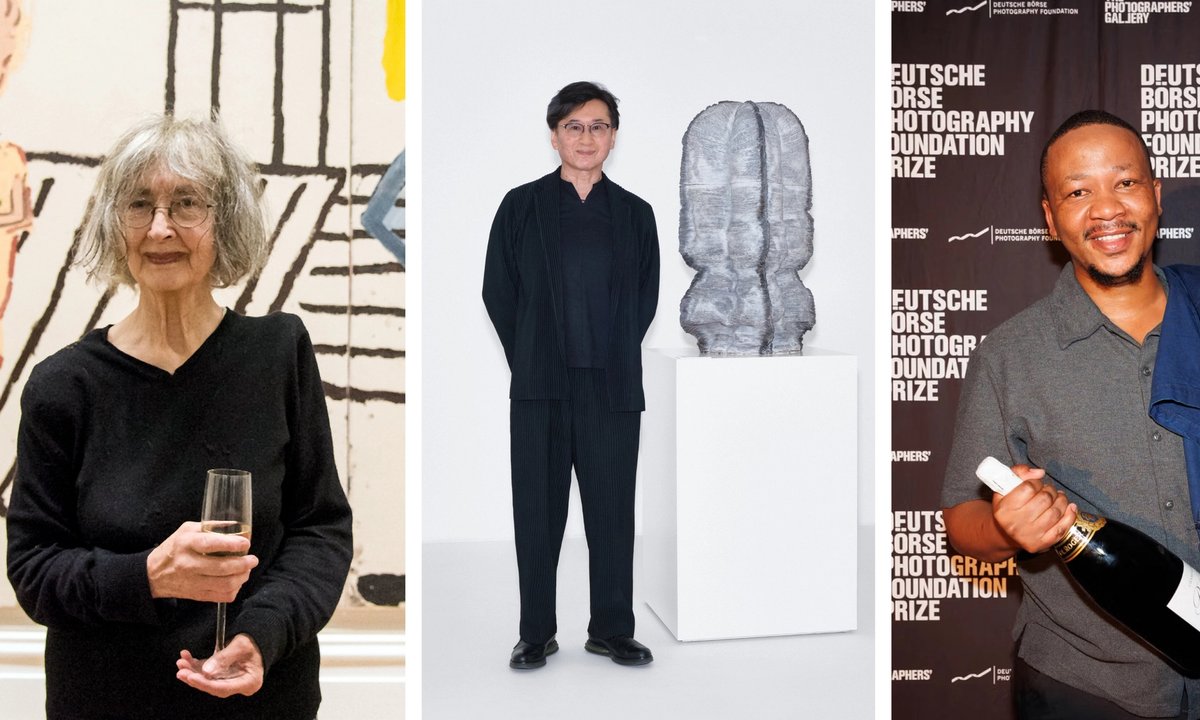
The article examines the history and impact of major art prizes, including the Turner Prize (established 1984), the John Moores Painting Prize (nearly 70 years old), and the Loewe Foundation Craft Prize (annual award). It traces the origins of art prizes back to 19th-century Paris salons and highlights how these awards provide cash, recognition, and career acceleration for artists. Specific examples include Rose Wylie, who won the John Moores Prize at age 80 and later joined David Zwirner and secured a Royal Academy solo show, and Samuel Ross, who used his Hublot Design Prize winnings to start his own company.

Expanded Vocabulary: Revisiting Deborah Kass’ Studio

The article recounts the author's visit to Deborah Kass's Brooklyn studio, which she shares with her wife, artist Patricia Cronin. The visit was prompted by logistical issues related to the author's exhibition "Social Minimalism" (2025). During the visit, the author and Kass revisited themes central to Kass's work over three decades: the exclusion of women from art history, Jewish identity, queer voice, lesbian subjectivity, and postwar American art. The conversation also touched on Kass's series including the Warhol Project, Feel Good Paintings, No Kidding, and the large painting/sculpture installation "Everybody" (2019), which was recently featured in a conversation between Kass and Titus Kaphar in Interview magazine.

There Has Never Been an Apolitical Venice Biennale

The Venice Biennale, with its national pavilion structure, has always been a platform for political expression and soft power, a reality evident from its early 20th-century origins. Contemporary critic Arturo Lancellotti's 1909 review of the German and British pavilions was steeped in geopolitical context, revealing how national artistic displays were interpreted through the lens of imperial power and military alliances.

These Are the 44 Best Art Museums in the U.S. Right Now

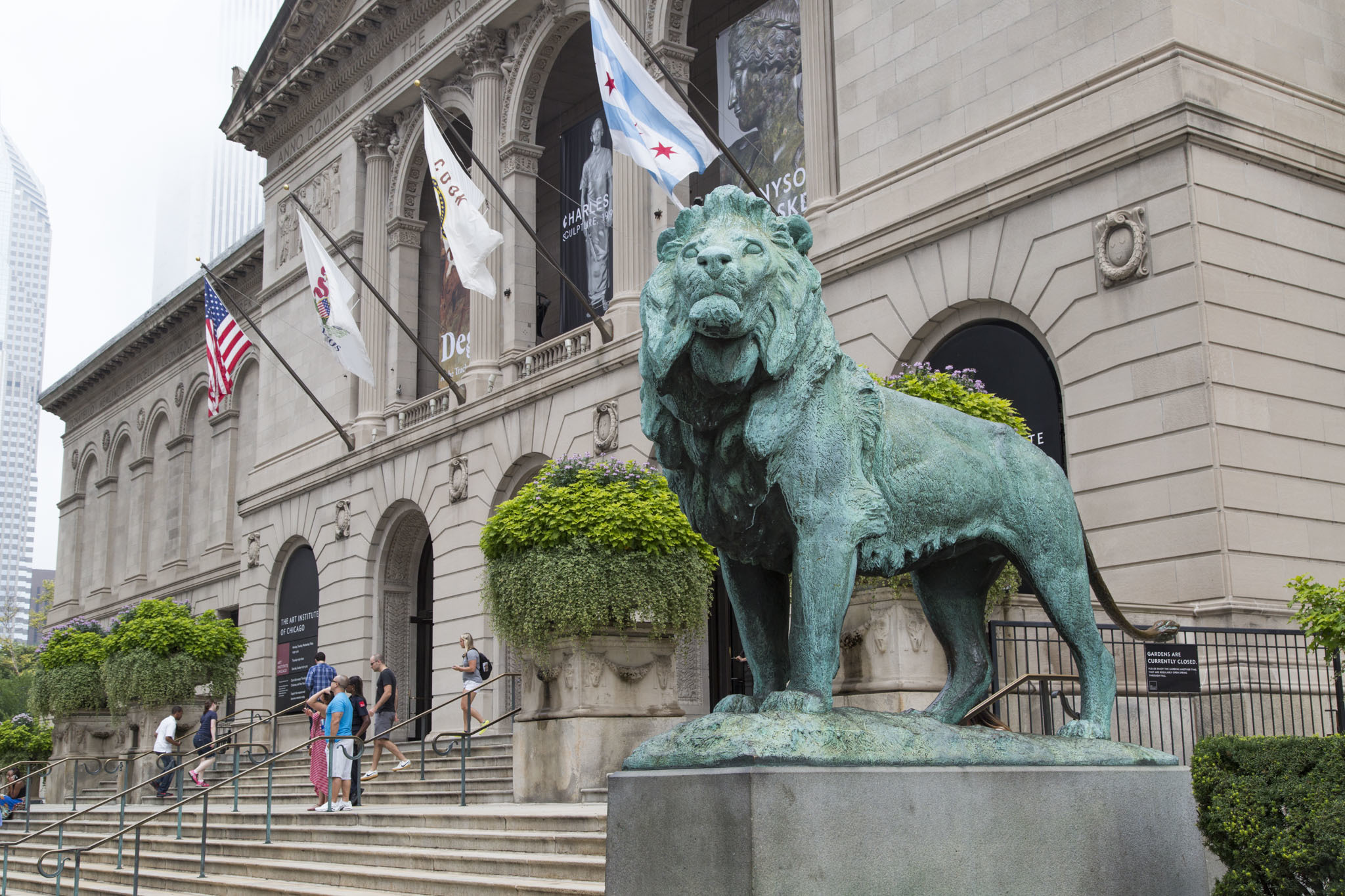
Time Out has published a list of the 44 best art museums in the U.S., ranking institutions like the Museum of Modern Art (MoMA), the Whitney Museum of American Art, and the Metropolitan Museum of Art (The Met) at the top. The article highlights each museum's collection highlights, architectural features, and visitor tips, with prices and recommendations for immersive experiences.

Who Owns the Megayachts Docked Outside the Venice Biennale?

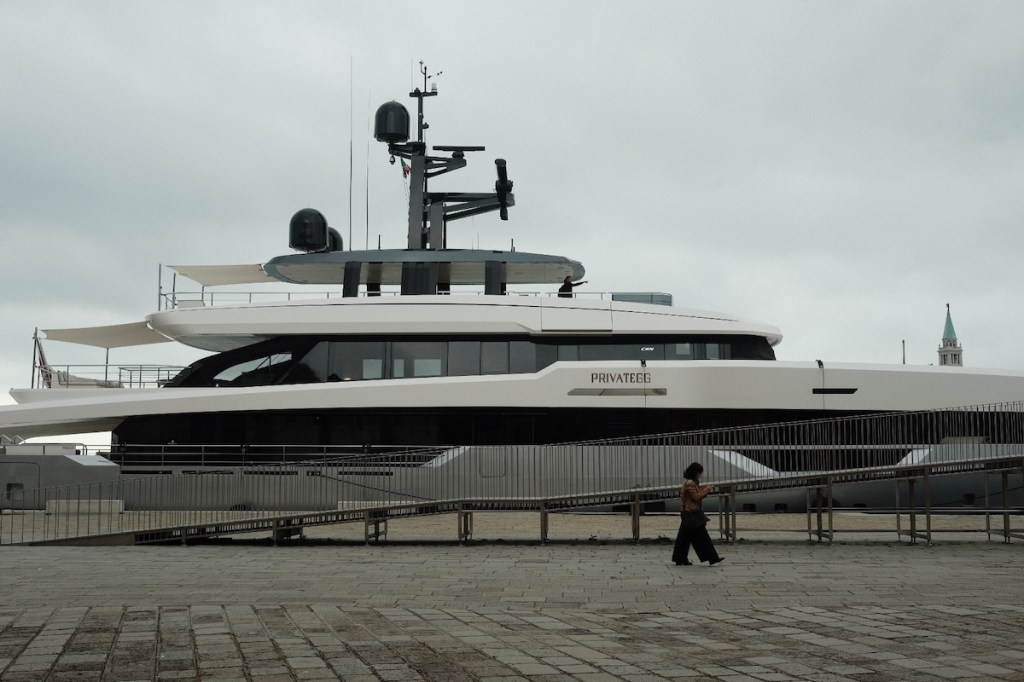
The article examines the megayachts docked outside the Venice Biennale, focusing on the 170-foot vessel 'Private GG' owned by Giancarlo Giammetti, cofounder of the Valentino fashion house. Giammetti, a serious art collector, was in Venice for the Biennale opening, posting photos of artworks and a dinner with actress Salma Hayek and her husband François-Henri Pinault, a major art collector. The yacht, built in 2022 by CRN, features luxury amenities including a jacuzzi, cinema saloon, and beach club.

jackson pollock children drip patterns study

A new study published in *Frontiers of Physics* analyzed paintings created during a 2003 'Dripfest' experiment, where children aged 4–6 and adults aged 18–25 were asked to splatter paint like Jackson Pollock. Using fractal and lacunarity analysis, researchers found that adults produced denser, more intricate patterns, while children's paintings were more clustered and smaller in scale, likely due to differences in biomechanical balance and coordination. Notably, Pollock's own fractal values fell near the children's range, suggesting his physical limitations influenced his technique.

literature ann rower lee and elaine autofiction

Ann Rower's novel "Lee & Elaine," originally published in 2002 by Serpent's Tail, is being reissued next month by Semiotext(e). The autofictional work follows a narrator—a lightly fictionalized version of Rower—who, after learning of the death of her friend, artist Hannah Wilke, becomes obsessed with the graves of Lee Krasner and Elaine de Kooning at Green River Cemetery. The narrator imagines these two women, known primarily as wives of famous male painters, as secret lovers or comrades, and attempts to write a joint biography that doubles as a journey of self-discovery.